Finland has officially lifted its long-standing ban on nuclear weapons on its soil, according to Politico EU, marking one of the most consequential shifts in Nordic defense policy in decades. The move follows Finland’s 2023 accession to NATO and reflects a broader rethinking of European security as Russia’s war against Ukraine enters its fourth year.
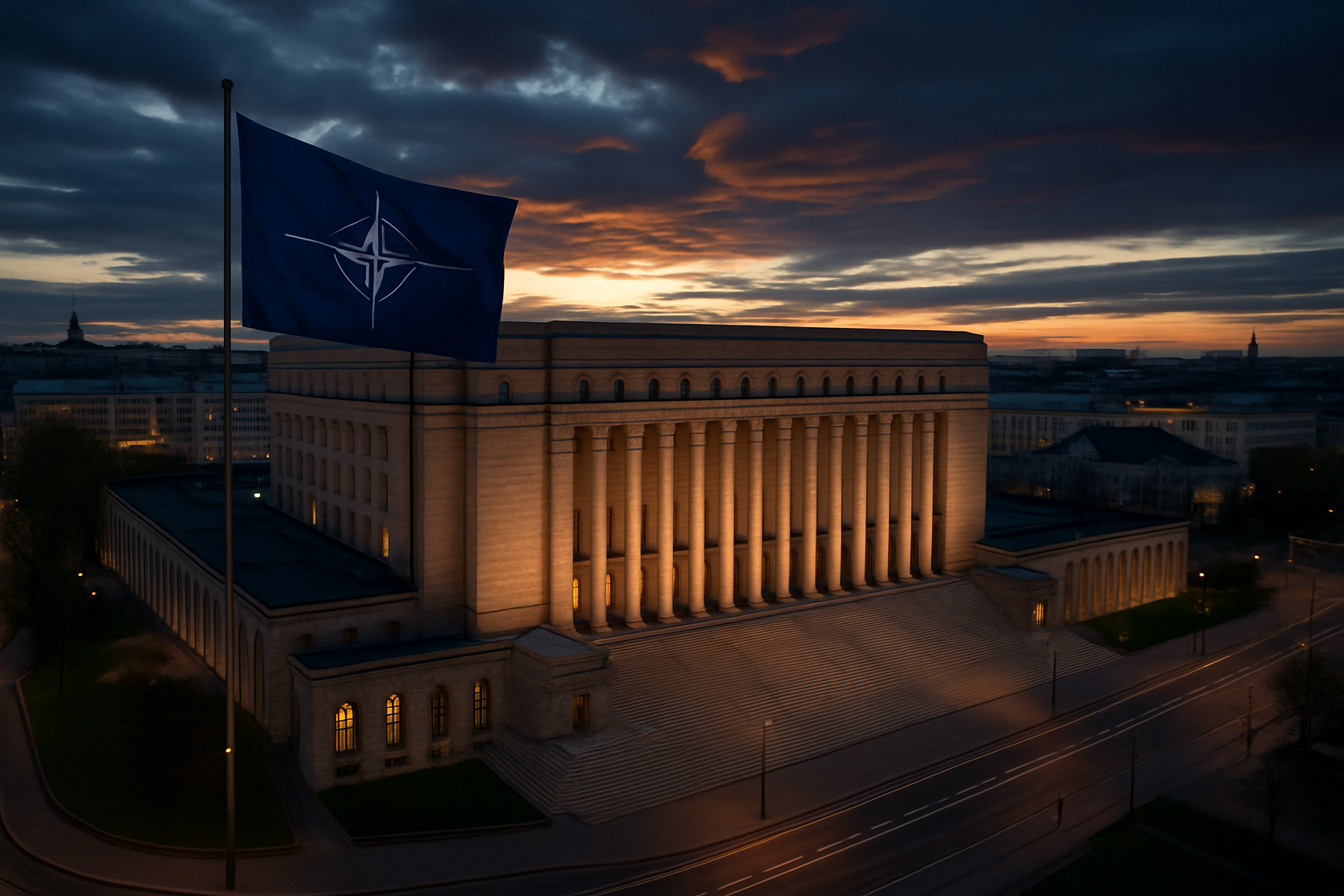
The non-obvious detail buried beneath the headline: Finland’s original ban was not enshrined in NATO membership terms — it was a unilateral domestic commitment the country chose to maintain even after joining the alliance. Tearing it up required a deliberate political decision by the Finnish government, not simply a change in alliance obligations.
What Finland’s Nuclear Weapons Ban Actually Was
For decades, Finland kept nuclear weapons off its territory as a cornerstone of its carefully managed relationship with Russia. Even as a NATO member, Helsinki initially signaled it would continue that tradition. The ban was never a formal treaty obligation — it was a political posture, one that many Finnish officials now argue is no longer tenable given the security environment in 2026.
The policy reversal clears the legal path for NATO nuclear sharing arrangements to potentially extend to Finnish territory. That does not mean warheads are arriving tomorrow. It means Finland has removed the domestic legal obstacle that would have blocked such a discussion entirely.
Why Finland’s NATO Security Policy Is Changing Now
The timing is directly tied to Russia’s ongoing aggression in Ukraine. Finland shares an 830-mile border with Russia — the longest of any EU member state — and Finnish officials have consistently cited that geography as central to their defense calculus. Since joining NATO in April 2023, Helsinki has moved quickly to integrate with alliance structures, increase defense spending, and align its posture with Baltic and Nordic partners.
European nuclear deterrence has become a live conversation across the continent in 2026. France has floated extending its nuclear umbrella to EU partners. Germany reversed its own long-held positions on defense spending. Against that backdrop, Finland’s reversal reads less like an outlier and more like one piece of a wider continental recalibration.
Nordic defense cooperation has also deepened significantly since Sweden joined NATO in March 2024. Finland and Sweden now coordinate closely with Norway and Denmark, and all four countries have pushed for stronger alliance commitments in the High North — a region that has grown strategically critical as Arctic access becomes contested.
What Nuclear Sharing Actually Means for Finland
NATO’s nuclear sharing framework, most visibly practiced by Belgium, Germany, Italy, the Netherlands, and Turkey, involves the United States storing nuclear weapons on allied soil under a dual-key arrangement. The host nation’s aircraft can be certified to deliver them. Lifting the Finland nuclear weapons ban does not automatically enroll Helsinki in that program — it simply removes the domestic veto that would have blocked any such negotiation.
Finnish officials have been careful not to announce specific operational plans. The shift is, for now, a legal and political signal: Finland is no longer ruling anything out in its NATO security policy. That signal alone carries weight in Moscow, Brussels, and Washington.
The Domestic Politics Behind the Decision
The Finnish parliament backed the change with support from the governing coalition. Opposition was present but did not command a majority. Public opinion in Finland has shifted markedly since 2022 — surveys conducted in the lead-up to NATO accession showed a Finnish population that had moved from historic neutrality to strong support for alliance membership in a matter of months, one of the fastest public opinion swings on a major security question recorded in modern European polling.
That shift in public sentiment gave politicians the cover — and arguably the mandate — to make moves that would have been politically unthinkable five years ago. Dropping the nuclear ban is the latest step in that transformation.
What Happens Next
Watch for two things. First, whether NATO formally opens discussions with Finland about nuclear sharing eligibility — that process is lengthy, technical, and not publicly announced in its early stages. Second, whether Finland’s move prompts similar reviews in other alliance members that have maintained informal self-imposed restrictions, particularly in Central and Eastern Europe.
Russia is certain to respond rhetorically. Moscow has repeatedly warned that NATO expansion and nuclear posturing near its borders constitute red lines. Western officials and analysts have largely dismissed those warnings as leverage tactics, particularly given Russia’s conduct in Ukraine — but the warnings add friction to an already tense security environment.
For context on how economic pressure intersects with this evolving security picture, the recent market volatility tied to Fed policy shifts underscores how geopolitical risk is feeding into financial uncertainty across the West. And Finland’s move comes during a summer already crowded with consequential news — from the 2026 World Cup to ongoing diplomatic maneuvering over Iran.
Finland’s decision will not be the last of its kind. Europe is rewriting its security assumptions in real time, and Helsinki just turned a significant page.