Communities across the United States are pushing back against a wave of new data center construction tied to the artificial intelligence boom, and a growing number of that pushback is ending in handcuffs. In recent months, ordinary residents, retirees, teachers, and local activists have been arrested at town halls, zoning hearings, and protests over proposed data centers, prompting civil liberties groups to warn that local governments are overreacting to peaceful dissent.
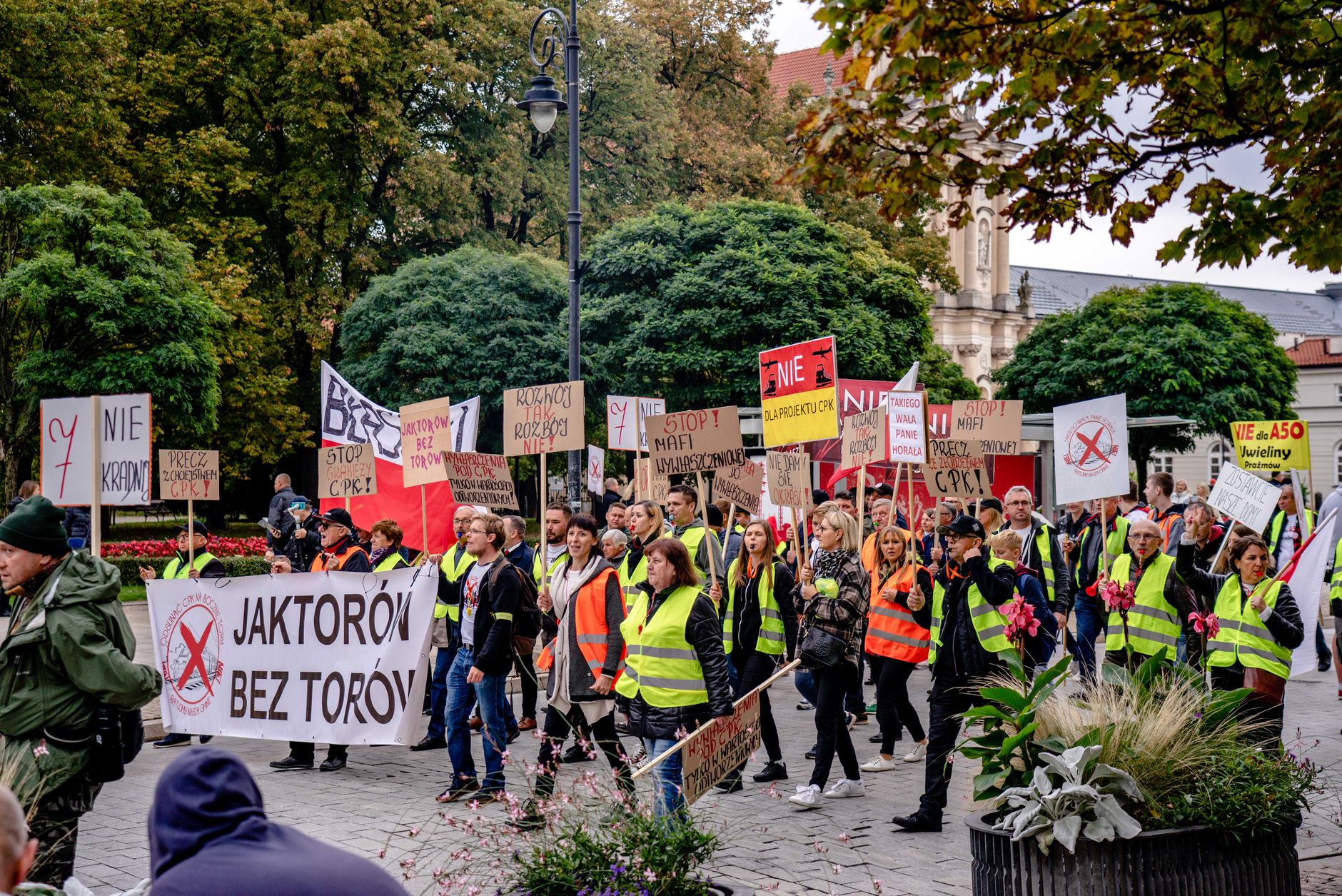
The arrests, which have occurred in multiple states, range from disorderly conduct and trespassing charges to detentions triggered by conduct as minor as applause during a public meeting. The pattern has drawn attention from legal observers who say it reflects the intensity of local resistance to a construction boom most residents never voted on.
A Building Boom Meets Local Resistance
Data centers, the massive server farms that power cloud computing and AI systems, have proliferated as tech companies race to expand capacity for generative AI tools. The facilities require enormous amounts of electricity and water, and many are proposed for suburban or rural areas near existing power infrastructure. That has put them on a collision course with residents worried about strained utility grids, rising electricity bills, noise from industrial cooling systems, and the loss of green space.
Local zoning boards and city councils, often unprepared for the scale and speed of these proposals, have become flashpoints. Meetings that once drew a handful of attendees are now packed with residents demanding answers about water usage, tax breaks, and environmental review. In several cases, officials have responded to the raised tempers by inviting police to remove or arrest attendees who violate meeting decorum rules, even when the conduct in question appears minor.
Arrested for Applauding
Two cases NarwhalTV has previously reported illustrate the trend. In one, a resident was arrested for clapping during a public meeting about a proposed data center, an act that officials said violated rules against audience disruptions. In another, a teacher was arrested for clapping in support of a speaker who opposed a data center project in her community.
Both incidents drew sharp criticism from free speech advocates, who argued that applause, a near-universal form of civic expression, should not be treated as grounds for arrest. Legal experts note that courts have historically given wide latitude to expressive conduct at public meetings, and that criminal charges for applause are unusual outside of the most disruptive circumstances.
Civil liberties attorneys say the common thread in these cases is not the severity of the conduct, but the political sensitivity of the topic: once a data center proposal becomes contentious, officials appear more willing to treat ordinary audience participation as a security threat.
Officials Defend Meeting Rules
Local officials and police departments involved in these incidents have generally defended their actions by pointing to standing rules governing public meeting conduct, arguing that decorum policies exist to keep proceedings orderly and prevent meetings from being disrupted or extended indefinitely. Some municipalities have cited concerns that raucous crowds could intimidate other speakers or board members, or that repeated interruptions could force meetings to be adjourned before all business is completed.
Critics counter that these justifications are frequently applied inconsistently, with enforcement escalating specifically around data center debates rather than other contentious local issues. They argue that the arrests have a chilling effect, discouraging residents from attending future meetings or speaking out at all.
A Broader Pattern of Friction
The data center arrests fit into a wider national conversation about how communities absorb the physical footprint of the AI economy. Utility regulators in several states have flagged concerns about data centers driving up electricity costs for ordinary ratepayers, while water-scarce regions have raised alarms about cooling systems that consume millions of gallons annually. Some local governments have offered generous tax incentives to attract these projects, only to face backlash from residents who feel excluded from the decision-making process.
Legal advocacy organizations, including chapters of the American Civil Liberties Union, have signaled interest in reviewing several of the arrest cases for potential First Amendment violations. Attorneys representing some of those arrested have argued that charges were filed selectively and that the underlying conduct, sitting, standing, or clapping in a public meeting, falls squarely within protected speech.
What Comes Next
As more data center proposals move through local approval processes nationwide, the tension between rapid industry expansion and community input shows little sign of easing. Whether courts ultimately side with the arrested residents or uphold municipal decorum rules could shape how local governments handle public dissent over infrastructure projects going forward.
For now, the arrests have become a rallying point for opponents of new data center construction, who argue that heavy-handed enforcement at public meetings only intensifies the very opposition officials are trying to contain.