A growing share of Americans now say students should be barred from using smartphones for the entire school day, not merely during class time, according to survey findings reported this week by Techspot and other outlets tracking public opinion on classroom technology. The shift marks a notable change from earlier polling, when most respondents favored restricting phones only during instructional periods while allowing use at lunch, between classes, or during free periods.
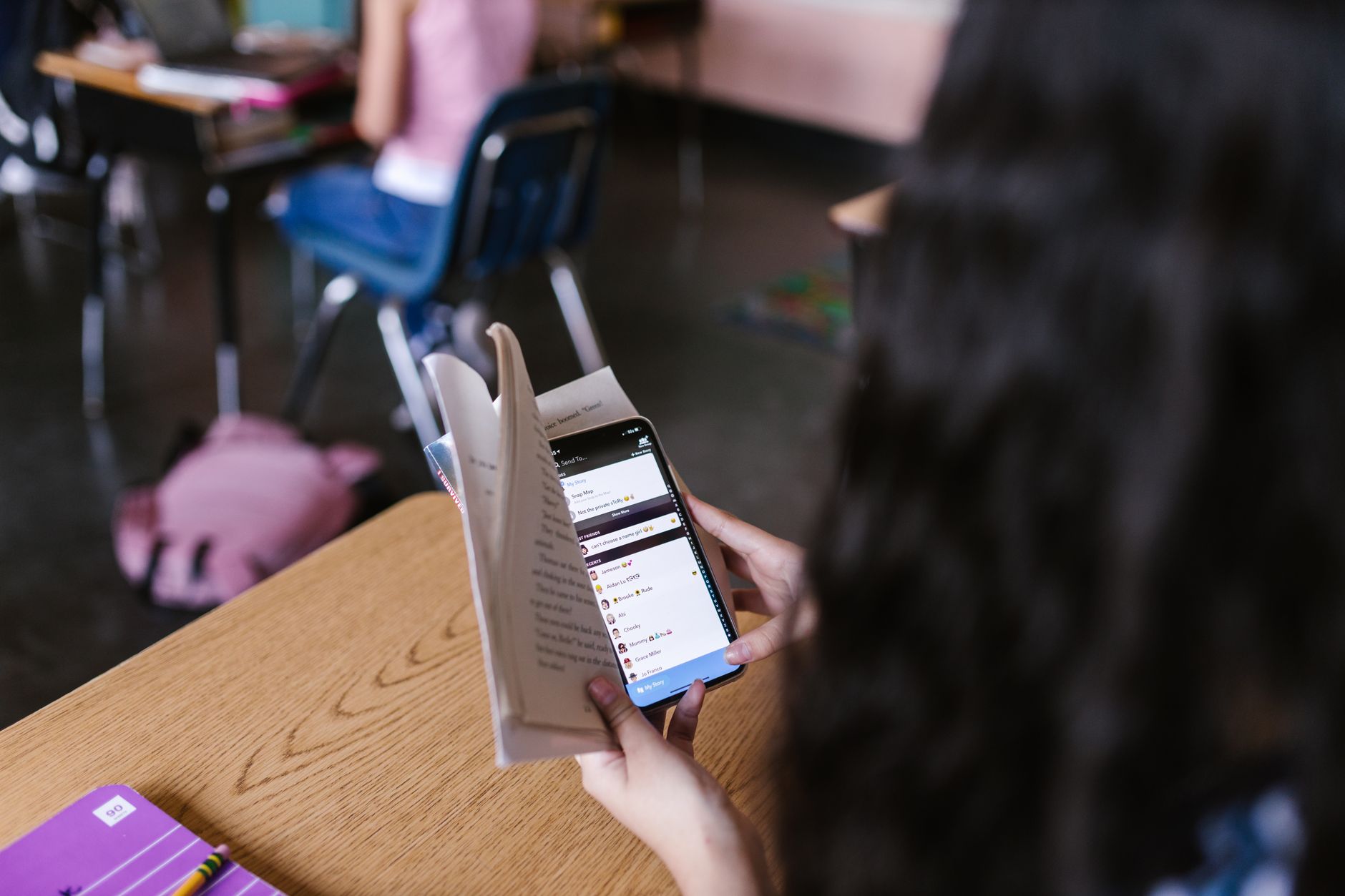
The trend arrives as school districts nationwide continue to grapple with how to manage devices that have become nearly universal among teenagers, and as a wave of state legislation has pushed phone-free policies from a fringe idea to mainstream practice.
A Shift in Public Opinion
For years, the dominant view among parents, educators, and the general public was that phones posed a problem mainly as a classroom distraction — something that could be solved by requiring students to silence or put away devices only while a teacher was actively instructing. The latest data suggests that consensus is eroding in favor of more comprehensive restrictions.
Survey respondents citing support for all-day bans point to concerns that extend beyond academic focus, including the role smartphones play in cyberbullying, social comparison, and anxiety among adolescents. Researchers and school administrators have increasingly argued that allowing phone access during unstructured time — hallways, lunchrooms, and study halls — undermines the benefits of restricting use during class, since students simply shift their scrolling and messaging to the gaps in the schedule.
Mental Health Concerns Driving the Debate
Public health researchers have spent much of the past several years warning about links between heavy smartphone and social media use and rising rates of anxiety and depression among teenagers. Surgeon General advisories and studies from child psychology researchers have been widely cited by advocates pushing for stricter school policies, and that body of research appears to be shaping public sentiment more broadly.
Educators who back all-day restrictions argue that a bell-to-bell ban, sometimes enforced with lockable pouches or centralized phone storage, removes the temptation and social pressure that come with having a device accessible at any moment during the school day. Districts that have already adopted such systems report anecdotal improvements in student socialization and reduced incidents of in-school bullying conducted over text or social apps.
States Moving Faster Than Public Opinion
Legislatures in a majority of states have already acted on the issue, either mandating or strongly encouraging phone-free policies in public schools. Florida, Louisiana, Indiana, and South Carolina were among the earlier adopters of statewide restrictions, and additional states have passed similar measures heading into the 2026-2027 school year. Many of these laws go further than simple classroom bans, requiring phones to be stored away — in a locker, pouch, or designated bin — from the first bell to the last.
That legislative momentum appears to be running slightly ahead of, or in step with, shifting public opinion, suggesting lawmakers have had political cover to pursue stricter rules even before a clear majority of the public endorsed the toughest version of the policy. Now that all-day bans command majority support in survey data, remaining holdout states and local districts may face less resistance in adopting similar rules.
Where Resistance Remains
Not everyone is on board. Some parents object to all-day restrictions on safety grounds, arguing they want to be able to reach their children immediately in the event of an emergency, a concern that has become more pronounced in the wake of school shootings and lockdown drills. Civil liberties advocates have also raised questions about enforcement, including how schools handle confiscated devices and what happens when students violate policies repeatedly.
Some teachers unions and school boards have pushed back on the logistics of full-day bans, citing the cost of pouch systems or storage lockers and the added burden on staff to enforce compliance during passing periods and lunch, when supervision is already stretched thin.
What Comes Next
With public opinion now trending toward stricter policies, more state legislatures and local school boards are expected to revisit their phone rules ahead of the new academic year. Districts that have piloted all-day bans over the past two years are likely to serve as test cases, providing data on attendance, discipline referrals, and academic performance that could further sway both lawmakers and parents.
The broader debate over how much access young people should have to smartphones and social media has also intersected with other recent controversies over technology and personal devices, including disputes over phone security features cited in federal cases and fights over AI-related legislation such as the lawsuit xAI filed against Minnesota over its AI “nudification” ban. As schools resume this month, phone policy is expected to remain one of the most closely watched flashpoints in education policy nationwide.
Whether the newfound majority support for all-day bans translates into uniform national policy remains uncertain, but the direction of both public opinion and state legislation points toward phones becoming an increasingly rare sight in American classrooms — and hallways.