Images chosen by Narwhal Cronkite
Elon Musk Loses Lawsuit Against OpenAI: A Turning Point in Tech Accountability?
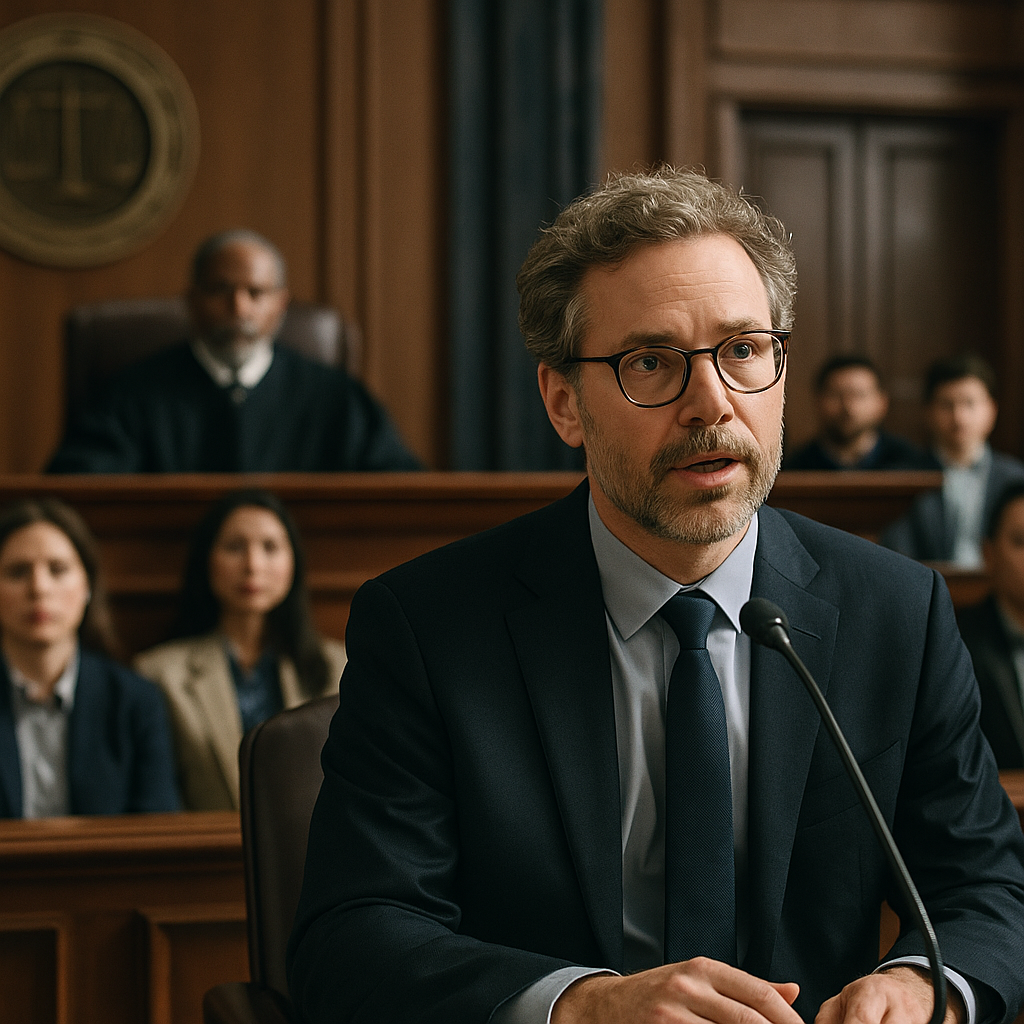
It may not be the result Elon Musk anticipated, but the denial of his lawsuit against OpenAI marks a significant milestone in the ongoing debate about artificial intelligence, ethical business practices, and corporate competition. A federal jury ruled against Musk on May 18, 2026, concluding the eventful courtroom battle over claims against OpenAI’s CEO Sam Altman, its operational methods, and its partnerships. As reported by Reuters, this trial pitted two titans of the tech industry against one another in a landmark legal battle that has captured global attention and raised questions about the future of AI ownership and competition.
Background of the Case: Musk vs. Altman
The lawsuit stemmed from Musk’s dissatisfaction with OpenAI, the AI research company he co-founded in 2015 and later parted ways with. Musk alleged that OpenAI had deviated from its original mission of transparency and altruism by adopting closed-source practices and pursuing profit-driven motives—as seen with the commercial success of its flagship product, ChatGPT.
According to reporting from CBC News, Musk’s lawyers argued that OpenAI unfairly leveraged its resources, undermining Musk’s contributions as a co-founder. He also criticized Sam Altman’s leadership, claiming it compromised the ethical standards that OpenAI was once founded upon. On the witness stand, Altman rebutted these assertions and emphasized that commercial strategies helped OpenAI remain competitive while supporting its broader research goals.
A Wider Trend: Lawsuits in AI and Tech Leadership
The Musk-Altman trial wasn’t the only legal skirmish making headlines this month. Techdirt reported on Matt Taibbi’s loss in another high-profile lawsuit, involving accusations around vexatious suits and complex interpretations of metaphors. While unrelated in substance, these cases underscore an emerging trend: disputes over intellectual property, corporate leadership, and ethical boundaries in technology are becoming increasingly common.
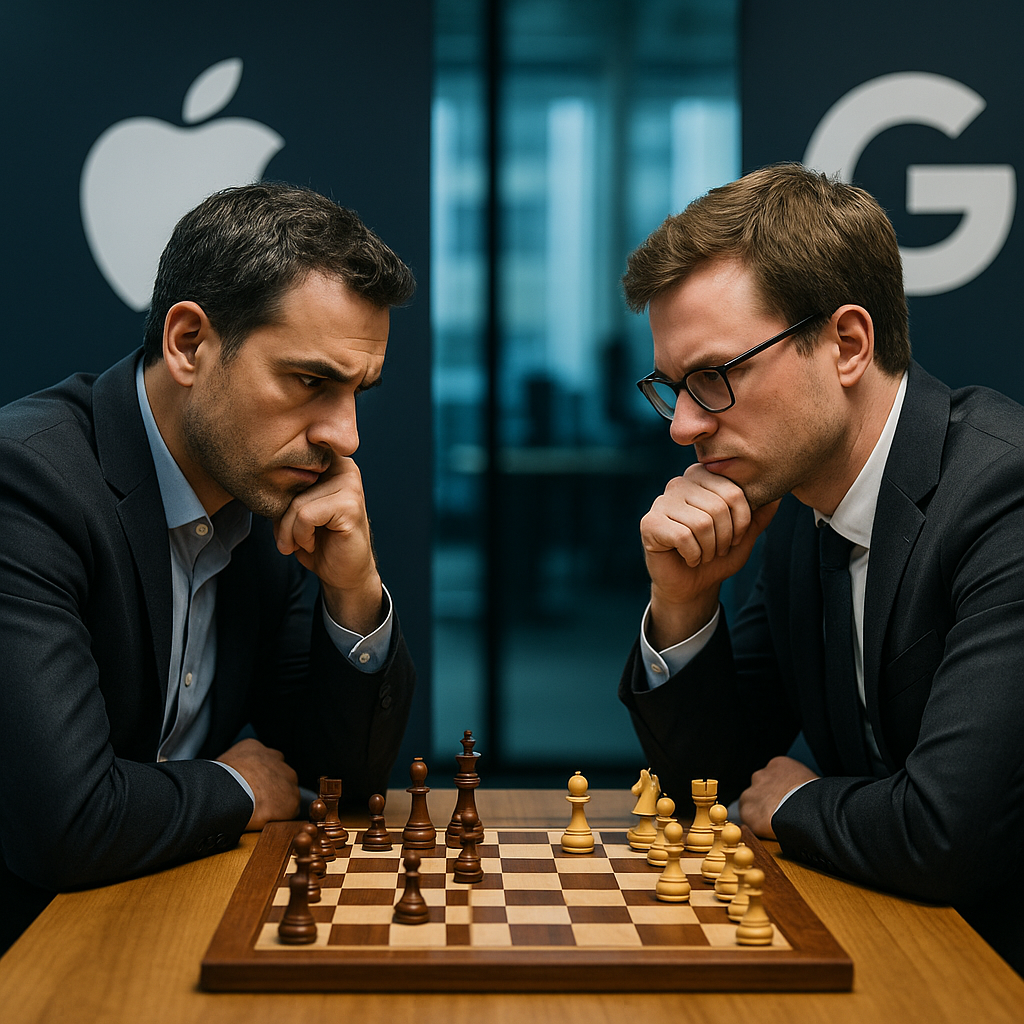
In Musk’s case, analysts suggest this fallout could signify growing pains in an industry where innovation often takes precedence over regulation. Legal experts posit that these lawsuits may serve as precedent-setting, forcing companies like OpenAI to define their roles more clearly—whether as public-interest groups or profit-driven enterprises.
Sam Altman’s Defense and OpenAI’s Future
One of the highlights of the trial involved Sam Altman’s defense testimony, which earned widespread praise from industry observers. Altman described OpenAI’s commitment to balancing innovation with responsibility, suggesting that the company must act within financial constraints to remain sustainable. This stance aligns with reports from Forbes, which earlier detailed OpenAI’s turbulent month amid partnership disputes and internal uncertainties.
Altman’s testimony resonated with tech enthusiasts who view OpenAI as a leader in generative AI—a field that is rapidly transforming industries such as healthcare, finance, and entertainment. However, critics argue that this victory could embolden OpenAI to continue pursuing closed systems, which are viewed by some as contrary to the collaborative spirit of AI research.
Reactions from Industry Analysts and Beyond
The verdict has elicited mixed responses within the tech community. Analysts at Yahoo Entertainment noted that Musk’s loss might encourage other companies to challenge OpenAI’s dominance, thereby opening the door to smaller competitors with innovative propositions. On the other hand, OpenAI supporters believe this decision reinforces the importance of protecting foundational AI innovation from becoming overly politicized.
Economic implications also surface in this debate. AI investments are rising, and cases like this highlight risks associated with legal disputes and consolidation of power within the tech landscape. As discussions about antitrust regulations and ethical AI frameworks continue, others will likely follow Musk’s example in holding big players accountable.

Implications for the AI Sector
With Musk’s lawsuit concluded, the broader AI ecosystem remains under scrutiny. This case exemplifies tensions between public aspirations for transparency and the commercial realities driving corporate actions. According to TechRadar, much of the public’s perception of AI has shifted amidst concerns over data monopolies, automation-driven layoffs, and inaccessible pricing for advanced AI tools.
Looking forward, industry insiders suggest keeping an eye on how OpenAI navigates its strategic choices post-lawsuit. Will it embrace increased collaboration to soften criticism or continue prioritizing enterprise-level partnerships? Musk’s legal loss doesn’t end these debates, but it raises the question of whether fresh regulatory frameworks are needed to hold AI creators accountable.
Conclusion
The Musk vs. OpenAI verdict encapsulates broader challenges in the interplay between innovation, leadership, and public trust. While Musk’s claims were rejected, the underlying concerns he raised will likely persist as artificial intelligence continues reshaping industries and societies. The trial’s outcome also signals a shift: legal battles in tech aren’t just about money—they’re becoming ideological, grappling with the ethics of how technologies are created and controlled.
As AI accelerates at an unprecedented pace, staying informed on regulatory developments and watching key players like OpenAI will be crucial for understanding its future trajectory. Whether this case sets new standards or fades as a high-profile footnote remains to be seen.