Images chosen by Narwhal Cronkite
‘The Worst Leak That I’ve Witnessed’: How CISA Left Its Digital Keys on GitHub
In a scenario that cybersecurity experts are calling a “serious lapse,” the U.S. Cybersecurity and Infrastructure Security Agency (CISA)—the federal agency tasked with defending the nation’s digital infrastructure—recently found itself at the center of a damaging security controversy. According to multiple reports, including a detailed analysis by Krebs on Security, sensitive digital credentials to CISA’s cloud systems were left exposed in a public GitHub repository for an alarming period of time.
The breach has left security analysts questioning how an organization dedicated to cybersecurity could falter so profoundly. While CISA swiftly acted to remediate the issue this past weekend, the incident has sparked broader conversations about the risks of human error, the vulnerabilities of cloud storage systems, and the evolving nature of digital security in a world increasingly reliant on the “cyber battlespace.”
How Did the Exposure Happen?
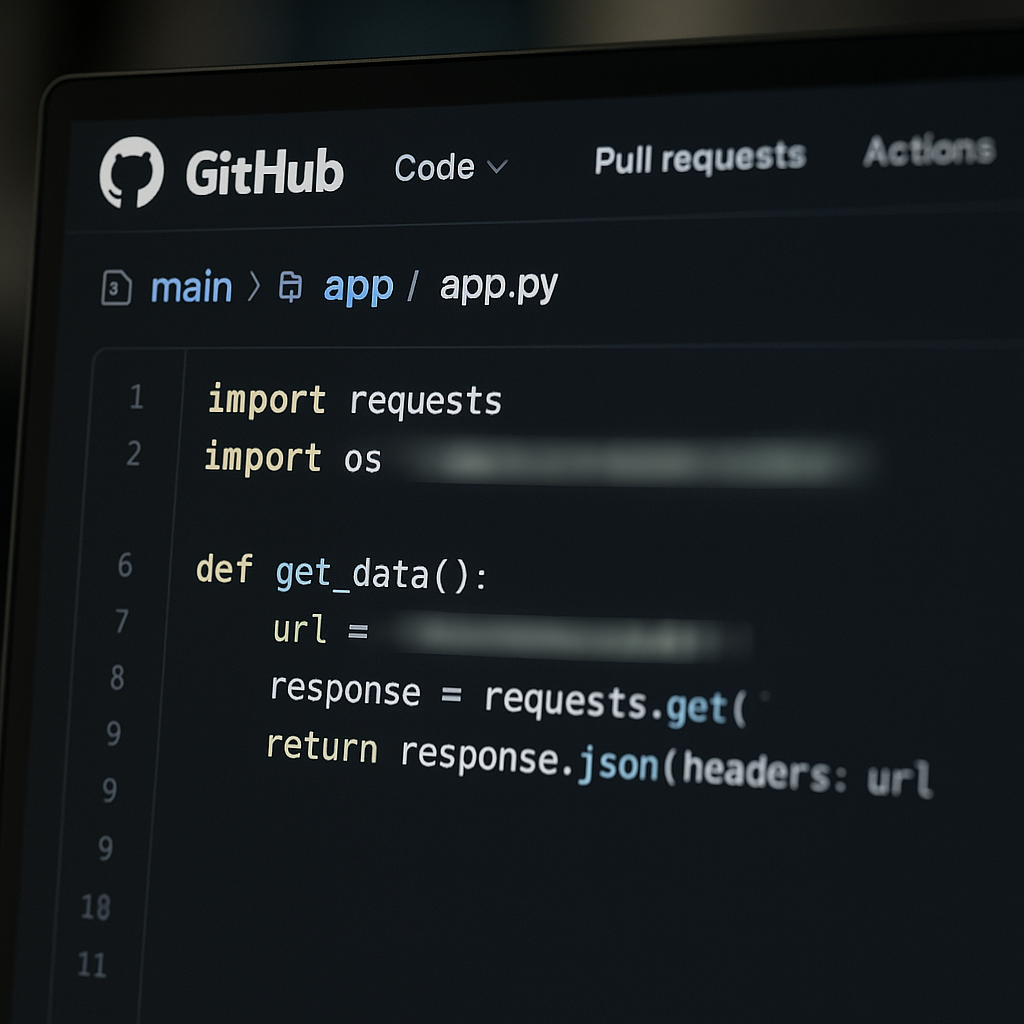
This unsettling episode began with the accidental publication of highly privileged credentials to several sensitive systems, including CISA’s AWS GovCloud accounts—a platform often used for secure government workloads. As Krebs on Security revealed, the exposed repository was alarmingly titled “Private-CISA” and contained plain-text passwords, access keys, and API tokens, some of which were openly stored in .CSV files.
The breach originated from a contractor affiliated with Nightwing, a government contractor. It appears the employee improperly used GitHub to transfer files between work and personal devices, a move cybersecurity professionals liken to “emailing yourself a password in plain text.” The problematic repository is believed to have been live since November of last year, potentially leaving CISA’s systems vulnerable for up to six months. Nightwing has yet to comment publicly on the incident.
What makes this breach particularly serious is the nature of CISA’s role. Established in 2018, the agency is the nation’s first line of defense against cyber threats from hostile nation-states, criminal syndicates, and other bad actors. A failure of this magnitude undermines public trust in its ability to deliver on that mission.
What Do Experts Say?
Unsurprisingly, cybersecurity professionals have described the incident in scathing terms. Describing the leak, one analyst told NarwhalTV, “The fact that a repository containing passwords and sensitive tokens was made public speaks to a failure in oversight. It’s the worst leak I’ve witnessed from an agency like CISA.”
When asked for a response, CISA attempted to downplay the severity in a statement to Krebs on Security, assuring that “there is no indication that any sensitive data was compromised as a result of this incident.” The agency further stated that it is “working to ensure additional safeguards are implemented.”
However, simply avoiding data compromise does not erase valid concerns. Lisa Strong, a cybersecurity consultant, explained the latent damage such leaks can cause: “Even if bad actors didn’t exploit the keys, the exposure alone is damaging. It highlights an internal culture of lax protocol and creates a target-rich environment for future exploitation.”

Human Error in the Cybersecurity Landscape
The CISA breach underscores a simple but recurring theme in cybersecurity: human error continues to be the Achilles’ heel of even the most robust systems. From poor security hygiene to improper training, many high-profile breaches trace back to overlooked risks at the individual level.
Stephen Reese, a security analyst at FinchTech, highlighted the common pitfalls: “Smaller mistakes like copying credentials to insecure locations can snowball. A single exposed password or API token can serve as the gateway for a larger compromise.” Unfortunately, even organizations like CISA, which should know better, appear to have fallen prey to these mistakes.
Industry analysts emphasize the importance of adopting zero-trust architectures, which enforce strict controls and constant verification for system access. While several U.S. federal agencies are in the process of implementing such frameworks, high-profile leaks indicate much work remains to be done, particularly in training employees and contractors on best practices.
Implications for Government Security
This incident serves as a cautionary tale for all levels of government that rely on digital ecosystems. If credentials tied to critical infrastructure are not safeguarded, the potential damage could be catastrophic. As one observer noted, the growing reliance on cloud infrastructure increases the stakes; missteps like this can inadvertently hand malicious actors the “keys to the kingdom.”
Additionally, the breach underscores potential gaps in oversight for contractors. The move by a Nightwing employee to store sensitive information in an insecure repository suggests that proper checks and balances for handling government data were either absent or insufficient. Going forward, federal agencies will need to not only mandate stricter oversight for their contractors but also ensure accountability mechanisms are in place for breaches of protocol.
What Comes Next?
For an agency tasked with shielding critical infrastructure, regaining trust won’t be easy. This incident places additional pressure on CISA leadership to demonstrate meaningful changes. Experts have suggested several steps, including enhanced audit practices, mandatory credential encryption, and third-party risk assessments of all contractors.
Importantly, this breach is also a warning to organizations across industries. It highlights the universal truth that even the strongest defenses mean little if the wrong people are granted unchecked access or fail to adhere to essential security rules.
As CISA recovers from the aftermath, the public will undoubtedly look for assurances that lessons have been learned from this debacle. The case also underscores a hard reality: even the entities that guard the cyber gates aren’t immune from mistakes. At the end of the day, no system is invulnerable—not even the government’s.