Images chosen by Narwhal Cronkite
Xi Jinping Told Donald Trump That Vladimir Putin Might Regret The Ukraine Invasion: Analysis
The political chessboard of international diplomacy seems to have gained another intriguing square, as reports emerge of Chinese President Xi Jinping allegedly expressing doubts about Russian President Vladimir Putin’s ongoing war in Ukraine during a recent meeting with former U.S. President Donald Trump. According to The Financial Times, Xi did not mince words while discussing the potential regrets Putin might face as the conflict drags on. The context of these remarks, given China and Russia’s declared “no-limits partnership” in 2022, could signal subtle shifts—or at least hedges—in Beijing’s foreign policy stance.
Breaking Down the Chinese-Russian Partnership
Before the invasion of Ukraine in February 2022, Russia and China had publicly declared what they called a “no-limits partnership,” pledging collective ambitions to counterbalance Western dominance in global affairs. This agreement raised eyebrows across the globe, positioning Russia and China as key geopolitical allies amid rising tensions with the United States and NATO. But now, over four years into a war that remains at a bloody stalemate, Xi Jinping’s rumored private remark to Trump offers a glimpse into Beijing’s evolving calculus.
“China has always been careful in maintaining plausible deniability in its alliance with Russia,” says international relations expert Dr. Evelyn Carter. “For Xi to intimate that Putin might regret his decision suggests Beijing may see risks in its close association with a war characterized by global condemnation and sustained economic sanctions against Moscow.”
This admission comes at an interesting juncture in global diplomacy. Putin is reportedly set to visit China just days after Trump’s high-stakes Beijing meetings. Observers note the timing as significant, with mixed implications for Russia-China ties and for their shared posture toward the West.
What Trump’s Proposal Signals About U.S. Intentions
According to News18, Donald Trump used his meeting with Xi to suggest a trilateral stance against the International Criminal Court (ICC), citing alleged overreach by the tribunal. Analysts believe such a proposal could reinforce Trump’s broader foreign policy mindset, which has leaned heavily toward transactional, realpolitik approaches rather than values-based diplomacy.
This suggestion comes amid longstanding U.S. criticism of the ICC. The Trump administration previously imposed sanctions on court officials investigating alleged U.S. war crimes in Afghanistan. But the idea of uniting the U.S., China, and Russia against this body could reveal Trump’s strategic priorities: fostering cooperation with major powers, even ones ideologically distinct from democratic norms, to challenge Western multilateral institutions that he has often criticized.
Xi, for his part, has not made any public endorsement of Trump’s proposal, though their dialogue reportedly extended well beyond just the ICC. Observers wonder if engagement between the two leaders—while Biden prepares for his own Ukraine-related diplomatic maneuvers—is more about Xi’s interest in keeping options open rather than committing firmly to a specific alignment.
Why Ukraine Remains a Stalemate—and a Flashpoint
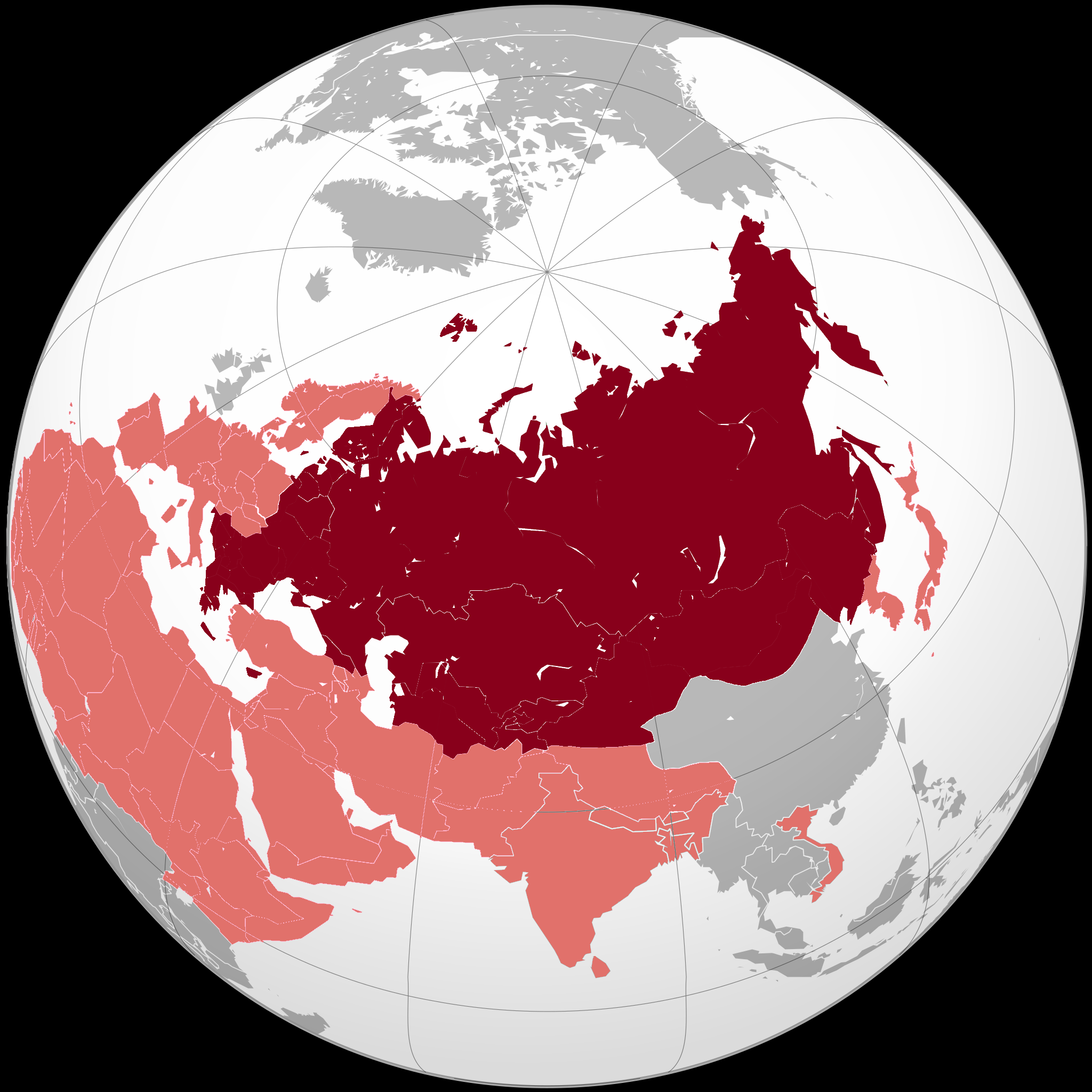
While Xi Jinping’s potential misgivings about the Ukraine war are notable, the ground realities in the conflict remain dire. After more than four years, the battlefield has reached an operational deadlock. Ukraine has increasingly relied on drone warfare to target Russian military assets, with strikes intensifying near Moscow. Meanwhile, Russia has sought to secure gains in eastern territories, fortified by conscription-driven manpower and prolonged support from regional allies.
“Xi’s concern could stem from the fact that prolonged instability in Eastern Europe has ripple effects that extend eastward,” says geopolitical analyst Sophia Lin. “China is deeply bound to global markets, and prolonged conflict creates unpredictability for economies dependent on energy markets or trade routes, including its ambitious Belt and Road Initiative.”
Furthermore, Beijing’s balancing act—maintaining rhetoric supportive of Russian sovereignty while avoiding direct alienation of key trade partners like the European Union—could become increasingly untenable. The perception of Putin as a leader who underestimated international resistance may be subtly reshaping how Beijing calibrates its diplomacy around the world.
The Broader Implications for Geopolitics
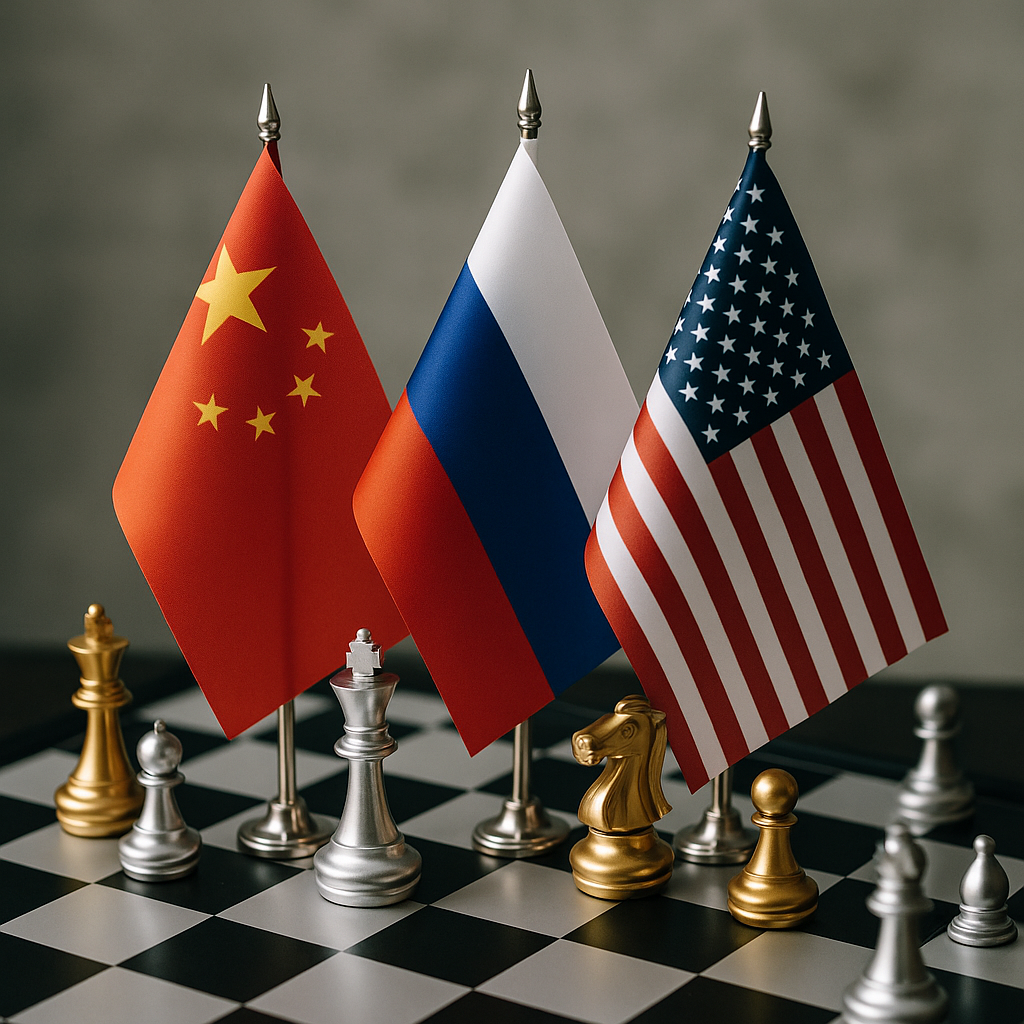
Given that both Trump’s Beijing visit and Putin’s upcoming trip are unfolding almost simultaneously, the U.S.-Russia-China triangle remains an arena ripe with intrigue. On one hand, Trump’s call for trilateral unity against the ICC may serve as a tactical ploy to position himself as a global statesman who could reimagine partnerships beyond America’s traditional allies. On the other hand, Xi and Putin’s track record suggests that their so-called “friendship” has limits of its own, hinging less on ideological alignment and more on strategic opportunism.
The question that remains is whether Xi’s alleged remarks about Putin’s potential regret hint at cracks forming in China-Russia ties or whether they merely represent strategic caution on Beijing’s part. “This isn’t a break—it’s a recalibration,” Lin adds. “China wants to ensure its global ventures flourish, and any alliance—even a ‘no-limits’ one—eventually gets tested by geopolitical realities.”
What to Watch Next
The ripple effects of these developments are likely to unfold slowly but meaningfully. With Putin scheduled to meet Xi in the days ahead, attention will shift to how both leaders frame their partnership in the face of prolonged war in Ukraine and increasing scrutiny from Western powers. Additionally, Trump’s reinsertion into global discussions signals his continued interest in foreign policy positioning, potentially setting the stage for larger domestic ambitions in the United States.
Observers are also keeping a close eye on how the Biden administration responds to this emerging narrative. Could Washington leverage changing dynamics in Beijing’s thinking to isolate Moscow further? Alternatively, could Xi’s disclosures to Trump further polarize the U.S.-China relationship?
In the intricate web of international diplomacy, where motives remain as fluid as ever, one thing is clear: the conversations happening behind closed doors today will shape the negotiations of tomorrow. For now, Xi Jinping’s alleged comment about Putin’s regrets adds a complex layer to a war that has already redrawn multiple geopolitical lines.