Images chosen by Narwhal Cronkite
Analysis: Iranian President Resigns Amid Rising IRGC Power
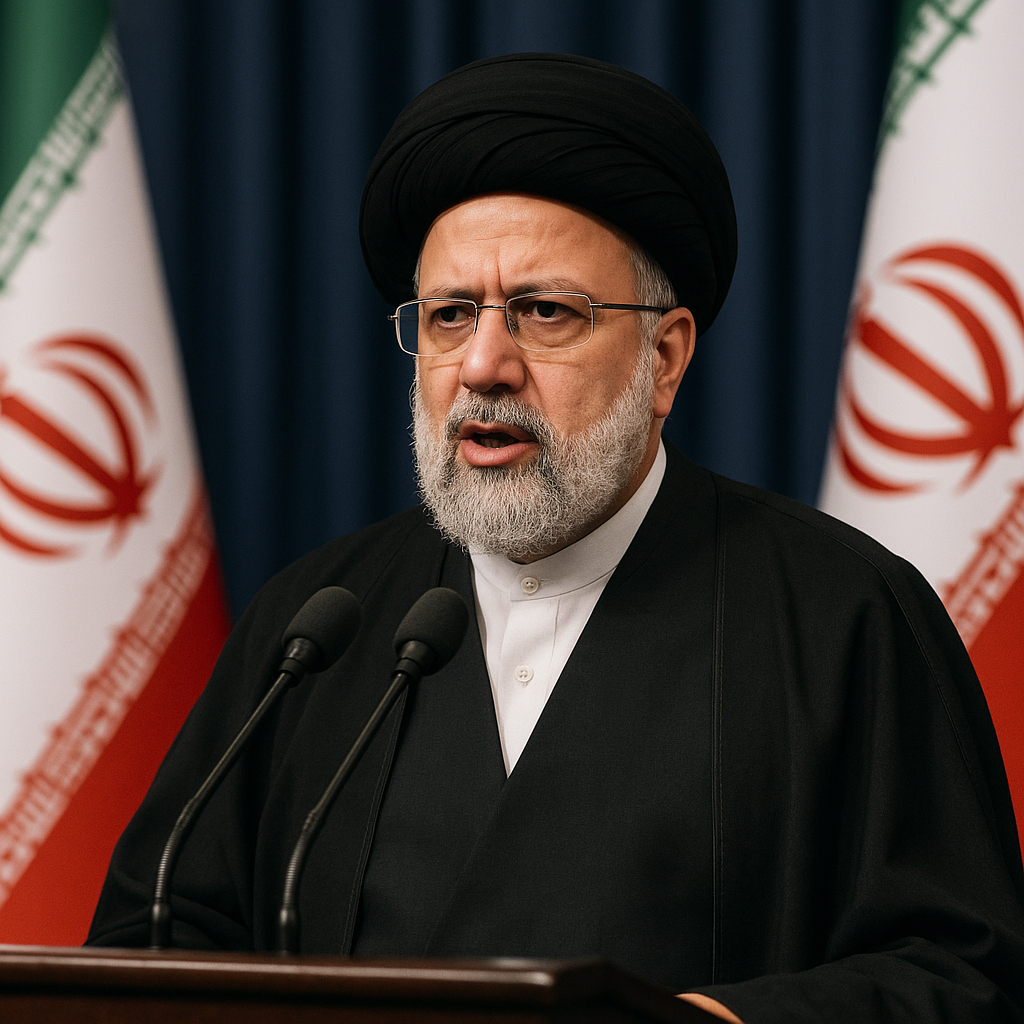
In a move that sent shockwaves through Iran’s political landscape, President Masoud Pezeshkian has officially submitted his resignation to the Office of the Supreme Leader, citing an increasing dominance of the Islamic Revolutionary Guard Corps (IRGC) in Iranian governance. The resignation marks a watershed moment for a nation already grappling with significant economic, geopolitical, and social challenges. But what does this development reveal about the state of Iranian politics under growing IRGC influence? This article provides a deeper analysis of the underlying dynamics at play.
The Fragile Balance of Power in Iran
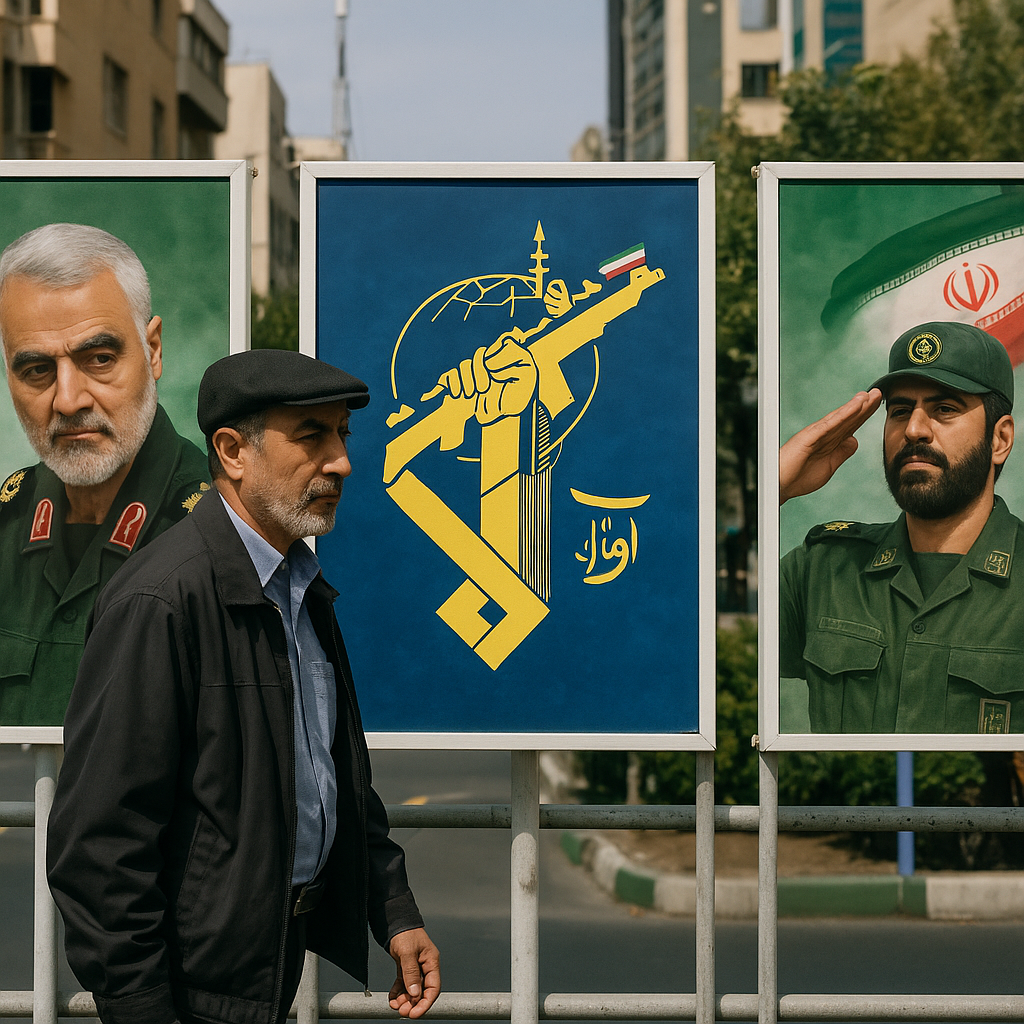
Iran has long functioned as a complex political system where civilian government institutions operate alongside, and often under the shadow of, a powerful military body—the IRGC. Initially established to protect the ideals of the 1979 Islamic Revolution, the IRGC has evolved into a political powerhouse, exerting considerable control over key sectors like energy, construction, and defense.
President Pezeshkian’s resignation sheds light on the tensions between the elected government and the IRGC. While civilian leaders, including presidents, are nominally in charge of governance, the IRGC’s sway appears to have reached a point where even high-ranking officials feel sidelined. “Commanders in the IRGC wield influence well beyond their official mandate,” one political analyst familiar with Iranian affairs stated.
This friction comes amid rising global scrutiny of the IRGC’s activities, particularly regarding accusations of meddling in regional conflicts, control over Iran’s economy, and its involvement in international sanctions evasion.
Economic Strains Amid Geopolitical Turbulence
The timing of Pezeshkian’s resignation is particularly significant, as it unfolds during heightened tensions in the Strait of Hormuz—a critical waterway for global oil supply. According to BusinessLine, these escalating US-Iran tensions have already sent tremors through global markets, with Indian equity indices like Sensex and Nifty recording significant volatility in recent weeks. On May 8, Sensex dropped over 500 points amid growing fears of an IRGC-led confrontation near the Strait.
The IRGC’s entrenchment in Iran’s economy has also compounded domestic financial uncertainty. A segment of the Iranian populace, struggling under inflation and unemployment, views the IRGC’s monopolization of industries and the siphoning of public funds as detrimental to economic recovery. “Economic mismanagement and IRGC interventions have stymied much-needed reforms,” pointed out an economist specializing in Middle Eastern affairs.
Domestic Pushback: The Emerging Fault Lines
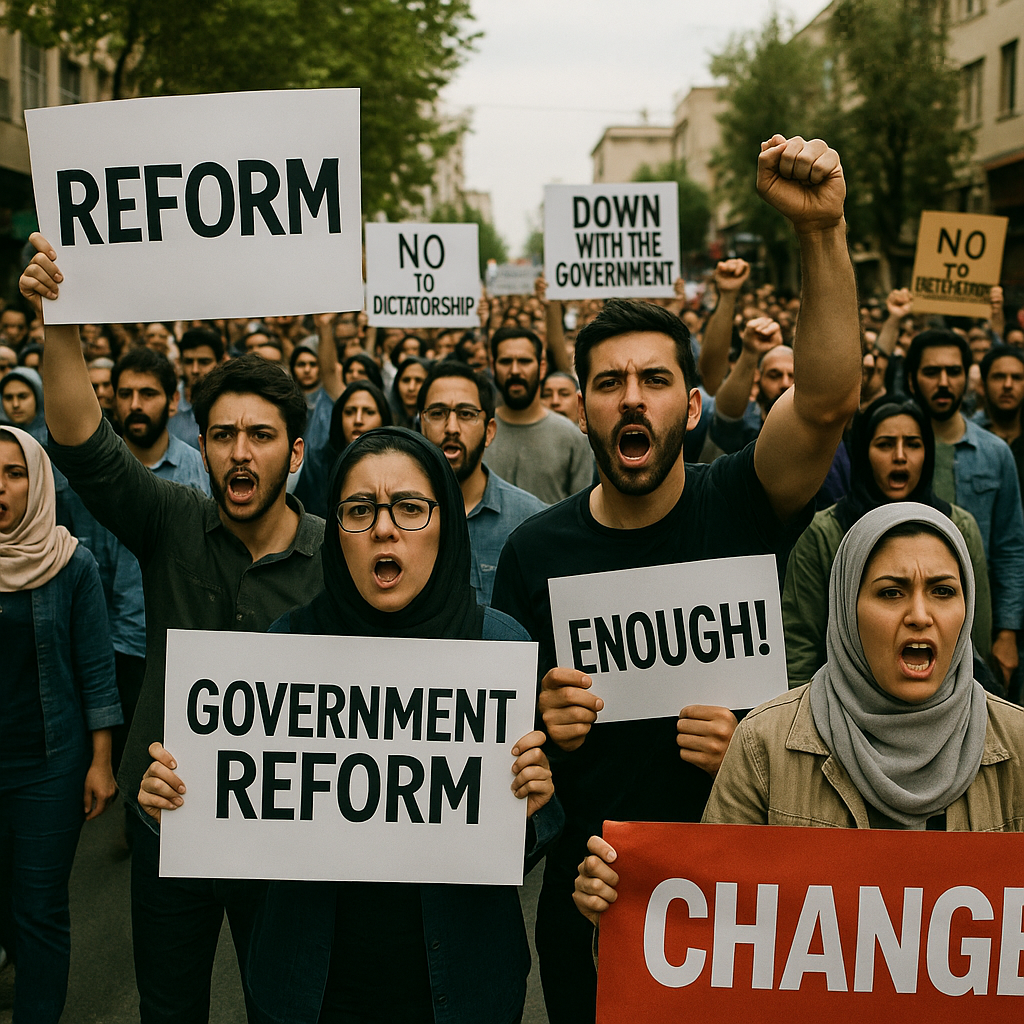
Pezeshkian’s resignation could galvanize factions within Iranian society that are opposed to the IRGC’s growing influence. In recent years, mass protests have erupted over issues ranging from economic hardships to political repression, signaling widespread dissatisfaction with the current system. The resignation may further embolden dissenting voices in demanding a rebalancing of power within Iran’s governance structure.
However, any such pushback could face steep challenges. The IRGC remains deeply entrenched not just in the political and economic apparatus but also in Iran’s security forces. Moves to democratize power or limit the IRGC’s influence could provoke significant resistance. “As long as the IRGC controls key levers of governance, change will remain an uphill struggle,” noted a senior journalist analysing Iranian politics for Reuters.
What’s Next for Iranian Politics?
President Pezeshkian’s resignation has sparked widespread speculation about its implications for Iran’s governance model. With no immediate replacement named, observers are closely watching the Supreme Leader’s reaction, which will likely indicate the extent to which the IRGC’s increasing dominance will shape Iran’s future political trajectory.
International repercussions are also worth monitoring. Iran already faces isolation due to ongoing sanctions, and the IRGC’s prominent role in exacerbating regional tensions makes constructive international dialogue increasingly difficult. For geopolitical stakeholders like the United States and the European Union, Pezeshkian’s resignation could serve as a grim reminder of the challenges in negotiating with an increasingly hardline Iranian regime.
Implications to Watch
This political crisis is yet another chapter in Iran’s years-long struggle between elected civilian leadership and entrenched military power. As the IRGC solidifies its hold, the resignation symbolizes a narrowing space for moderate voices within Iran’s governing institutions.
For international observers, two key developments warrant attention: first, the extent to which IRGC commanders extend their control nationally; and second, the potential for intensified internal dissent or international pressure. Iran’s political future may hinge on whether civilian leaders can reclaim their influence—or if this marks the beginning of full military dominance.
As Pezeshkian steps aside, the world must brace for a potentially irreversible shift in Iran’s political ecosystem.