Images chosen by Narwhal Cronkite
Russia Deems Hungary ‘Unfriendly’ After Election Shift: A Balancing Act for Europe
In a surprising turn of events during Hungary’s parliamentary elections, Péter Magyar of the Tisza Party secured a decisive victory, unseating longtime leader Viktor Orbán and reshaping the nation’s political trajectory. Russia’s swift reaction is now making global headlines, as Moscow officially added Hungary to its growing list of “unfriendly countries.” This development spotlights wider geopolitical shifts in Europe and raises questions about Hungary’s future balancing act between East and West.
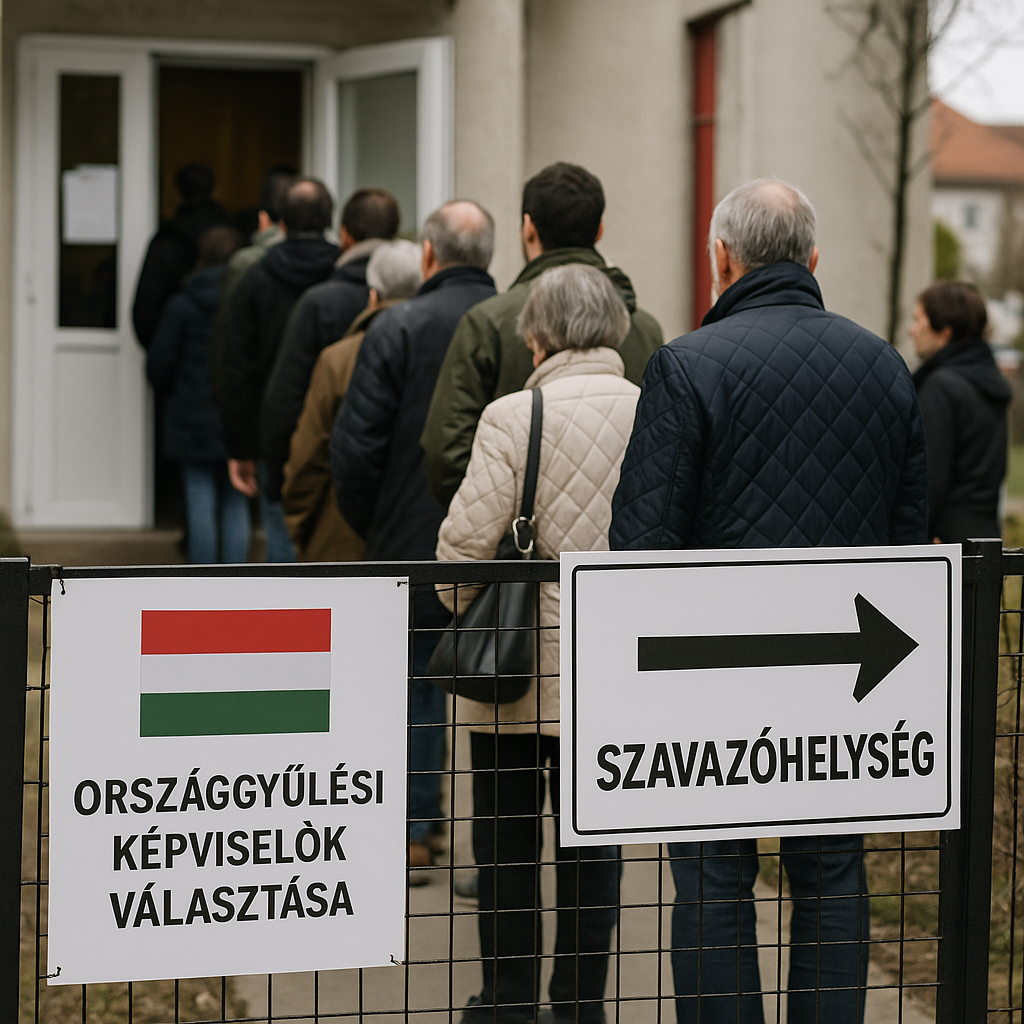
Hungary’s Political U-Turn: A Break from Orbán’s Legacy
Viktor Orbán’s 16-year tenure placed Hungary at odds with Western Europe on numerous occasions. Orbán’s government had consistently obstructed EU measures aimed at countering Russia’s aggression in Ukraine, earning praise from the Kremlin. Orbán was regarded as a trusted partner of Russian President Vladimir Putin, fostering close ties that culminated in pro-Russian stances on key international issues.
However, this steady cooperation unraveled on April 12, when voters delivered a decisive mandate to Péter Magyar. Winning 138 out of 199 parliamentary seats, Magyar’s Tisza Party has gained sufficient leverage to chart a new course for Hungary. According to Reuters, the new leader’s focus on European integration was central to his campaign, offering a stark contrast to the Kremlin-aligned policies of his predecessor.
Following the election, Magyar proclaimed, “Hungarians said ‘yes’ to Europe today, they said ‘yes’ to a free Hungary,” signaling a break from Orbán’s legacy. His address also directly encouraged officials loyal to Orbán to step down, hinting at potential personnel changes within state institutions in the near future.
Why Russia Reacted with Swift Disapproval
Moscow’s frustration with Hungary’s election results highlights the strategic importance of Budapest in its regional chessboard. Kremlin-backed media, as quoted by RBC Ukraine, revealed that Hungary is now categorized among “unfriendly countries,” with Russian officials openly criticizing Magyar’s victory. Dmitry Peskov, Putin’s press secretary, went as far as refusing to congratulate the new leader, reinforcing tensions between the two nations.
Russia had poured significant resources into manipulating the election outcome in Hungary. Analysts point to disinformation campaigns and covert media influence as key strategies employed to bolster Orbán’s candidacy. Yet Hungary’s electorate countered these efforts, marking a turning point that could weaken Moscow’s reach within EU corridors. Péter Magyar’s parliamentary majority amplifies Hungary’s capacity to uphold European policies challenging Kremlin misconduct.

Policy Outlook: What Magyar’s Victory Could Mean for Europe
While Péter Magyar has been careful in his public statements, his track record suggests strong alignment with European values. The newly elected leader is expected to push reforms aimed at combating corruption and modernizing Hungary’s healthcare system. Additionally, Magyar campaigned heavily on unlocking frozen European Union funds by meeting EU benchmarks that Orbán’s government had long resisted.
One of the potentially contentious issues is Magyar’s stance on Ukraine. During his tenure at the Foreign Ministry in 2010, Magyar was involved in diplomacy under Orbán’s administration—a fact that critics say clouds his intentions regarding Hungary’s role in countering Russian aggression. Industry observers speculate that while Magyar will likely strengthen ties with Europe, his immediate policy on Ukraine remains ambiguous.
Should Hungary pivot firmly toward EU policy alignment, it could create ripples across Europe, potentially accelerating initiatives to stabilize the region economically and politically. According to Bloomberg analysts, such a shift would also enhance Hungary’s negotiating power within continental frameworks like the European Commission and NATO.
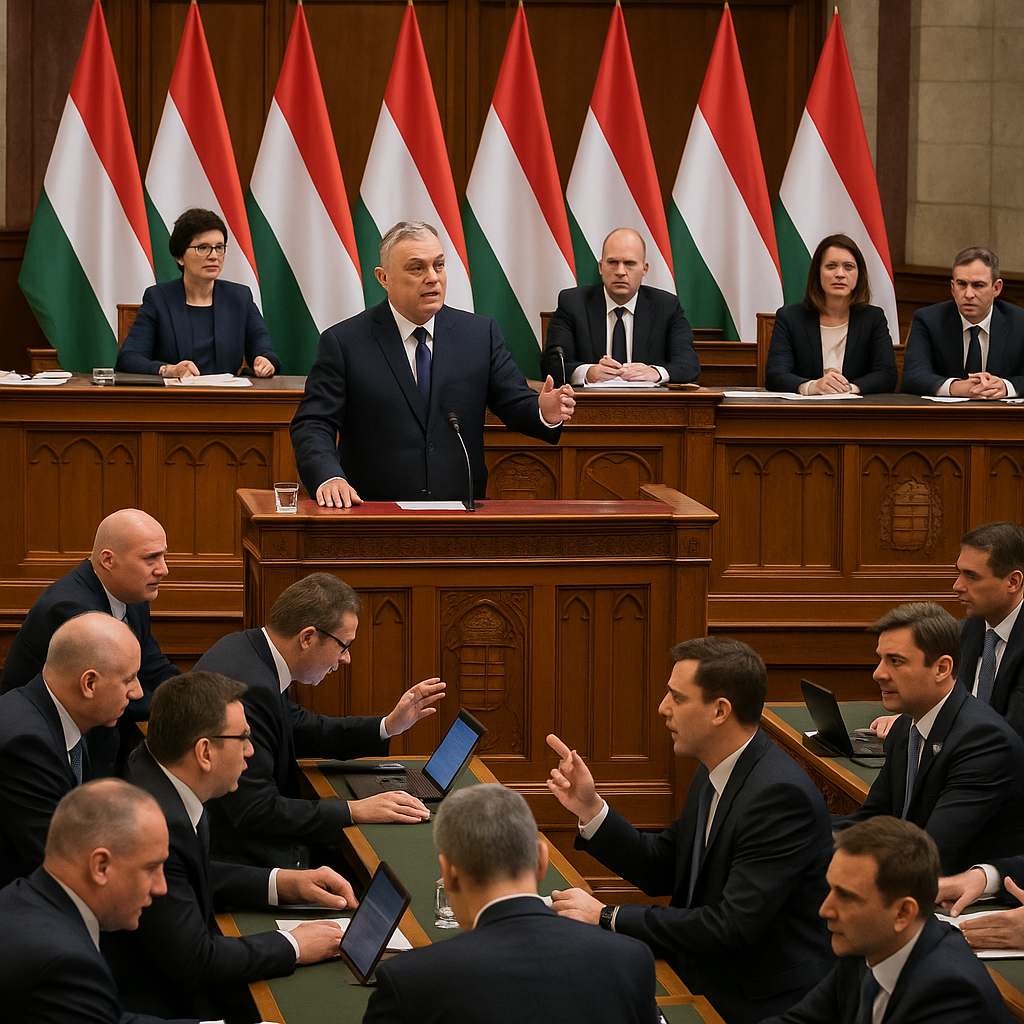
The Broader Implications for European Geopolitics
The inclusion of Hungary in Russia’s “unfriendly countries” list is symptomatic of broader tensions between Moscow and the West. As stated by political analyst Adam Kovács in The Guardian, Hungary’s election outcome showcases the diminishing influence of Russian soft power. Kovács noted, “Orbán embodied Moscow’s voice in the EU. His departure could marginalize Russian narratives in European policymaking.”
Hungary’s alignment with Europe under Magyar may enable stronger regional collaboration to address critical issues, including energy security, humanitarian aid, and the continuing Ukrainian crisis. Conversely, Magyar faces domestic challenges in uniting a polarized electorate, especially amid economic uncertainties tied to his ambitious reform agenda.
What’s Next for Hungary and Europe?
Observers are closely watching the unfolding situation, as Péter Magyar’s administration begins navigating its first 100 days in office. Particular attention is being paid to Hungary’s stance on key EU resolutions against Russia and its approach to NATO defense commitments. The international community is also monitoring movements within Hungary’s core industries, as shifts in trade policies could disrupt energy dynamics.
Magyar’s victory reinforces the resilience of democratic processes in Europe, where free elections hold the power to recalibrate geopolitical balances. Yet, the tension between Moscow and Budapest serves as a reminder of the fragile interplay between national and international interests. As Hungary steps into its post-Orbán era, the nation’s ability to redefine its identity—while navigating external pressures—will serve as a litmus test for the strength of European integration.
Whether Péter Magyar’s administration can reconcile domestic priorities with Hungary’s evolving role in Europe remains to be seen. For now, one thing is certain: Hungary’s political landscape has become a focal point in Europe’s ongoing tug-of-war between democracy and authoritarianism.
Key Takeaways
- Hungary’s election ushers in a new era, ending Viktor Orbán’s 16-year pro-Kremlin administration.
- Russia’s immediate reaction categorizing Hungary as “unfriendly” reinforces geopolitical tensions.
- Péter Magyar’s European-focused agenda signals stronger EU alignment but leaves questions about his stance on Ukraine unresolved.
- Hungary’s newfound political direction could significantly influence European integration and stability.