Images chosen by Narwhal Cronkite
Federal Surveillance Tech Becomes Mandatory in New Cars by 2027
By 2027, the way we interact with our vehicles—and how our vehicles monitor us—will fundamentally change. A bold new mandate from the 2021 Infrastructure Investment and Jobs Act will require all new passenger cars in the United States to feature advanced surveillance technology designed to assess driver alertness and sobriety. While proponents laud this move as a triumph for road safety, critics are raising alarms about privacy, costs, and the broader implications for technology in everyday life.
Safety Meets Surveillance: What the Technology Does
Under the directive codified in Section 24220 of the Infrastructure Investment and Jobs Act, the National Highway Traffic Safety Administration (NHTSA) has been tasked with finalizing rules for implementing this advanced system. The technology employs infrared cameras and sensors to monitor drivers’ biometrics in real time, tracking critical signals such as eye movement, pupil dilation, and fatigue indicators. If deemed impaired—whether due to exceeding the legal blood alcohol concentration (0.08%) or showing signs of significant drowsiness—the car will take action.
This action could involve preventing the vehicle from starting or even reducing its speed in motion. Unlike traditional breathalyzer ignition interlocks often used after DUI convictions, these systems operate passively, meaning no physical input from the driver is needed. Instead, the system collects data continuously, making judgment calls minute by minute based on what it observes.
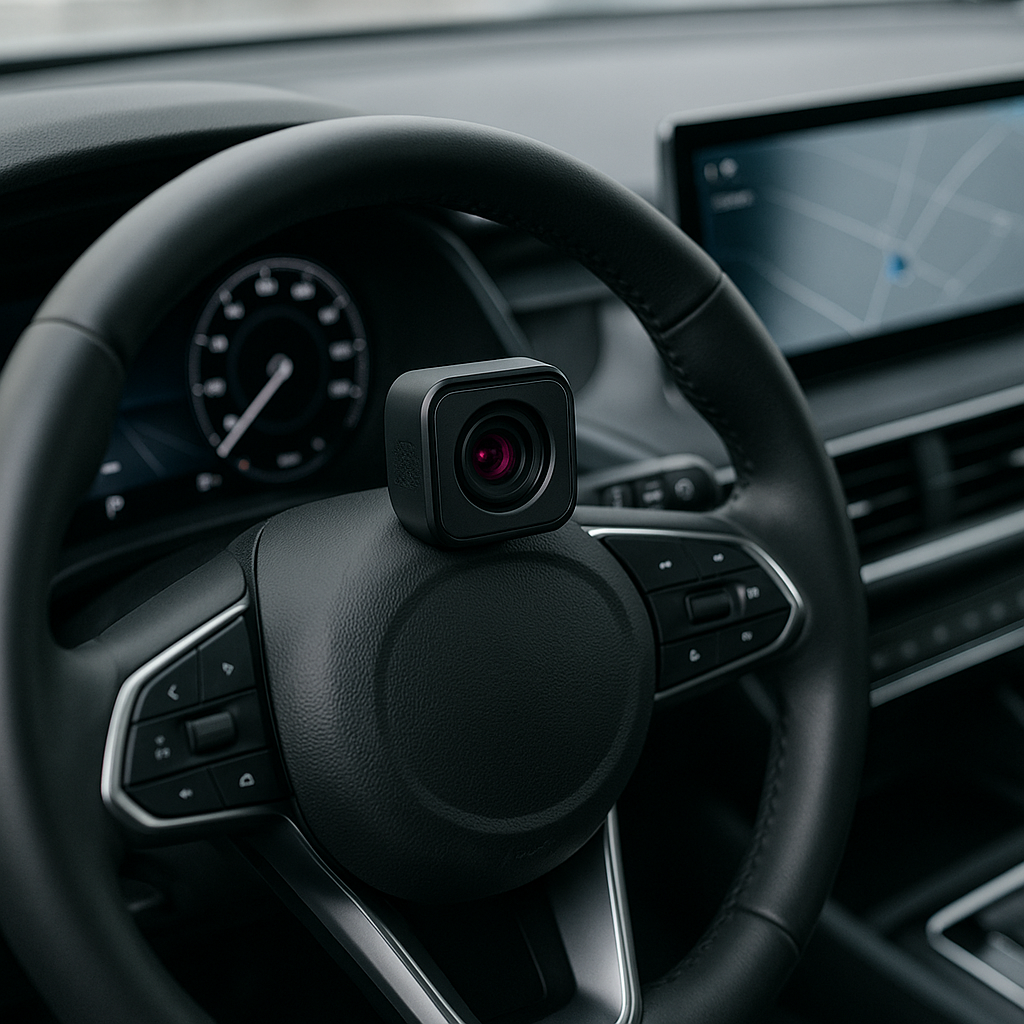
The implications are vast. While safety is the stated goal, the idea of your car serving as both a co-pilot and a watchdog raises uncomfortable questions.
Timeline and Industry Readiness
Automakers are facing a strict implementation schedule. Though NHTSA’s official guidelines are delayed beyond an anticipated November 2024 release, manufacturers will have 2-3 years to introduce the technology once regulations are finalized. This places the rollout window squarely in late 2026 to 2027.
However, industry insiders have flagged concerns about technical readiness and economic impacts. The cost of integrating these systems, estimated at $100-500 per vehicle, will almost certainly be passed on to consumers, potentially affecting car sales. Automakers are also wary of balancing this mandate with simultaneous advancements in autonomous driving and electric vehicle integration.
“The technology is still developing,” said a manufacturing executive who requested anonymity. “If the timeline is unrealistic or consumer costs spike, it could pose serious challenges for both automakers and buyers.”
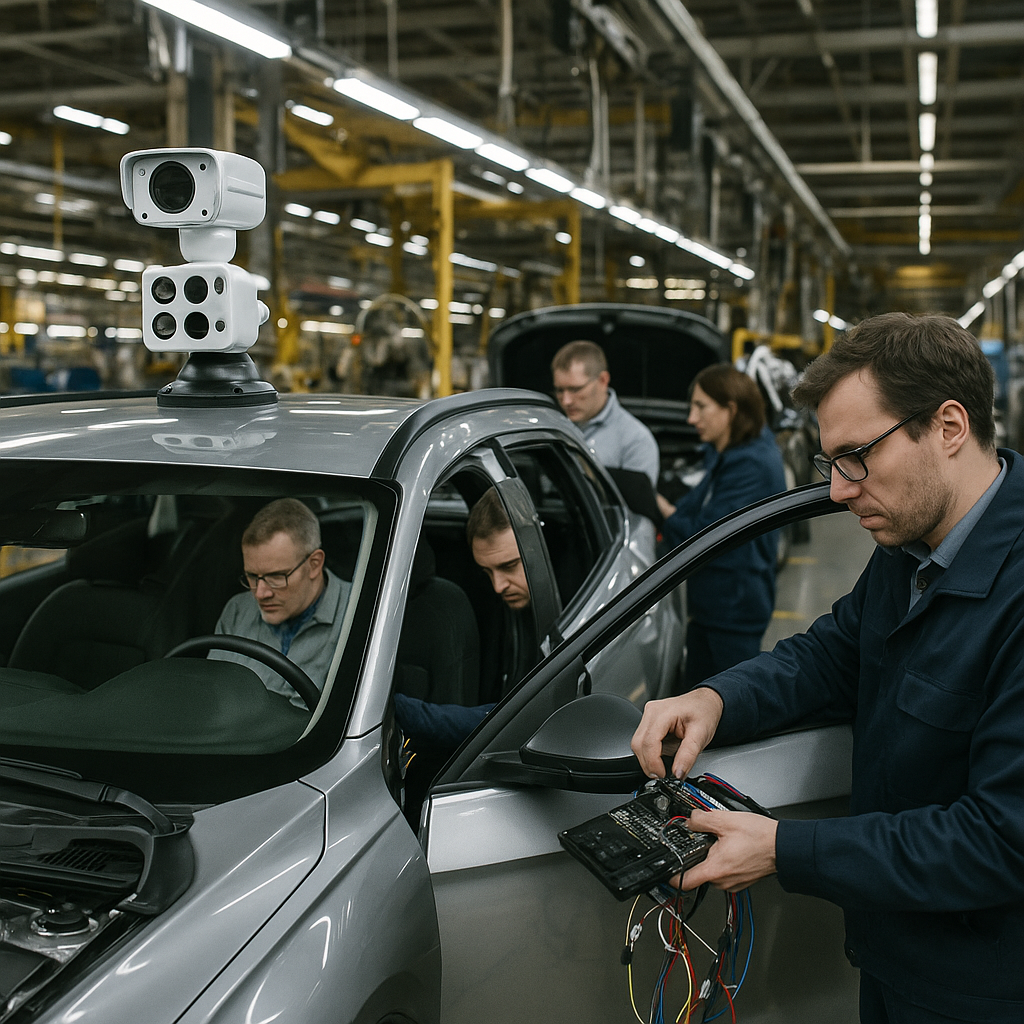
Yet, the timeline aligns with broader industry trends. Increasingly, vehicles are becoming software-centric, with over-the-air updates allowing new features to be added post-purchase. This raises another concern: could these monitoring systems become more invasive over time?
Privacy: Is Your Biometrics Data Safe?
Privacy advocates are ringing alarm bells over what this means for drivers’ personal information. While the mandate does not explicitly permit sharing biometrics data beyond vehicle operation, many fear a slippery slope wherein corporations or insurers could access this sensitive data. Historical precedents show how often data initially collected for one purpose finds secondary uses through opaque agreements. Think social media platforms and targeted advertising, but on wheels.
As reported by The Nation, some experts argue that data privacy laws must be reevaluated in light of these technological advancements. The fear is not just misuse by corporations but also data breaches that expose sensitive biometric details.
Advocates for digital freedom frame this development as part of a larger “authentication layer” trend—and a worrying one at that. Speaking to Free Republic, privacy consultant John Ross argued, “Once your personal biometrics become a normalized form of monitoring, reversing that process is nearly impossible.”
On the Road to Minority Report?
For critics, the language used to defend this surveillance mirrors science fiction dystopias, where technology is used to prevent unwanted actions before they happen. A car that refuses to start because it thinks you had one too many or sends fatigue alerts to authorities feels eerily close to a “Minority Report”-style reality.
Proponents, however, maintain that this is a necessary step forward. NHTSA reports that 42,795 people died in motor vehicle crashes in 2022, with impaired driving and fatigue playing key roles. Passive monitoring, they argue, will save countless lives.
Still, the balance between safety and personal freedom hangs in the balance. “The trick is ensuring that safety measures don’t become methods of surveillance creep,” said tech analyst Monica Liu. “The stakes for getting this wrong are huge.”
What Comes Next?
As automakers navigate these regulatory waters, the public remains divided. Many see the potential for safer roads—a 21st-century upgrade in combating the persistent issues of drunk and distracted driving. However, others argue that this could open a Pandora’s box for digital privacy violations and set a precedent for government-mandated surveillance in personal spaces.
Questions remain about how automakers and policymakers will secure the biometric data being collected. Will there be guidelines about where and how this information can be stored and utilized? Should these systems incorporate a transparent opt-out mechanism? These are decisions that could affect trust in the entire system.
For now, potential buyers of 2027 models face a paradox: safer vehicles, to be sure, but at the cost of their autonomy behind the wheel. Whether this is the first step in a safer, smarter transportation future—or an invasive overreach—will depend on how society navigates the challenges ahead.
As these pieces fall into place, what’s clear is that this federally-backed push is not just a technological issue, but a debate over freedom, safety, and the boundaries of privacy in the digital age.