Images chosen by Narwhal Cronkite
Iran Caused More Extensive Damage to U.S. Military Bases Than Publicly Known
Recent revelations have shed light on a previously underreported chapter in U.S.-Iran tensions in the Middle East. According to multiple informed sources cited by NBC News, Iranian strikes on American military infrastructure in the Persian Gulf have caused damage far exceeding initial public estimates. While the Pentagon has largely downplayed the incident, insiders indicate that the scale of destruction could cost billions of dollars to rebuild. With broader geopolitical and economic implications on the horizon, this development raises urgent questions about regional stability and U.S. military preparedness.
Billions in Damage: The Real Scope of the Strikes
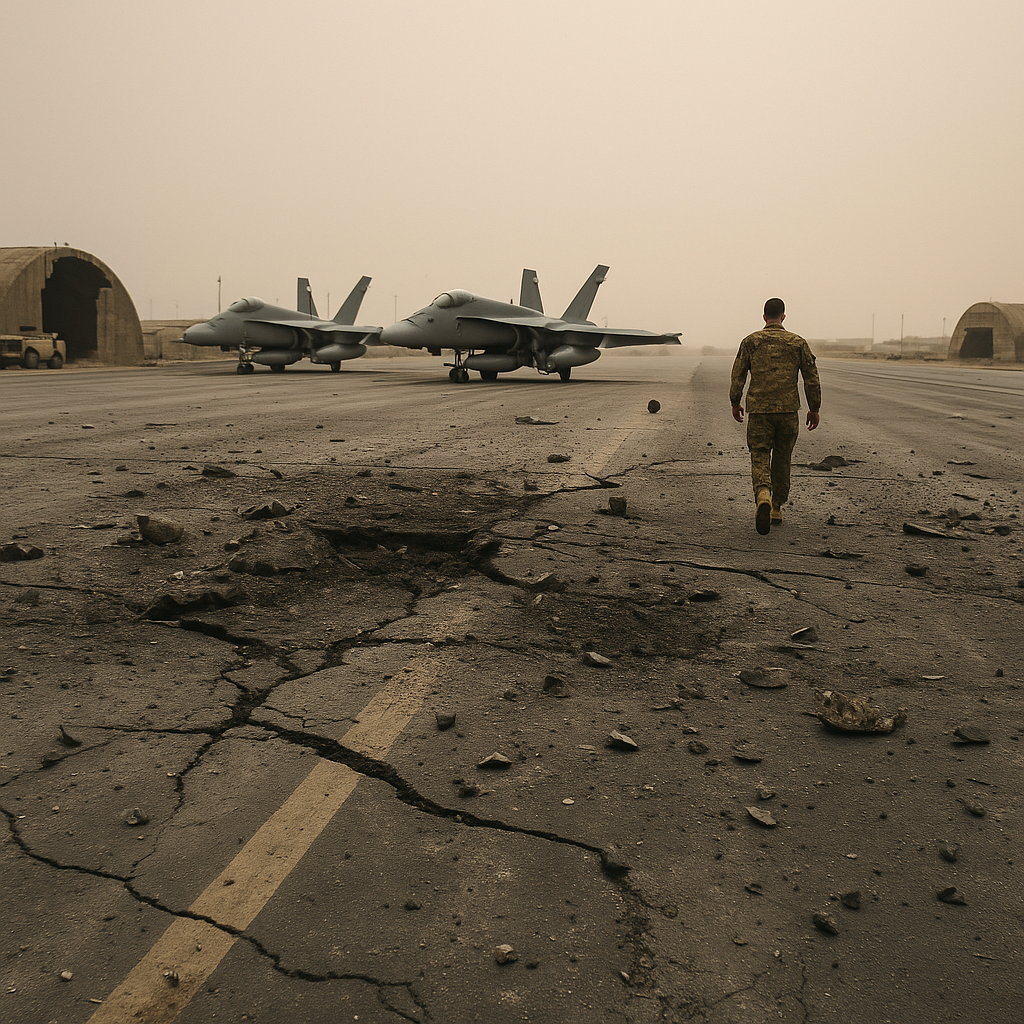
Evidence of unmatched destruction emerged after Iranian missile strikes targeted U.S. military bases earlier this year. Sources close to the matter claimed that key infrastructure, including airstrips, barracks, and advanced defense systems, sustained critical damage. Speaking to NBC News, anonymous congressional aides and other officials estimated reconstruction costs to escalate into the billions.
This revelation presents a stark contrast to official U.S. government narratives, which have historically minimized operational damage to maintain public confidence. However, battlefield realities, as outlined by industry and military analysts, tell another story. For instance, logistical hubs crucial for troop support are now unusable, forcing commanders to reroute operations to alternate bases, straining resources and response times.
“The damage caused by these attacks is the most significant we’ve seen in over two decades,” a U.S. defense official acknowledged in an off-the-record briefing.
The Geopolitical Ripple Effect
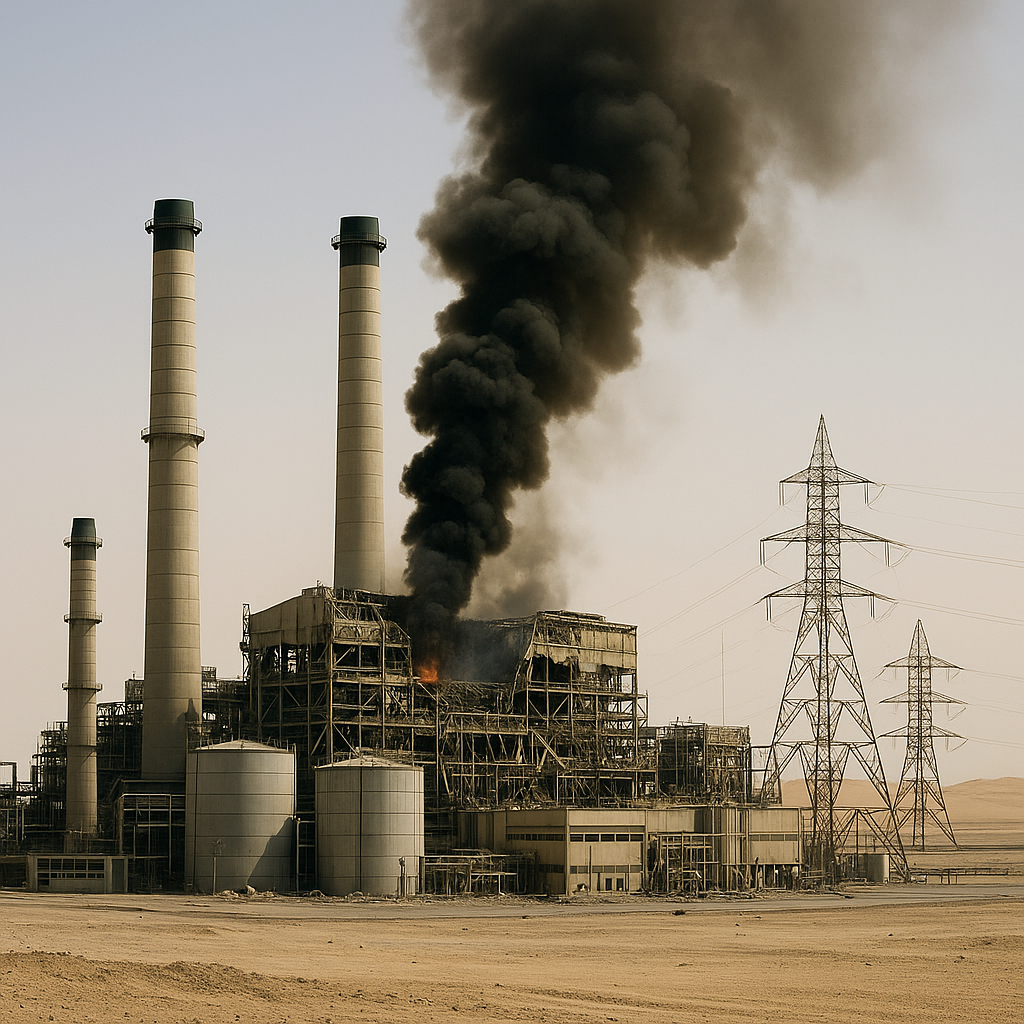
Iran’s recent military posturing underscores its broader strategy of asymmetrical warfare. By targeting critical U.S. and allied infrastructure, Iran has amplified its geopolitical bargaining power while signaling readiness for retaliation against Western pressures. Recent strikes have also impacted critical non-military sites, including Kuwait’s power and desalination plant, according to Al Jazeera, with damage spilling over into civilian spheres.
Another factor driving these escalations is Iran’s demand for reparations for the war, a point emphasized in Al Jazeera’s April 15 report. Officials in Tehran have stated that U.S. and Israeli strikes caused $270 billion in losses to Iranian infrastructure, ranging from schools and universities to water supply chains. This dynamic presents complications for the U.S., which is under pressure to approach renewed talks sensitively while ensuring it doesn’t appear to capitulate to Iranian aggressions.
Iran’s ability to cause significant damage also raises questions about military vulnerability. A joint report published by The Atlantic highlights that the U.S. has struggled to strike a balance between advancing its deterrence capabilities and ensuring nearby critical facilities remain fortified.
Analyzing the Pentagon’s Silence
While details of the damage in the Persian Gulf are now trickling out, an overarching question remains: Why the relative silence from Washington? According to analysts, the muted response could be part of a calculated strategy to manage public perception and ensure the already fragile ceasefire negotiations stay on track. After all, admitting the full extent of the fallout might inadvertently embolden Iran or compel it to escalate hostilities further.
However, the drawbacks of such secrecy are significant. The lack of transparency risks eroding public trust and fuels speculation about systemic lapses in security preparedness. This is especially concerning given that the post-2019 escalation in U.S.-Iran tensions has seen repeated missile exchanges, cyberattacks, and targeted strikes. Critics have pointed out that this cycle of provocation and retaliation is unlikely to end in the absence of greater accountability on both sides.

What to Watch For Next
As the dust settles on this revelation, several developments warrant close attention going forward. First, the financial toll is likely to strain U.S. defense budgets further, potentially reducing resources allocated to other strategic priorities. This could trigger contentious debates in Congress, where lawmakers remain divided on future military investments in the Middle East.
Second, the revelation serves as a stark reminder of the risks to international energy supply chains. The Persian Gulf region remains a vital node for oil and gas transportation, and any further escalation could disrupt global markets. Energy experts have already cautioned that unchecked conflict in this zone risks cascading economic consequences worldwide, from rising fuel prices to fluctuating stock markets.
Finally, the broader implications for diplomacy cannot be ignored. While ceasefire talks between Iran and the U.S. tentatively continue, mutual distrust threatens to derail progress. A viable path forward will require both sides to reevaluate their strategic priorities and possibly recalibrate their respective red lines. However, with Iran pushing for reparations and the U.S. downplaying damages, finding common ground remains a complex challenge.
Final Thoughts
This latest revelation underscores the fragility and unpredictability of U.S.-Iran relations, raising pressing questions for stakeholders in the region and beyond. As both sides navigate a tenuous ceasefire and weigh the advantages of either escalation or compromise, the stakes for global stability have rarely been higher.