Images chosen by Narwhal Cronkite
Trump Evacuated After Security Incident at White House Correspondents’ Dinner
In a dramatic turn of events at the White House correspondents’ dinner on Friday evening, President Donald Trump was evacuated following a security incident outside the venue. While details remain scarce, reports confirm no injuries were sustained during the event. This marks yet another high-profile security scare involving Trump, sparking renewed discussions about political division and public safety.
The Incident: What Happened?
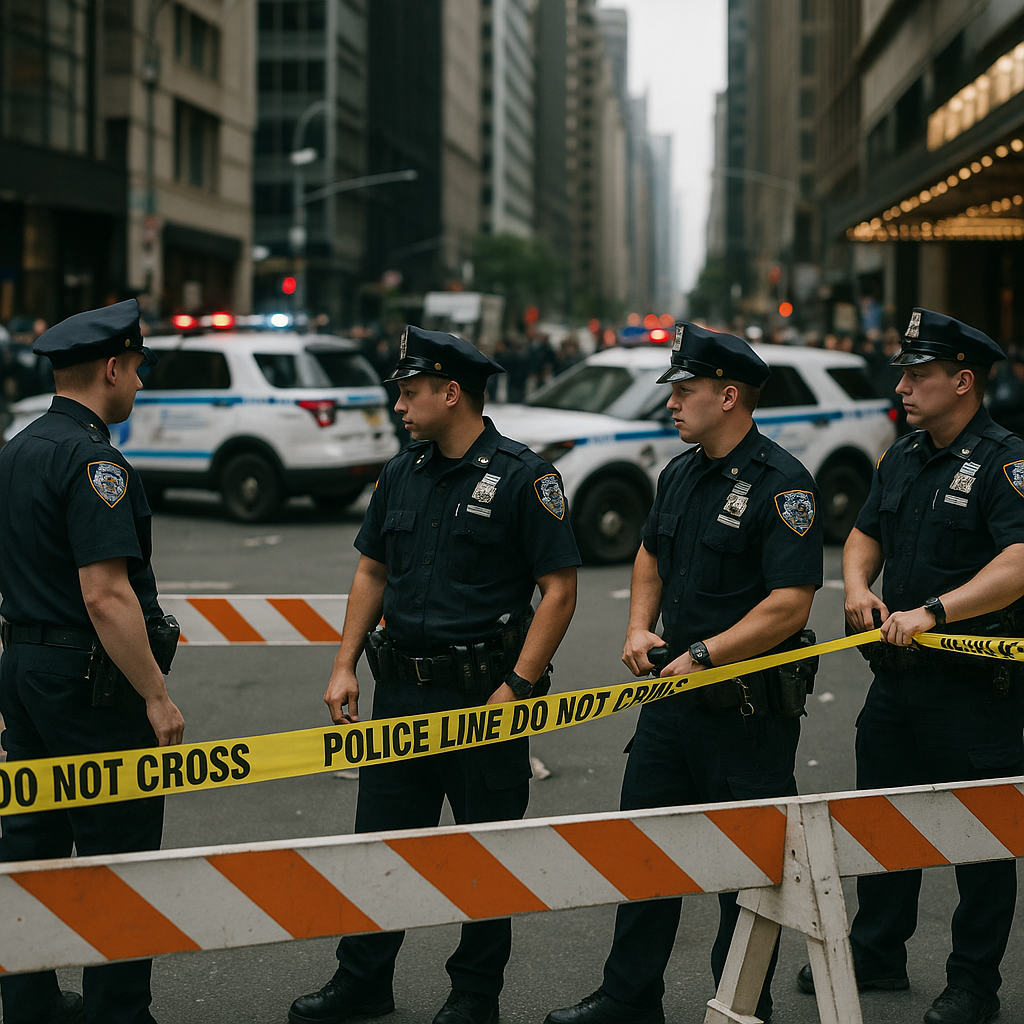
The White House correspondents’ dinner, traditionally known for lighthearted jokes and speeches, was interrupted by a shooting outside the venue in Washington, D.C. Authorities swiftly responded, escorting Trump and other attendees to safety. According to AP News, the suspected attacker—a tutor and computer engineer from California—had aired grievances against Trump in writings seen by family members.
While Trump remained unharmed, this incident underscores the ongoing challenges faced in ensuring security at politically charged events. The suspect has since been apprehended, and law enforcement continues to investigate potential motives, including political dissatisfaction.
Context: Political Tensions and Public Backlash
This security scare adds to a growing list of politically motivated incidents in recent years. As noted by New York Magazine in their analysis of Trump’s tenure, the polarizing nature of his leadership has left fractures within various segments of the population. Political experts have pointed out how divisive rhetoric, combined with the weaponization of grievances, can have dangerous consequences.
Trump himself has called for bipartisan unity in the aftermath of the incident. “We must come together against violence,” Trump said in a statement released shortly after being evacuated. However, critics question whether such calls for unity will have meaningful impact, given the increasing polarization within both political and media spaces.
The Role of Media Amid Security Risks
The White House correspondents’ dinner has long been a symbol of the First Amendment—a celebration of journalism, free speech, and the relationship between government and the press. Yet, as reported by Deadline, the media itself faces challenges in navigating charged political environments. Events like this illustrate the delicate balance between freedom of speech and ensuring public safety at venues hosting prominent figures.
Some analysts argue that heightened security risks at media-related gatherings reflect deeper societal trends. “Events like this show how intersections of political discourse, social grievances, and public platforms can amplify risks,” said an unnamed security analyst quoted by Deadline. Media organizations, tasked with fairly reporting these moments, often find themselves at the center of scrutiny.
Implications for Political Gatherings
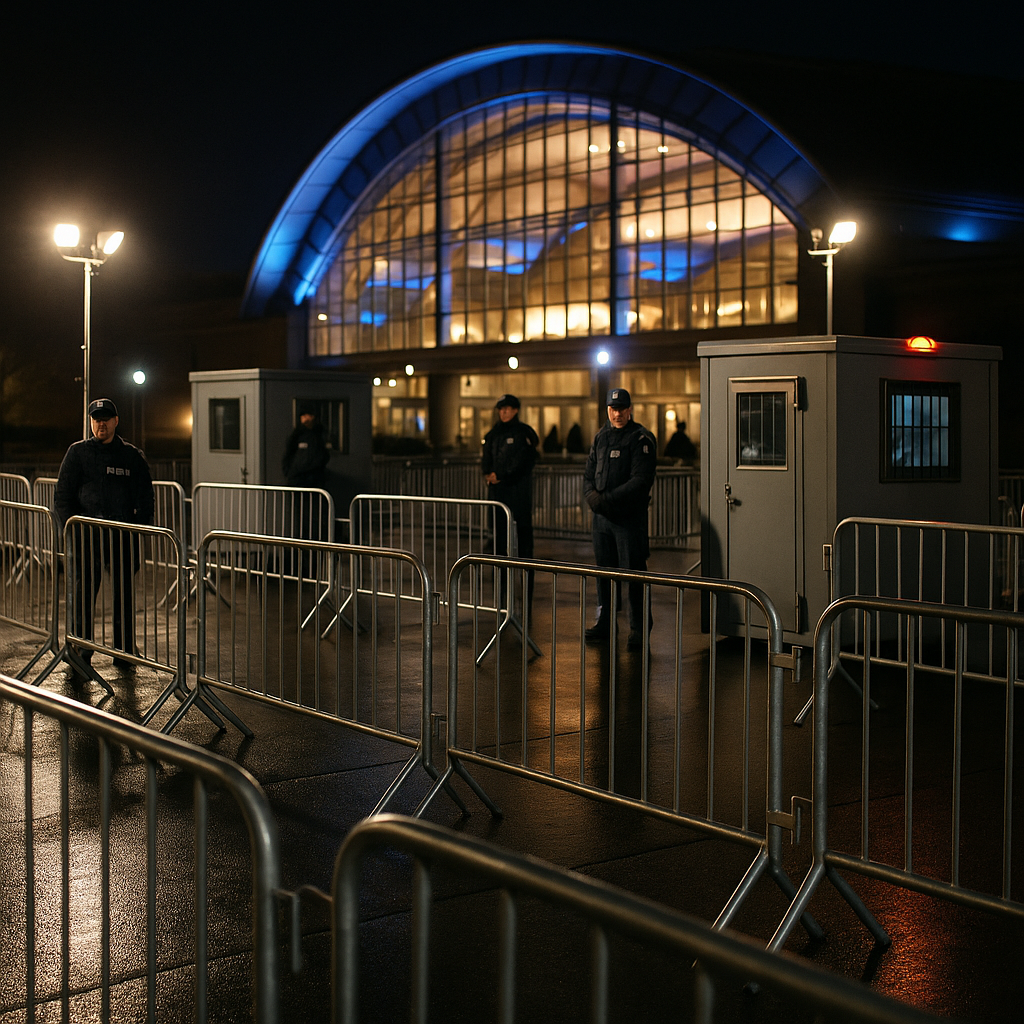
As violence continues to plague public events, experts are calling for a reevaluation of security measures surrounding gatherings that feature contentious political figures. While Trump’s evacuation was swift and effective, questions remain about how prepared venues are for sudden shocks, especially given the increasing frequency of targeted incidents.
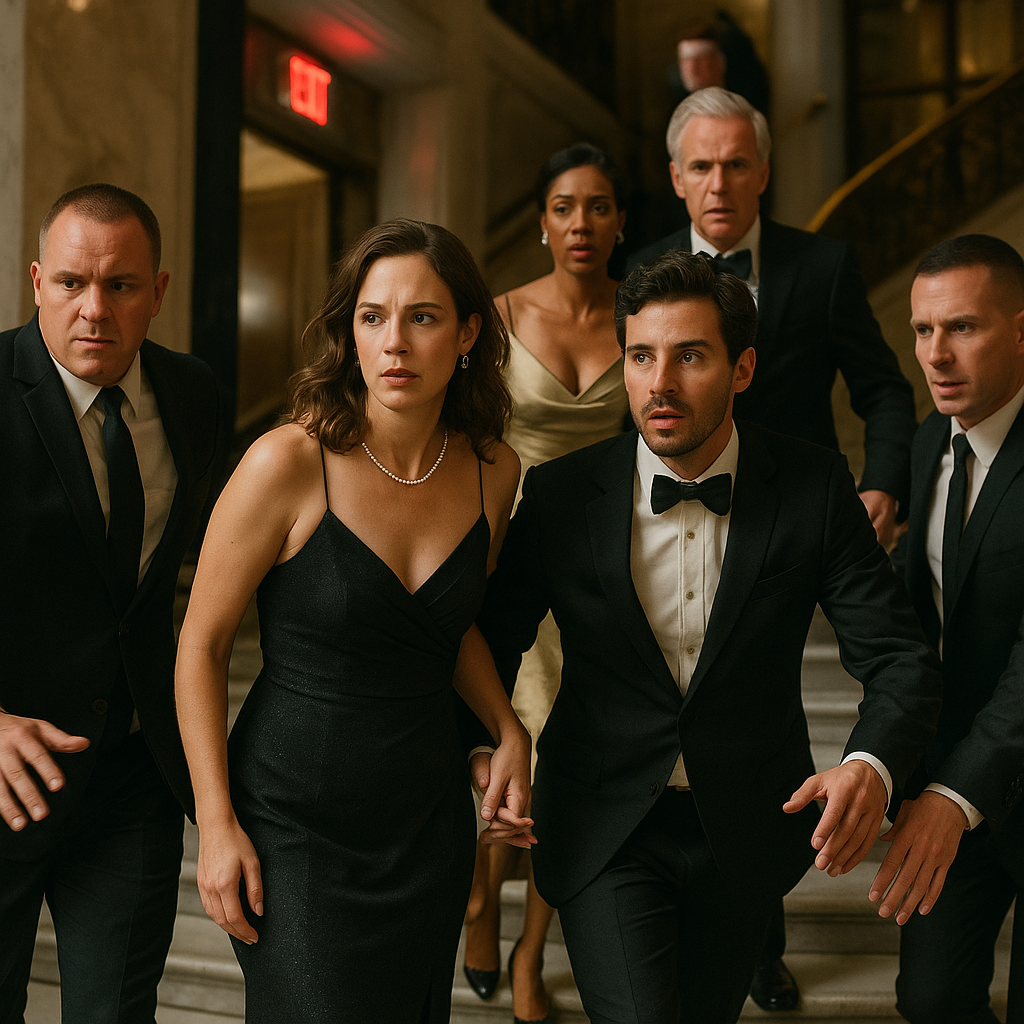
The AP News report noted that other public figures at the dinner were also evacuated under tight security protocols. This raises concerns about whether political gatherings and media galas need to implement stricter safeguards moving forward, without undermining the accessibility of such events.
What’s Next?
Looking ahead, the implications of this incident are far-reaching. Industry observers will be closely monitoring how security protocols evolve for high-profile events, particularly those that attract politically influential attendees. Federal agencies may also work on developing risk assessment strategies tailored to the unique challenges posed by media-centered gatherings.
For Trump, this incident marks a continuation of public scrutiny not only regarding his divisive legacy but also his safety as a political figure. As analysts debate the incident’s motives and repercussions, broader questions emerge about the future of political discourse. How can democracy foster fair debates without risking public safety? Is bipartisan healing possible in such fractured times?
As America grapples with these questions, one thing remains clear: the combination of high-profile politics and media prominence requires the utmost diligence—not just to protect individuals but to safeguard democratic traditions.