Images chosen by Narwhal Cronkite
Feds: Mayor of Southern California City to Plead Guilty to Acting as Agent of China
In a political scandal with geopolitical implications, Eileen Wang, the mayor of Arcadia, California, has resigned and agreed to plead guilty to charges of illegally acting as an agent for the Chinese government. This case underscores growing concerns about foreign influence operations in the United States and highlights the ruthless intersection of geopolitics, technology, and local governance.

The Arcadia Scandal: Layers Beneath the Headlines
On its surface, this case seems straightforward: a public official cooperating with a foreign government and failing to disclose her activities as required by law. But dig deeper, and the situation reveals a more layered understanding of how governments might use decentralized methods to extend their influence. Eileen Wang used a seemingly innocuous media website, the “U.S. News Center,” for what authorities allege was the dissemination of pro-China propaganda. According to the U.S. Attorney’s Office in Los Angeles, Wang consulted directly with Chinese officials for directives, sometimes even awaiting their approval before proceeding to publish.
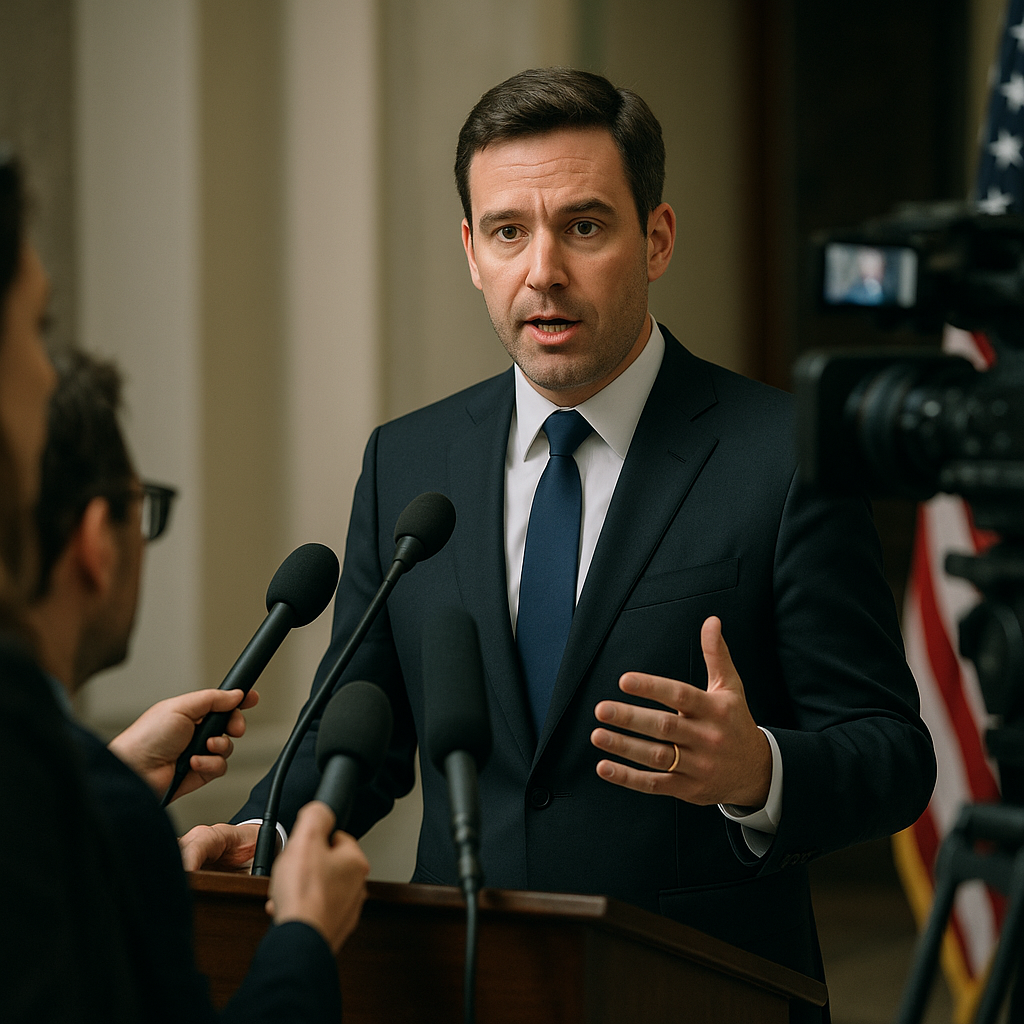
“What we’re seeing here is not just a solo act of criminality, but evidence of a broader, structured campaign by the Chinese government to influence American media and politics at even local levels,” said Roman Rozhavsky, Assistant Director of the FBI’s counterintelligence and espionage division.
Wang’s resignation and guilty plea follow a pattern of similar revelations across the nation. In October 2025, Wang’s former romantic partner, Yaoning “Mike” Sun, pleaded guilty to related charges and is now serving a four-year sentence. Further, John Chen, described as a high-level Chinese official and Wang’s direct contact, was sentenced to 20 months in prison in 2024 for bribery and illegal activities supporting the same alleged operation.
Foreign Influence in American Governance
Arcadia, a quiet Southern California city with a population of just 56,000, might not seem like the epicenter of international espionage. Yet, this case demonstrates that foreign influence campaigns are not limited to Washington D.C. or Silicon Valley. As major superpowers compete in digital and information warfare, leveraging hyperlocalized platforms and smaller political figures has become a viable strategy for exerting influence.

From what is known, the U.S. News Center—a platform co-managed by Wang and her partner—acted as a quasi-digital mouthpiece for Chinese interests. Analysts suggest that decentralizing influence operations this way allows governments to keep activities under the radar while still shaping public attitudes subtly through “trusted” local sources.
“A local platform like this wouldn’t have raised alarms until its connection to foreign intelligence came to light,” said political analyst Dr. Jennifer Morales. “This is indicative of a sophisticated evolution in how foreign governments target us—not just through mainstream media channels but also through subnational actors.”
Cases like this challenge regulatory agencies to expand the scope of scrutiny from federal and state-level activities down to municipal governance. It also raises questions about how local governments and elected officials are vetted and whether they possess the appropriate training to recognize potential foreign influence attempts.
The Role of Personal Relationships
One often overlooked element in espionage cases like this is the role of personal and romantic relationships in catching individuals off-guard. Wang’s lawyers have positioned her actions as mistakes rooted in personal entanglements rather than calculated malice. According to their statement, Wang’s behavior stemmed from her romantic relationship with her co-defendant, Yaoning Sun, whom she believed was her fiancé at the time.
“The personal element adds another layer of complexity, making it difficult to distinguish between personal error and deliberate wrongdoing,” U.S. attorney expert analyst Julia Renetti explained. “This opens up critical discussion about how emotional manipulation can be exploited in influence operations.”
While it’s crucial to hold culpable individuals accountable, cases rooted in personal dynamics like Wang’s may prompt human rights advocates to call for a nuanced interpretation of justice. Additionally, it serves as a cautionary tale about the vulnerabilities that public officials may bring into their roles.
Wider Implications for U.S.-China Relations
The timing of this case couldn’t be more significant. U.S.-China relations remain contentious, plagued by geopolitical disputes over cybersecurity, trade imbalances, and human rights abuses. This guilty plea fuels concerns about how actively China is working to shape American political rhetoric.
However, foreign influence isn’t a one-way street. Policy experts also point out that the U.S. has long conducted its information operations abroad, albeit in arguably different manners. “You can’t separate this case from the broader environment of international espionage. The U.S. and its allies are not innocent of carrying out similar activities,” noted Dr. Rahul Kapoor, an international relations scholar at UCLA.
Going forward, heightened tensions between the two nations may lead to stricter counterintelligence measures, raising broader political and technological concerns. What role should tech companies play in regulating potential foreign propaganda? Are laws, such as the Foreign Agents Registration Act, sufficient to curb the spread of state-sponsored content?
What Comes Next?
Wang now faces sentencing for a charge that carries a maximum sentence of 10 years, although her plea agreement suggests that leniency may be recommended. A federal judge will ultimately decide her punishment, setting a legal precedent for future cases of this nature.
Beyond the courtroom, local governments around the country may find themselves reviewing public officials’ activities more closely, amplifying calls for transparency. Some observers, however, argue that such high-profile cases risk creating a witch-hunt narrative that unfairly stigmatizes certain communities.
As geopolitical competition intensifies, the line between national security and personal privacy grows increasingly blurred. Cases like Eileen Wang’s not only expose the vulnerabilities in American governance but also spotlight the stakes in a deeper game of influence that is likely to escalate further.
For now, what’s clear is this: small towns are not immune to global machinations, and vigilance is required at every level of leadership.