Images chosen by Narwhal Cronkite
NYC Mayor Zohran Mamdani Balances Budget Without Raising Property Taxes
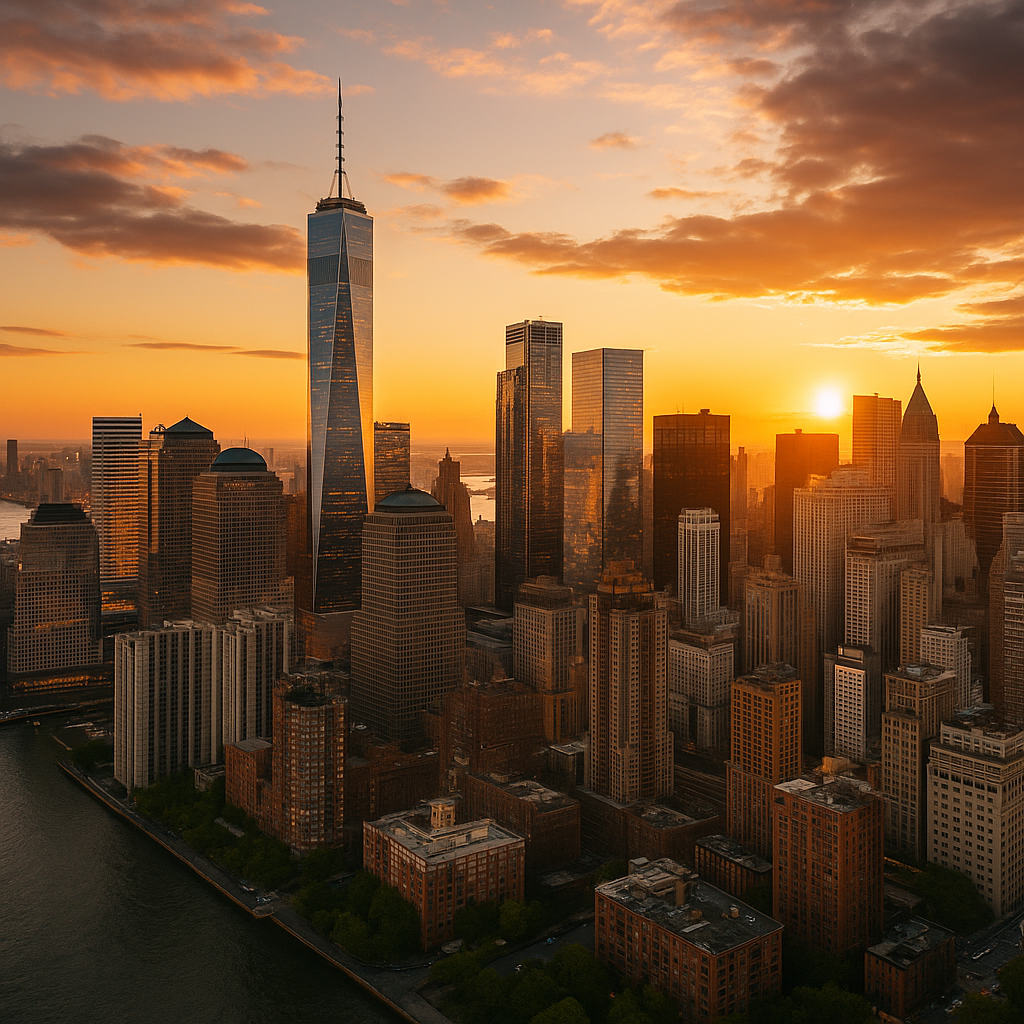
New York City’s fiscal balancing act has reached a historic milestone. On Monday, Mayor Zohran Mamdani announced that his administration successfully closed a staggering $12 billion budget deficit without raising property taxes—an achievement that has sparked significant discourse across political and economic circles.
From Crisis to Stability: How the Budget Was Balanced
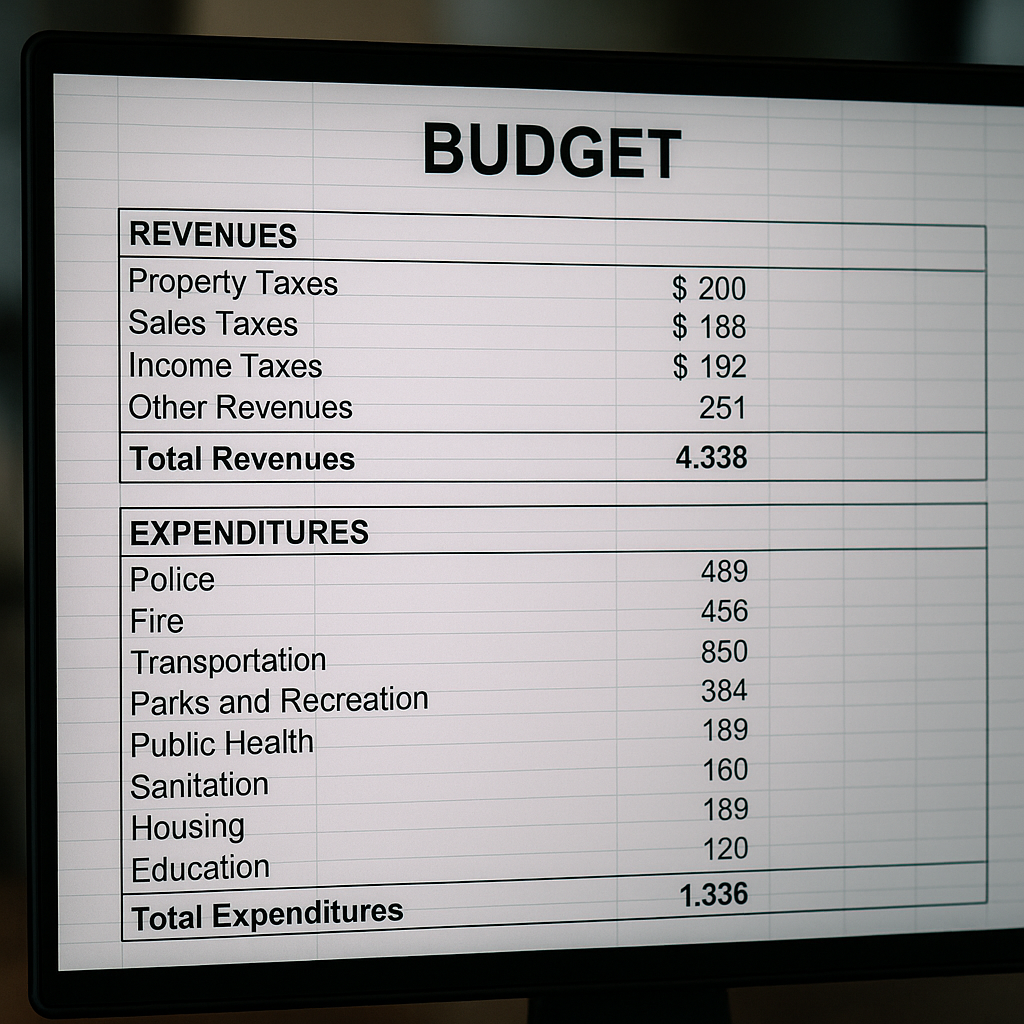
Faced with an unprecedented $12 billion shortfall, the scale of which Mayor Mamdani called “existential,” the situation initially appeared grim. As the fiscal year began, experts warned of potential cuts to essential services or sharp tax increases. However, the final $124.7 billion budget sidestepped those outcomes through a combination of aggressive new measures targeting the city’s wealthiest, collaborative negotiations with Albany, and stringent government efficiencies.
One of the most critical moves in balancing the budget was an eleventh-hour deal with New York Governor Kathy Hochul. The state allocated $4 billion in aid to the city, filling a substantial portion of the gap. “For years, the relationship between City Hall and Albany has been marked by dysfunction,” Mamdani acknowledged during his official announcement. “But we’ve redefined that partnership by putting New Yorkers first.”
Another bold initiative was the introduction of new taxes targeting ultra-wealthy individuals, particularly part-time residents. These measures sparked swift reactions, including criticism from figures such as President Donald Trump, who called the policy an attack on prosperity. Nonetheless, Mamdani remained steadfast. “We asked those with the most to contribute more to support those with the least,” he explained.
Key Strategies That Helped Avoid Property Tax Increases
Property tax hikes are often a go-to solution for closing budget gaps, but Mamdani sidestepped this option entirely, maintaining his promise to New York City homeowners. Instead, his administration focused on operational efficiencies and savings. This included stringent audits across city agencies, renegotiating old contracts, and keeping vacant positions unfilled for the time being. These efforts generated $1.77 billion in additional savings.
One noteworthy aspect of the budget strategy was the avoidance of using funds from the city’s “rainy day” reserve. By preserving these emergency funds, the administration has ensured that resources are available for unforeseeable future crises—be it natural disasters, economic downturns, or public health emergencies.
Can Taxing the Rich Sustain NYC’s Economy?
While Mamdani hailed these new tax measures as progressive, industry leaders and some economists expressed concerns about their long-term implications. “When you disproportionately target wealth creators, you run the risk of driving them away,” noted Rachel Thornton, an economic analyst with a focus on urban policy. Major business owners and wealthy residents, she stated, are “now reevaluating their decision to base operations or spend significant time in the city.”
For example, Steven Roth, CEO of Vornado Realty Trust, went so far as to claim that phrases like “tax the rich” create division and harm investment climates. Nonetheless, proponents argue that the city’s high quality of life and robust infrastructure will continue to attract businesses and affluent residents in the long term.
Political Ramifications and Mamdani’s Rising Profile
Mayor Mamdani’s success has had ripple effects in political spaces across both state and national stages. His relationship with Governor Hochul, marked by collaboration rather than rivalry, has been widely praised as a template for intergovernmental unity. According to CBS New York, Mamdani credited Hochul extensively in his address, referring to her as a partner in governance. “We’ve proven that good government happens when we set aside egos and work for the collective good,” he remarked.
At the same time, Mamdani’s policies have earned him both staunch supporters and vocal detractors. Critics from conservative quarters argue that his approach risks alienating investors and compromising future fiscal stability. On the other hand, progressive activists hailed the budget as an example of prioritizing working-class New Yorkers over business interests. “This is exactly why we elected him,” exclaimed Enrique Solis, a community organizer from Queens.
Implications for the Future of NYC
The balanced budget, while a significant achievement, raises questions about what comes next for New York City’s economy. Can the new taxation model be sustained without undermining the city’s appeal as a hub for global business? Will partnerships with Albany resist political fractures down the line?
Observers will closely monitor the city’s financial health in the coming months, particularly as property markets, small businesses, and essential services respond to the new fiscal environment. There is also mounting curiosity over Mamdani’s broader vision for New York—especially initiatives like his newly announced deed theft prevention office.
What to Watch Next
Looking ahead, two factors will be crucial to track:
- Private Sector Response: While new taxes predominantly target the ultra-wealthy, the broader business community’s sentiment and investment decisions will reveal how the budget impacts the city’s economic vibrancy.
- State and Federal Assistance: The unprecedented collaboration with Governor Hochul was a key ingredient to closing this deficit, but future aid is not guaranteed. Federal-level dynamics could also play a role.
“Mayor Mamdani has threaded the needle this year,” said economic strategist Jamilah Harris. “But our city’s resilience will ultimately depend on his administration’s ability to adapt and innovate in the face of still-mounting challenges.”
Whether this milestone cements Zohran Mamdani’s status as a transformative leader—or highlights the inherent challenges of governing a metropolis as complex as New York City—remains to be seen.