Images chosen by Narwhal Cronkite
US Inflation Soars to 3.8% Amid Ongoing Iran Conflict
The latest Consumer Price Index (CPI) report, released in May by the Bureau of Labor Statistics, paints a stark picture for the U.S. economy. Inflation jumped to 3.8% in April, its highest level in three years, driven by surging energy prices linked to the war in the Middle East. With gas and utility costs on the rise, Americans are feeling the pinch in their wallets, and the broader global economy is beginning to show signs of strain.
Energy Prices Take the Spotlight
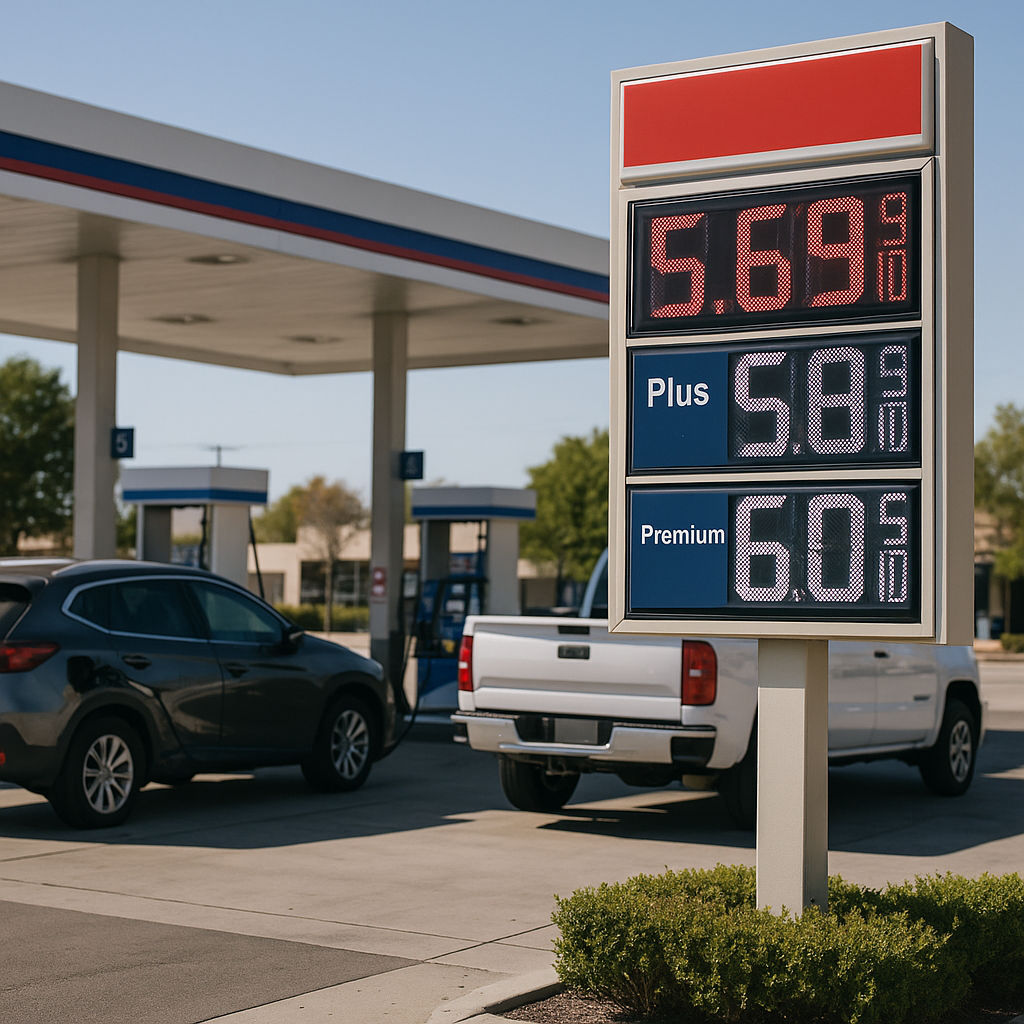
One of the primary drivers behind April’s inflation surge was energy costs. According to the CPI data, energy prices rose 3.8% in April alone, accounting for over 40% of the monthly increase. Gas prices, which were up a staggering 28.4% year-on-year, have become a glaring indicator of economic hardship. The national average price for a gallon of gas now sits more than a dollar higher than this time last year, data from AAA shows.
A major factor behind these energy hikes is the ongoing closure of the Strait of Hormuz, a vital chokepoint where roughly a fifth of global oil flows through. With Iran refusing to dismantle its nuclear facilities and international negotiations stalled, the geopolitical tension continues to rattle oil markets. As Donald Trump recently described Iran’s counteroffers to peace talks as “totally unacceptable,” it’s clear that an immediate resolution to the crisis is unlikely.
Rising Costs Hit Every Aspect of Daily Living
Outside of energy, price increases have hit virtually every category of essential spending. Food prices rose 3.8% year-on-year in April, while electricity and other utilities climbed another 5.4%, adding additional pressure on household budgets. Transportation costs were hard hit as well: airfares skyrocketed by 20.7% compared to last year, reflecting both higher fuel costs and increased consumer demand.
Core inflation, which excludes volatile food and energy prices, rose more modestly at 2.8%. But even this figure has caused concern among economists, as it signals that inflationary pressures are becoming embedded into the broader economy. Higher prices for housing, personal services, and durable goods also contributed to the surge.

Global Ripple Effects and Consumer Sentiment
The cost-of-living crisis isn’t limited to the United States. Countries like Canada, South Korea, and the UK are also experiencing rising inflation, driven by similar factors such as elevated energy costs and disrupted supply chains. A survey by PwC noted that British households are bracing for further financial challenges as inflation bites deeper into their disposable incomes.
On the domestic front, consumer confidence has taken a notable hit. According to the University of Michigan’s Survey of Consumer Sentiment, Americans reported significantly lower confidence in May compared to the same time last year. The sentiment index is now nearing levels last seen during the 2022 inflation peak, when inflation crossed 9% and sparked widespread economic anxiety.
“What we’re seeing is a continuation of inflationary pressures from energy and food cascading through the economy,” said an economist with the Brookings Institution. “These price hikes are likely to have a prolonged impact on consumer behavior, even if the Federal Reserve manages to stabilize the core inflation rate.”
Will the Federal Reserve Raise Interest Rates?
With inflation staying stubbornly higher than expected, attention has turned to the Federal Reserve and its possible response. According to an analysis by Business Insider, expectations that the Fed may hike interest rates in the coming year are gaining traction within financial markets. While core CPI remains below the Fed’s 2% long-term target, the possibility of so-called “sticky inflation”—where certain price pressures refuse to ease—has raised alarm bells.
Higher interest rates could potentially curb demand and bring inflation under control, but the risk of triggering a recession looms over such policy decisions. “The Fed is walking a tightrope,” commented a senior analyst at Moody’s Analytics. “They know that acting too aggressively could stifle the recovery, but inaction risks letting inflation spiral further.”
Looking Ahead: What Comes Next?
The road ahead remains unclear. With the geopolitical situation in Iran deadlocked and oil prices unlikely to decrease in the near term, inflation is expected to remain a pain point for American households for months to come. Additionally, the global manufacturing and supply chain struggles—highlighted by Asia’s softening industrial output—only exacerbate the issue, potentially delaying recovery further.
Yet some experts see opportunities within the challenges. According to Yahoo Finance, the burgeoning demand for secondhand goods, particularly in luxury resale and discount clothing markets, suggests that consumers are finding creative ways to adapt to tighter budgets. While this trend might reflect desperation for some, it also signals resilience and innovation among consumers.
Economists will be closely watching key indicators in the near term: consumer spending patterns, shifts in Federal Reserve policy, and the ongoing developments in the Middle East. Whether inflation can be reined in without tipping into recession depends on a delicate balancing act by policymakers at both the domestic and international levels.
For now, Americans are left coping with climbing bills and economic uncertainty. As the summer travel season approaches, how long this inflationary surge will last remains the question on everyone’s mind.