Images chosen by Narwhal Cronkite
‘Everyone is Unhappy’: Meta’s Grim Outlook as 8,000 Layoffs Loom
Meta Platforms, Inc., the powerhouse behind Facebook, Instagram, and WhatsApp, is poised to lay off roughly 8,000 employees on May 20, marking yet another chapter in its ongoing saga of downsizing. The company’s plans, reported by multiple outlets including WIRED and Bloomberg, come at a time of soaring profits but unsettling morale among its workforce. Despite a record-breaking $56.31 billion in revenue and $26.8 billion in net income during Q1 2026, the mood within the social media giant’s ranks paints a starkly opposing picture.
Record Profits Meet Massive Layoffs
It might seem counterintuitive, but Meta’s financial success has done little to reassure its employees. As Forbes and Fortune have documented, the layoffs this month will push the total number of jobs cut at Meta since late 2022 to over 33,000. The latest restructuring measures are attributed to surging investments in artificial intelligence, which CEO Mark Zuckerberg has described as critical to the company’s future.
According to Bloomberg, Chief People Officer Janelle Gale emphasized Meta’s aim to run more efficiently, justifying the layoffs as necessary for offsetting the company’s ballooning expenses. Meta’s AI-related spending, projected to hit $125–145 billion in 2026, dwarfs its $72.2 billion investment last year. As a result, long-standing employees at every level are questioning the company’s priorities.
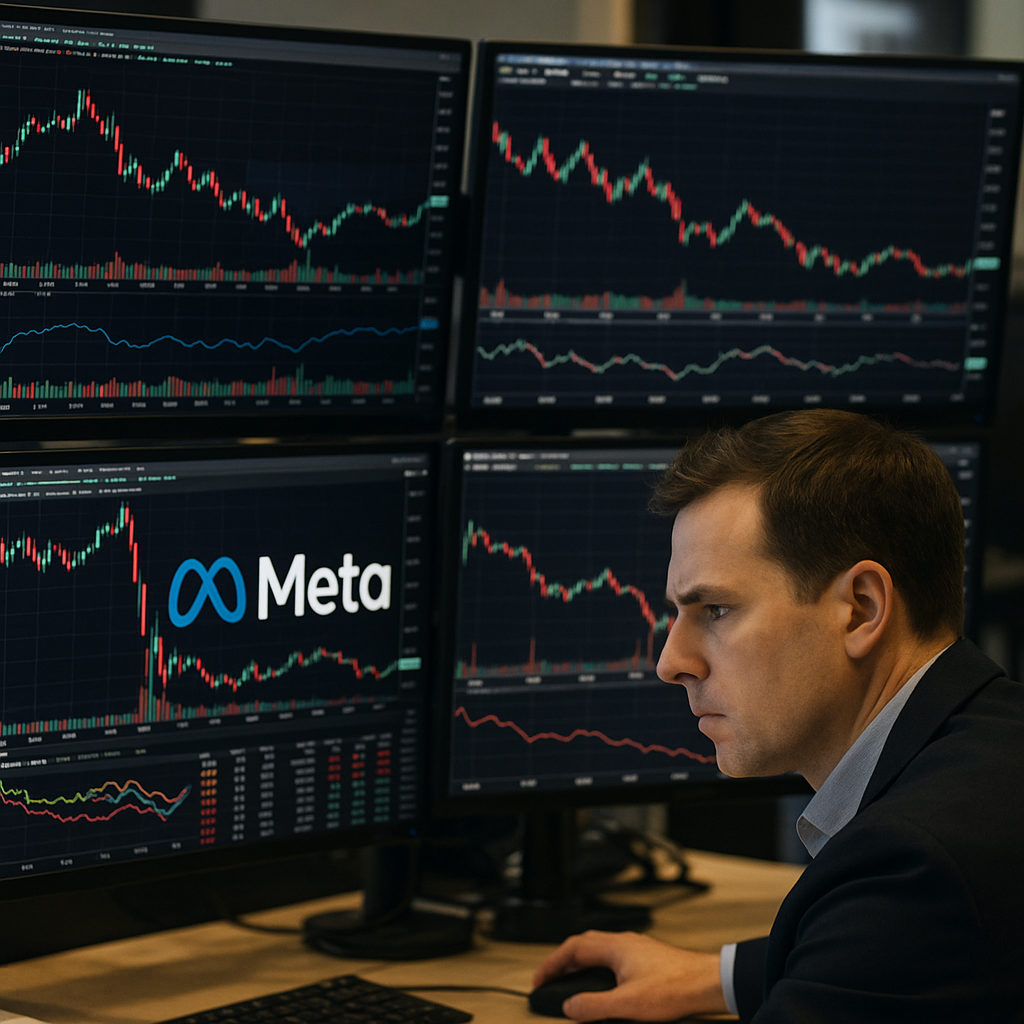
“Everyone is unhappy; the only people who are not unhappy are, literally, executives,” one Instagram employee reportedly told WIRED. Distressingly for Meta’s corporate culture, some employees are reportedly hoping to be laid off to take advantage of severance packages involving 16 weeks of pay and extended health care coverage.
Backlash Against a ‘Lean Operating Model’
This isn’t the first time Meta has wielded its “lean operating model.” The term became synonymous with austerity during the “Year of Efficiency” in 2023, which saw job cuts total 21,000 across multiple waves. With economic uncertainty lingering over the tech sector, Meta has framed such measures as forward-thinking. In a town hall, Zuckerberg himself reportedly linked the current layoffs directly to AI costs, refusing to rule out additional reductions later in 2026.
Still, the rationale hasn’t quieted critics. As TechCrunch reported, industry observers argue that announcements like this create a toxic loop where employees feel undervalued, even as the company thrives financially. Sheila Morgan, a tech analyst with Capitol Futures Group, noted, “The optics are brutal—it’s hard to square billions in profit next to thousands of pink slips. Meta risks eroding its long-term talent pipeline.”

AI Investments: The Double-Edged Sword
Meta’s pivot to artificial intelligence is both its boon and its burden. With AI shaping industries ranging from social media to ecommerce, Meta has made staggering commitments to outpace competitors like Alphabet and Amazon. According to Susan Li, Meta’s chief financial officer, investments in AI infrastructure account for the majority of the company’s capital expenditures this year.
However, rapid scaling and financial reallocation come at a steep cost. As WIRED discussed, employees are increasingly frustrated with being sidelined in favor of AI-centric projects. Tech enthusiasts also question whether these adjustments risk spreading the company too thin. “It’s clear Meta sees AI as the future, but sacrificing organizational health to get there isn’t sustainable,” said Morgan.
Implications for Meta Employees and the Tech Sector
For Meta employees, the immediate fallout is clear: job insecurity, waning morale, and a growing disconnect between workers and executives. Worse, these sentiments aren’t isolated to Meta alone. Similar downsizing moves have rippled across the tech world, with Amazon, Salesforce, and Google making comparable cuts in recent months. The broader implications may signal a cooling-off period for the tech labor market after years of explosive growth.
For Meta, however, an added risk is reputational damage. With thousands of layoffs becoming routine, the company is increasingly perceived as prioritizing profits over people—a sentiment that could make attracting top talent challenging in the long term.

What’s Next?
All eyes will be on Zuckerberg and Meta’s leadership team in the coming months to see whether further cuts are announced or whether internal restructuring will stabilize. Beyond the immediate term, Meta needs to demonstrate that aggressive AI investments will pay off without undermining its human capital or alienating its user base.
For industry observers, it’s a cautionary tale of balancing innovation and sustainability, and for tech workers, a reminder that no company’s success is impervious to tough times. As Morgan succinctly put it, “Meta’s future may look bright, but its present is riddled with shadows.”