Images chosen by Narwhal Cronkite
US Agents Arrest Tourist After Rock Hurled at Hawaii Monk Seal’s Head
A shocking incident in Hawaii involving a tourist and an endangered monk seal has reignited discussions concerning wildlife protection laws and the role of tourism in delicate ecosystems. The tourist was taken into custody by U.S. agents after a video surfaced showing them hurling a rock at the head of a monk seal resting on the beach—a deeply troubling event considering the precarious status of this species. As governments, conservationists, and the tourism sector attempt to reconcile human activity with nature, questions about accountability and enforcement loom large.
The Incident: A Stark Reminder of Tourist Responsibility
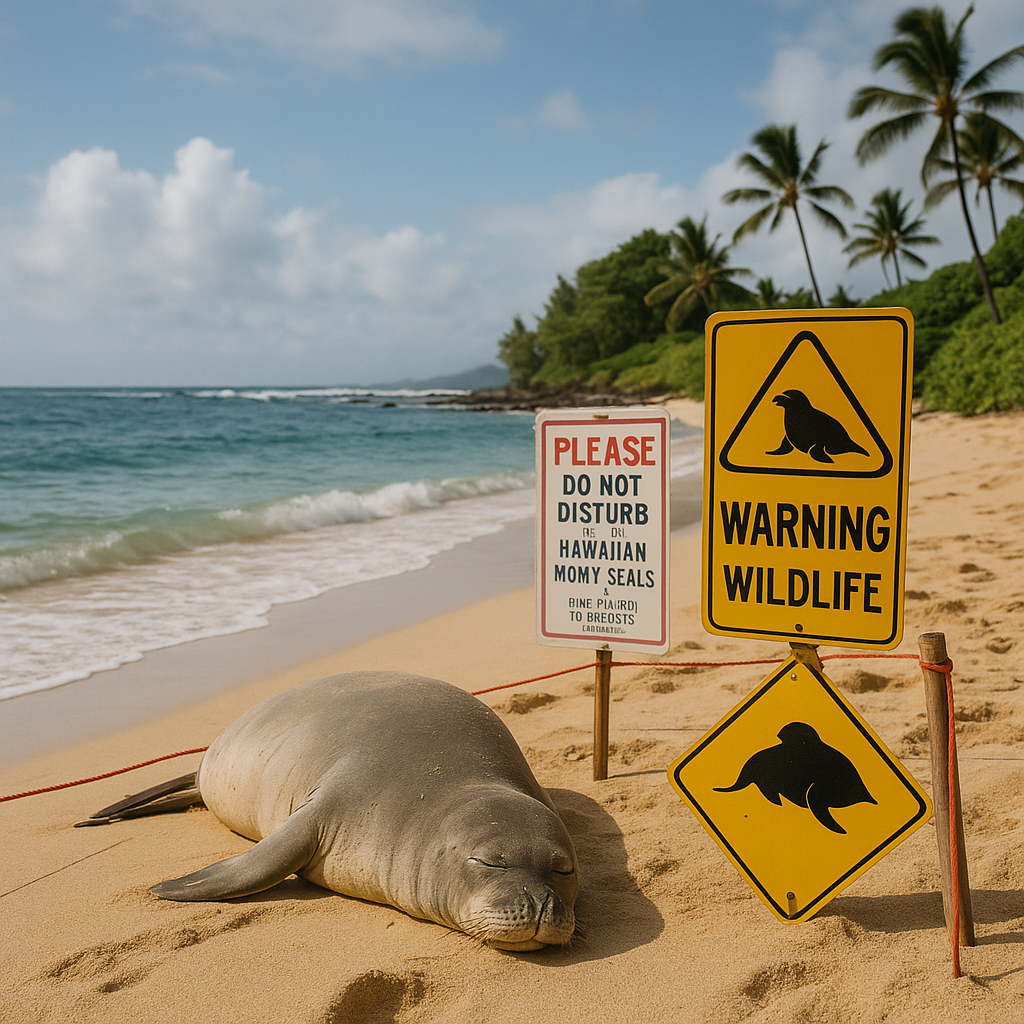
The now-viral video, reportedly taken by a bystander, captures the tourist throwing a rock directly at a monk seal lying on a beach in Hawaii. These seals, officially listed as “endangered” under the Endangered Species Act, have been protected with increased vigilance in recent years. The incident prompted outrage among locals and conservationists alike, sparking immediate response from authorities and renewed emphasis on preserving Hawaii’s fragile environment.
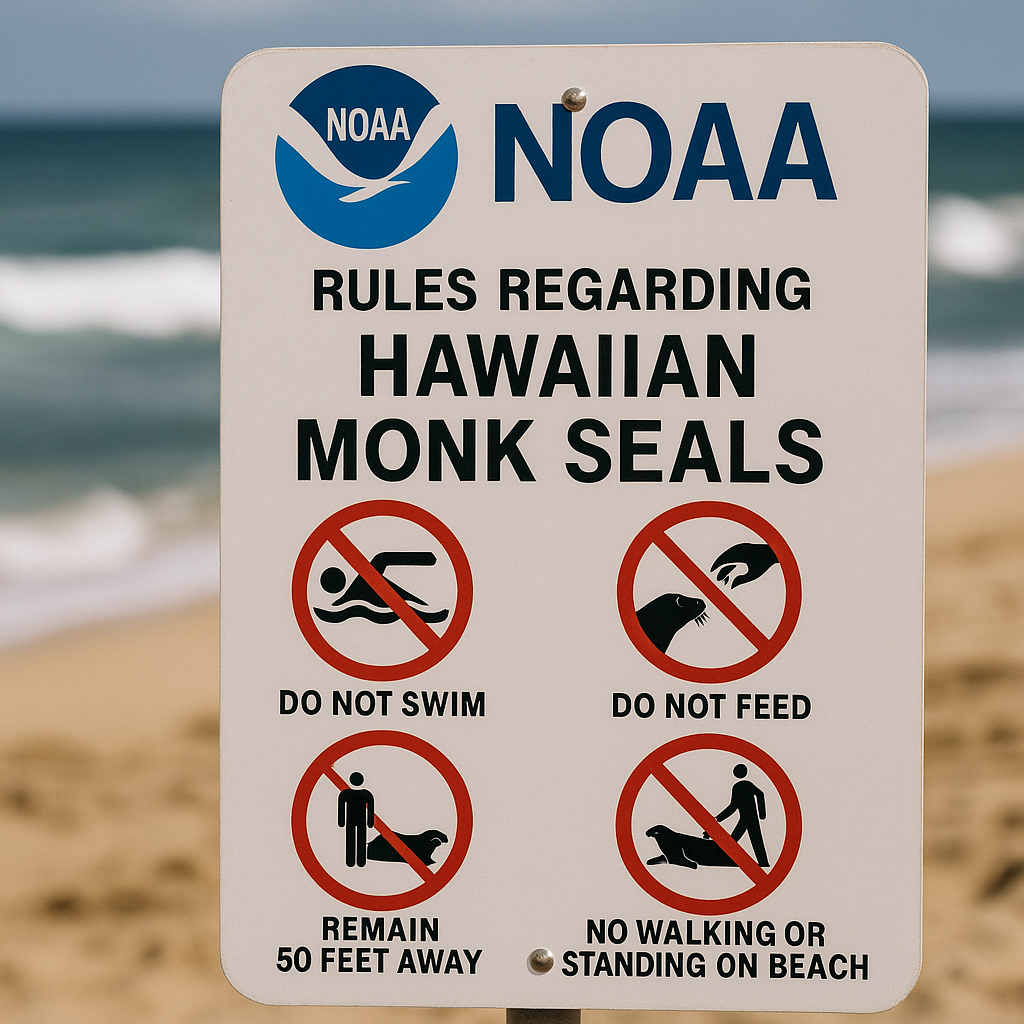
The attack follows broader concerns over the behavior of some tourists in ecologically sensitive areas, with calls for stricter measures to teach visitors about local wildlife laws. According to the National Oceanic and Atmospheric Administration (NOAA), only around 1,500 Hawaiian monk seals are believed to remain in the wild. The agency highlights that deliberate actions such as this can not only harm the species but also undermine the millions of dollars spent on conservation efforts.
Tourism’s Double-Edged Sword
Conservation and tourism are often caught in a delicate balancing act, particularly in tropical destinations like Hawaii, where natural beauty is both a cherished resource and a major economic driver. On the one hand, tourism brings billions of dollars to the state annually, providing jobs and funding for community programs. On the other, an influx of visitors can put immense pressure on ecosystems ill-equipped to handle excessive traffic, pollution, or reckless activity.
Industry observers point to the incident in Hawaii as symptomatic of a larger issue: the tension between encouraging tourism and maintaining environmental responsibility. Dr. Miriam Konrad, a wildlife policy expert, underscores this dichotomy, noting, “Tourists must understand they are entering environments that exist on the brink—whether it’s stepping into coral habitats or observing endangered species. There’s a moral and ecological obligation here.”
Critics argue that existing measures to educate tourists on respecting the environment often fall short. For instance, tours and hotels may highlight safety tips or cultural customs yet fail to properly inform guests about interacting with wildlife. As Hawaii expands its efforts in marketing ‘responsible tourism,’ such incidents expose the remaining gaps.
Legal Consequences and Public Reaction
U.S. agents moved swiftly to apprehend the accused tourist, indicating that violating protections for endangered animals has serious consequences. Penalties under the Endangered Species Act can include fines up to $50,000 and even imprisonment. State officials have pledged to collaborate with federal agencies to ensure cases like this serve as necessary deterrents.
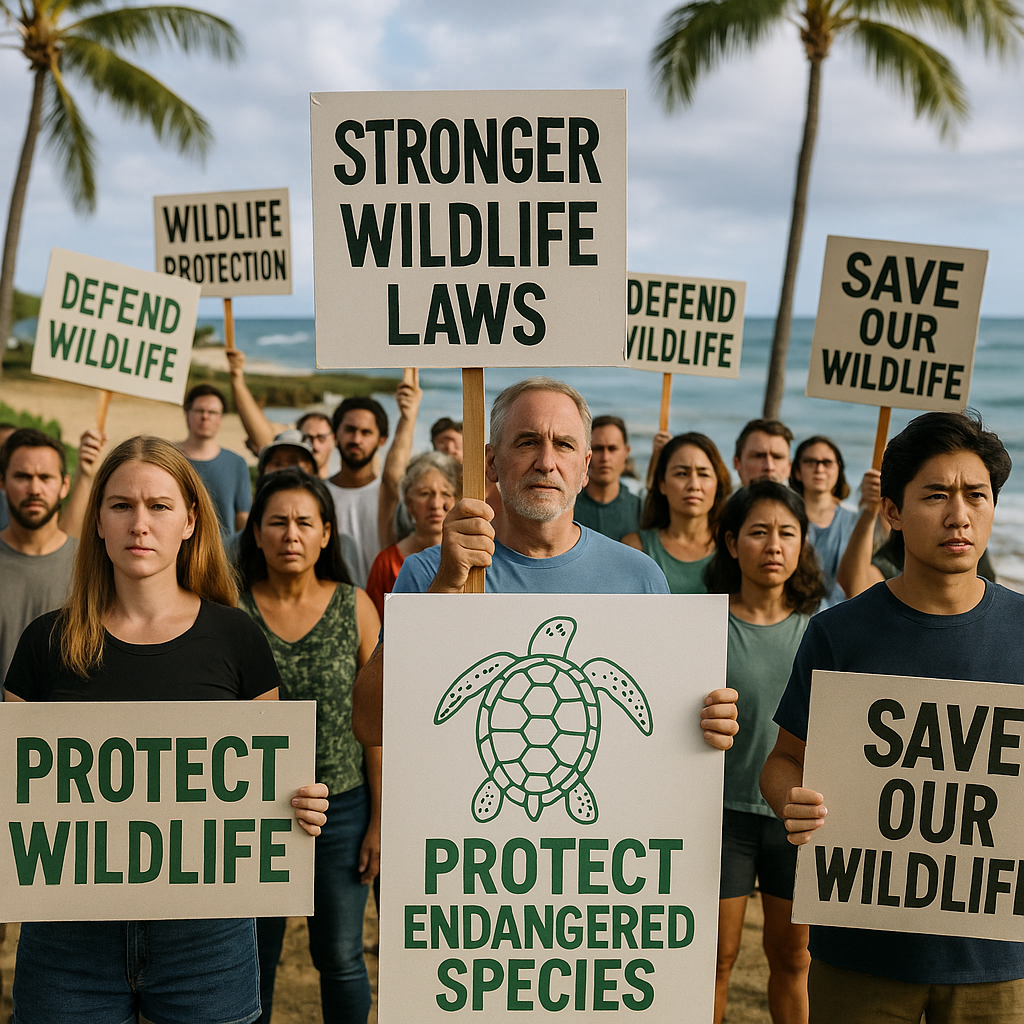
Public reaction has been intense, with both condemnation for the individual involved and broader frustration about the enforcement of wildlife protection laws. “It’s not just about one person breaking the rule but about a system that allows repeat offenders,” said Lani Asuak, a volunteer with a local conservation organization in Honolulu. Many are now calling for stronger surveillance measures, improved signage on beaches, and mandatory tutorials for tourists when entering protected areas.
The wider public discourse ties this high-profile case to growing debates on federal enforcement protocols, particularly given recent clashes between ICE (Immigration and Customs Enforcement) agents and communities elsewhere. As reported by The Gothamist, protests erupted in New York following the arrest of a Nigerian immigrant, drawing attention to controversies surrounding the methods and priorities of federal agents. Meanwhile, The New York Post highlighted a counter-narrative critical of local attempts to obstruct ICE operations. These broader enforcement issues often intersect with environmental cases, illustrating the complexities of federal jurisdiction in modern America.
Broader Implications for Wildlife Conservation
One key takeaway from this incident is the urgent need to amplify conservation education. Experts suggest leveraging multimedia campaigns, online booking platforms, and social media to make regulatory details impossible to ignore for incoming tourists. For example, including mandatory educational videos on flights to Hawaii or before hotel check-ins could raise awareness about proper behavior in sensitive areas.
At the governmental level, partnerships between federal, state, and local authorities could streamline efforts, especially in regions where federal wildlife laws intersect with native communities’ conservation priorities. Dr. Konrad suggests, “Hawaii has a unique opportunity to become a global role model for sustainable tourism—should it adopt groundbreaking policies that enforce respect for local ecosystems.”
What to Watch For Next
With the Hawaiian monk seal attack now in the national spotlight, the question becomes whether authorities will make significant changes in response. The state has already indicated it will cooperate with NOAA and other agencies to increase both monitoring and educational initiatives. Additionally, the legal ramifications for the tourist involved could set important precedents about how seriously federal courts view such cases moving forward.
Beyond this, eco-tourism operators and local advocacy groups are likely to push for new innovations, such as drone-based surveillance of sensitive areas or mandatory environmental workshops in popular tourist hotspots. As Hawaii adapts its approach, other destinations with similarly fragile ecosystems—from the Galápagos Islands to Thailand’s coral reefs—might take note.
Ultimately, incidents like this highlight the urgent need to reframe tourism as a privilege rather than a right—one contingent on respecting the people, animals, and landscapes that make destinations unique. As this case unfolds, the hope remains that it will lead to meaningful reform, ensuring that dwindling species like Hawaiian monk seals are given the space they deserve to thrive.