Images chosen by Narwhal Cronkite
Turns Out, Nobody Wants a Data Center in Their Backyard
As AI advances and the demand for powerful computational facilities increases, the expansion of data centers is becoming a key focus for tech giants. Yet, while they promise cutting-edge infrastructure to power the digital age, a harsh reality has emerged: local communities are pushing back hard. Recent surveys and political developments suggest that these high-tech hubs are becoming the latest battleground in urban development debates.
The Growing Antipathy Toward Data Centers
Data centers, often dubbed the “nerve centers” of the internet, house complex arrays of servers that process colossal amounts of data. They are indispensable for training artificial intelligence models, supporting cloud services, and processing real-time data streams. However, their physical presence is far from universally welcomed.
A recent Gallup poll underscores the growing opposition. The survey revealed that seven out of ten Americans would oppose the construction of a data center in their area, with nearly half voicing strong disapproval. Critics cite issues like noise from cooling systems, pollution from diesel and natural gas generators, and the centers’ heavy resource demands as reasons for their resistance. According to Gallup, not only are they energy-intensive, but they offer relatively few job opportunities compared to their multibillion-dollar investments.
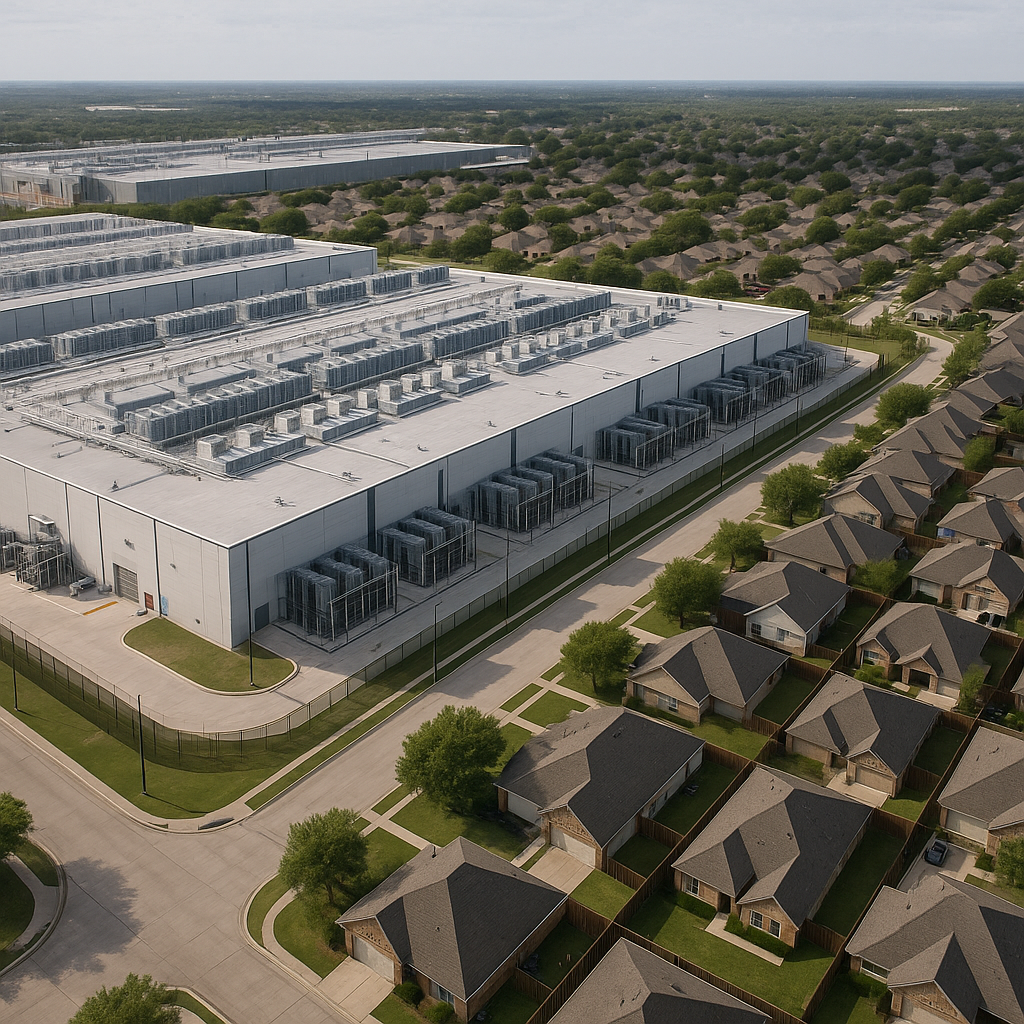
Data centers also require vast amounts of water for cooling purposes, straining local resources in towns that may already be combating drought or low water reserves. Industry observers warn that while tech infrastructure is essential, its encroachment into residential areas threatens ecosystem stability and community well-being.
Political and Organizational Pushback
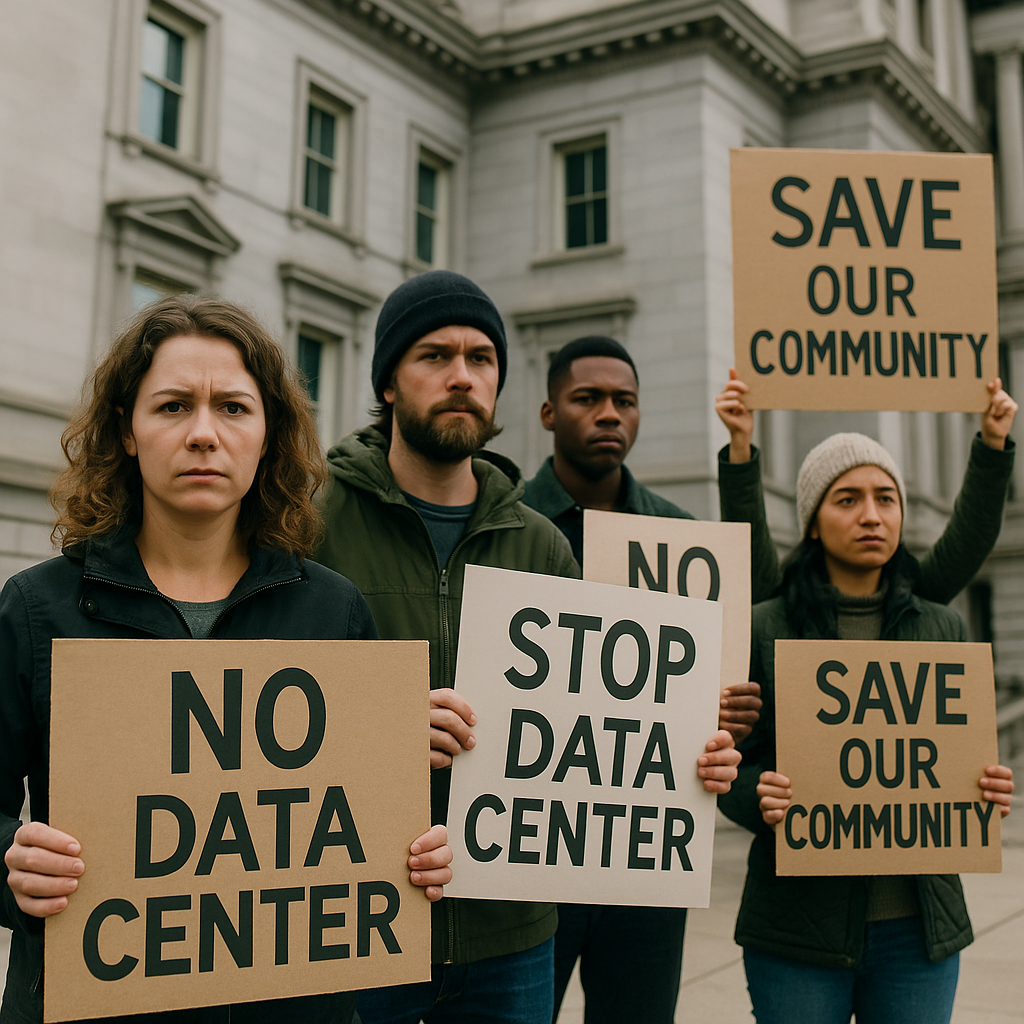
It’s not just individuals expressing concern. Organized opposition has grown rapidly, becoming both vocal and effective. Data Center Watch, an industry analytics project, has reported the cancellation of over $156 billion worth of data center infrastructure due to local resistance. Meanwhile, a newly launched platform, the Data Center Opposition Report, claims there are now over 268 grassroots groups across 37 states rallying against such developments. These groups represent upward of 300,000 people collectively working to reconsider and revise zoning policies that allow data center placement near residential areas.
The political angle cannot be ignored. Some developers and investors have attempted to minimize criticism, with notable figures like Kevin O’Leary dismissing opposition as “professional protesters” or foreign-political operatives—a stance that has sparked further ire among community organizers. According to industry experts, such rhetoric does little to address the underlying issues and only exacerbates tensions.
Why These Data Centers Are a Hard Sell
The hesitations surrounding data centers stem from a combination of environmental, economic, and social factors. One major concern is their energy consumption. Modern computational facilities handling AI workloads often draw on gigawatts of electricity—equivalent to powering tens of thousands of homes. Critics question whether green energy transitions within these facilities can truly offset their overall carbon footprint.
The jobs argument also holds little weight for opponents. Unlike industries such as manufacturing or retail, data centers don’t require large workforces. Even billion-dollar facilities often operate with skeleton crews of engineers and IT specialists, leaving communities to wonder what tangible benefits they stand to gain.
Additionally, aesthetic issues play a role. Massive, nondescript structures spread across hundreds of acres can diminish the visual appeal of an area. Combined with noise pollution, lower air quality, and limited tax contributions, these factors create a “perfect storm” of reasons for people to resist living near data centers.
A Global Trend With Wide-Ranging Implications
While this opposition may seem uniquely American, similar concerns are surfacing worldwide. Recent reports from Europe and Asia have noted increasing community challenges to hyperscale data centers proposed by international tech companies. As noted by Wayne Bell of Skyscanner during an InfoQ presentation, scaling infrastructure to meet future needs requires both technological and cultural shifts. Balancing innovation with environmental considerations remains central to the debate.
Meanwhile, some governments are piloting measures to mitigate the controversy. For example, Oregon State University has partnered with Metrum AI to develop AI-powered sustainability protocols for water usage in data centers, according to StorageReview.com. These initiatives could serve as templates for broader reform—but only if local communities see tangible results first.
What Happens Next?
The future of data center expansion may hinge on a delicate balance between technological needs and community concerns. For investors and developers, it’s clear that addressing these issues will require new strategies. From consultations with local stakeholders to adopting greener technology, success may depend on their willingness to collaborate rather than impose.
Furthermore, legislators at the federal and state levels may need to step in to establish guidelines for sustainable data center development. Without these frameworks, the risk of prolonged legal battles and costly delays remains high.
As global demand for AI applications grows exponentially, communities, governments, and organizations must work together to create solutions that minimize harm while enabling innovation. Observers will be watching for developments in how industry giants like Oracle, OpenAI, and Microsoft adapt their strategies in response to mounting resistance.
The challenge ahead lies in redefining what “progress” looks like—not just for tech moguls or bottom lines, but for the communities that bear the brunt of this infrastructural shift.