Images chosen by Narwhal Cronkite
Maldives Diver Dies in Tragic Underwater Recovery Effort: What Went Wrong?
The world of scuba diving, typically associated with adventure and tranquility, was rocked by tragic news when a Maldives military diver lost his life during an operation to recover the bodies of victims involved in a fatal dive into a deep underwater cave. The incident, which claimed the lives of five Italian nationals, including distinguished marine researchers, underscores the risks associated with underwater exploration and raises critical questions about diving safety and protocols.
Scuba Diving Turns Fatal: What We Know About the Vaavu Atoll Tragedy
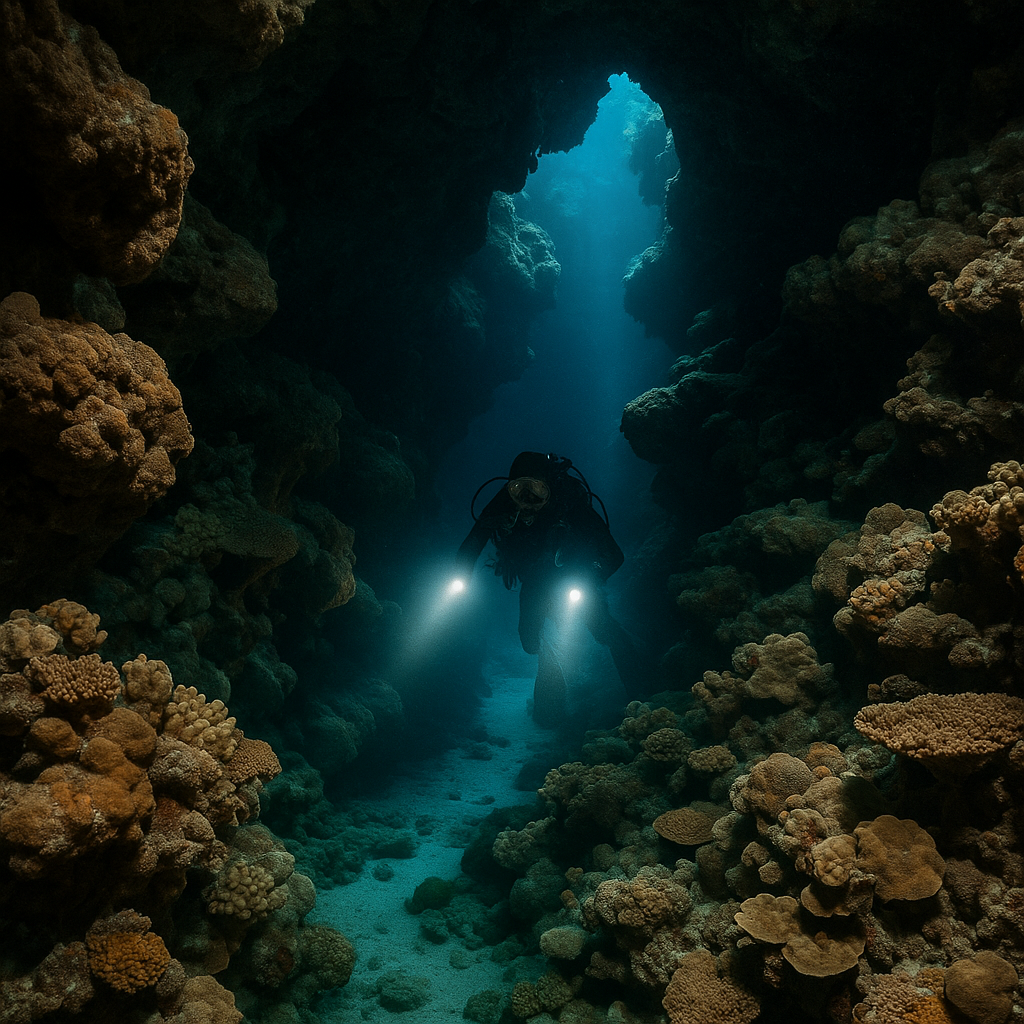
The tragedy unfolded last Thursday at the Vaavu Atoll, a popular diving destination in the Maldives known for its stunning underwater landscapes and complex cave systems. According to the Maldives National Defense Force, the group of Italian divers went missing while exploring a cave approximately 200 feet deep and 200 feet long. Italy’s Foreign Ministry identified the victims as marine scientist Monica Montefalcone, her daughter Giorgia Sommacal, research fellow Muriel Oddenino, marine biologist Federico Gualtieri, and diving instructor Gianluca Benedetti.
One body was recovered from the cave, but the remaining four victims are presumed to be trapped inside. The rescue mission, already fraught with challenges, took a devastating turn when Maldives military diver Sergeant Major Mohamed Mahudhee fell sick and succumbed during recovery operations. The search was suspended shortly afterward due to deteriorating weather conditions, marking a sobering end to a high-risk effort.
Exploring Caves: A High-Stakes Adventure
Cave diving is often described as one of the most hazardous forms of scuba diving, requiring specialized training, expertise, and equipment. An underwater cave’s unpredictable conditions—including low visibility, tight spaces, and strong currents—can quickly overwhelm even seasoned professionals.
Benoît Pigot, a veteran cave-diving instructor, states, “What sets cave diving apart is its unforgiving nature. Even minor errors—like equipment failure or misjudging water conditions—can escalate into life-threatening situations due to the lack of direct access to the surface.” The Vaavu Atoll caves appear idyllic on the surface, but their hidden complexities make them potential danger zones if not approached with meticulous planning.
The Human Cost Behind the Beauty
Compounding the tragedy is the academic and professional legacy of the victims. Monica Montefalcone and Federico Gualtieri were marine scientists dedicated to advancing ecological knowledge. Montefalcone in particular had won international recognition for her work on marine ecosystem conservation.
The Italian National Institute of Geophysics and Volcanology shared its condolences while celebrating the achievements of the deceased. “The work Monica and her colleagues undertook has fundamentally shaped our understanding of marine biodiversity,” the institution remarked.
This incident not only robbed their families of loved ones but deprived the scientific community of promising minds committed to environmental protection.
Lessons for the Global Diving Community
While diving accidents are rare, this event highlights a crucial question: are safety measures sufficient for diving in extreme environments? Several factors are worth analyzing. Did the divers have the necessary technical training and permits for cave diving? Was proper risk assessment conducted before the expedition? Insights from organizations such as Divers Alert Network (DAN) could play a critical role in improving global safety standards.
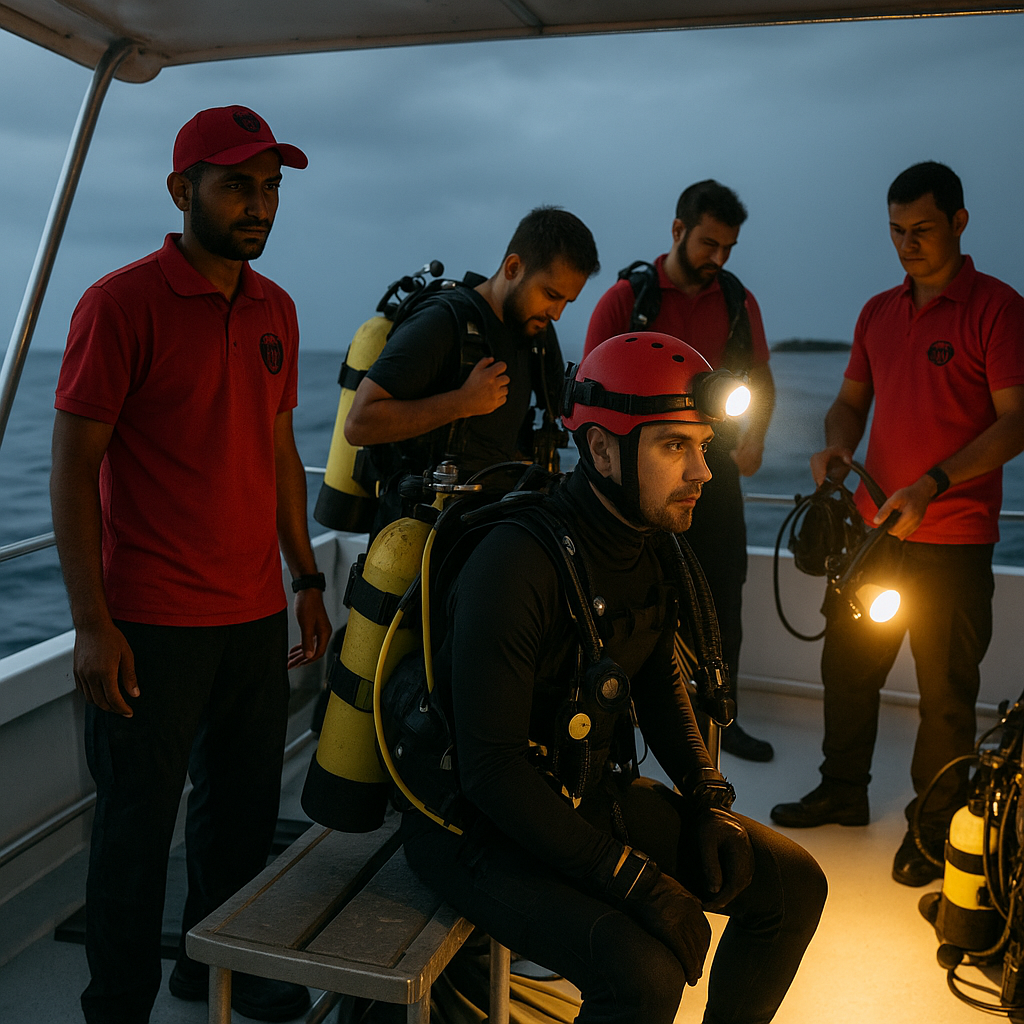
Additionally, the fatality of Sergeant Major Mahudhee raises concerns about emergency preparedness and recovery protocols. Military divers often undergo rigorous physical and technical training, but scenarios like prolonged exposure at depth or insufficient oxygen supply pose latent risks.
Implications and Future Watch
This tragedy has set off alarms for both hobbyists and professionals in the diving community. Increased regulation of high-risk diving zones, improved training programs, and advanced recovery technologies might be essential to preventing similar disasters. The Maldives, as one of the world’s premier diving destinations, may also explore implementing stricter safety guidelines for divers and the companies that offer diving tours.
The Maldives National Defense Force continues to face mounting pressure to recover the remaining bodies under challenging conditions, with the world watching and grieving alongside the affected families.
As recreational diving becomes increasingly popular, industry authorities will need to re-evaluate existing safety protocols while continuing to educate divers about the specific hazards that come with underwater caves. Only then can exploration coexist sustainably with safety and minimal human cost.