Images chosen by Narwhal Cronkite
42 Aircraft Lost or Damaged in Operation Epic Fury, Congressional Report Reveals
Why did the U.S. Air Force lose over 40 aircraft in a conflict that many called a limited engagement? That’s the stark question facing policymakers in the aftermath of Operation Epic Fury, a military initiative that escalated the U.S. conflict with Iran earlier this year. According to a congressional report, 42 aircraft were either destroyed beyond repair or significantly damaged during the operation, painting a grim picture of the campaign’s toll on military resources.
This revelation comes at a time of strained budgets and political debate over the true economic cost of this latest chapter in U.S. military history. As lawmakers and analysts weigh the implications, several key factors demand close scrutiny.
The Human and Material Cost of Combat
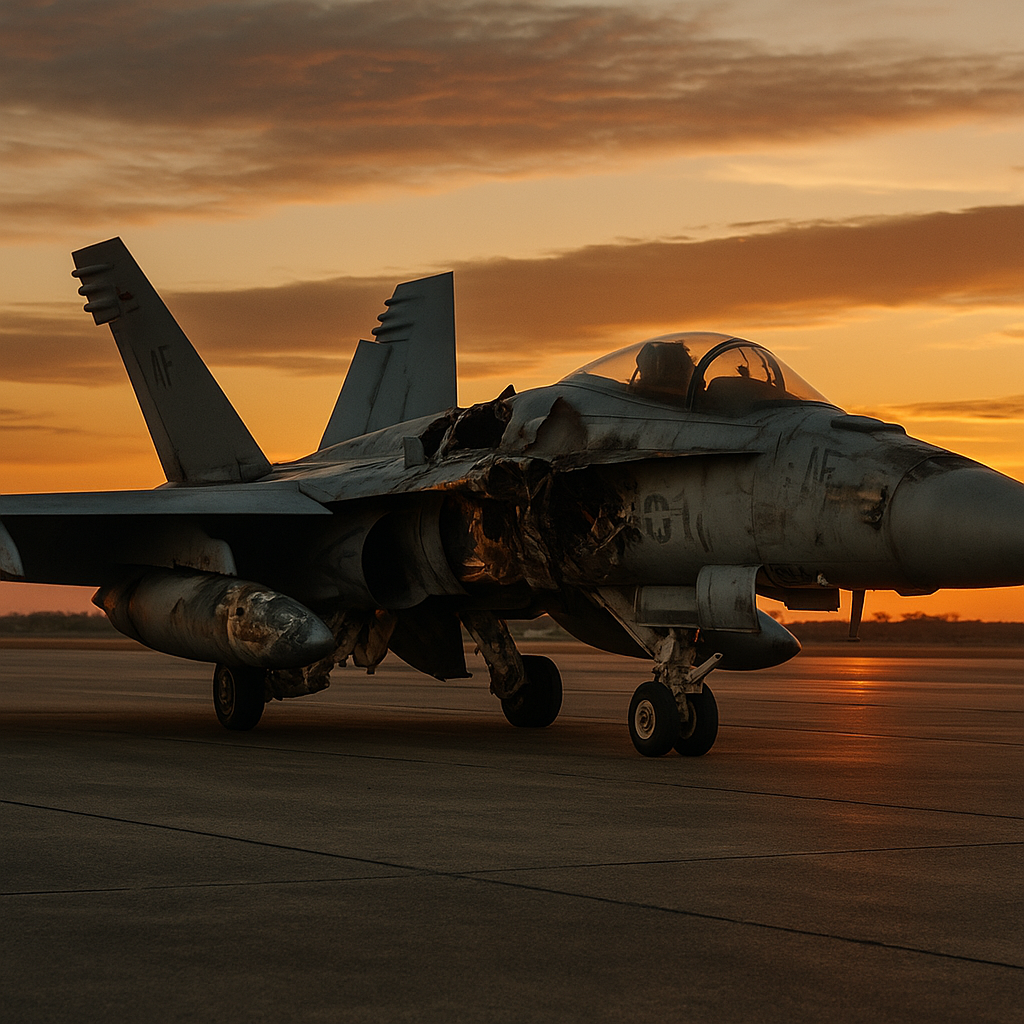
The new data underscores the high cost of direct military conflict, not just financially but operationally. The 42 aircraft losses include a mix of fighter jets, surveillance planes, and transport crafts, each playing a critical role in U.S. military operations. While the congressional report does not specify how many of these aircraft were destroyed in combat versus incidents like mechanical failure, industry observers have noted that high-intensity warfare often places immense strain on equipment and logistics.
General Charles Q. Brown Jr., the Air Force Chief of Staff, recently remarked at a Defense One forum, “We have to understand that every aircraft lost isn’t just a piece of hardware—it’s a loss of strategic capability.” He further added that replacing equipment will require time, resources, and bipartisan congressional support.
The Shadow of Budgetary Constraints
Even before Operation Epic Fury, the Department of Defense faced concerns about its budgetary outlook. A recent CBS News investigation noted that the original cost estimate for the conflict in Iran stood at $25 billion. However, senior Pentagon officials now suggest that figure could be closer to $50 billion once hidden expenses, such as equipment repairs and ammunition replenishment, are tallied. These higher-than-expected costs could further complicate negotiations over the $1.5 trillion defense spending request currently before Congress.
According to Defense One, the supplemental funding required to replace the lost aircraft has not yet been included in the 2027 defense budget. For lawmakers, securing bipartisan agreement on this funding could be a politically fraught process, especially as concerns over fiscal responsibility dominate domestic discussions.
Experts say that the magnitude of these expenses also runs the risk of overshadowing debates about broader military strategy. As one analyst described it, “The focus has become whether or not we can afford these losses, but the real question should be whether the losses were preventable in the first place.”
Strategic Implications for U.S. Military Strength
Outside of budgetary concerns, the reported losses hold significant implications for the Air Force’s operational capacity. Advanced aircraft like the F-35 Lightning II, which reportedly played a significant role during the operation, cannot be replaced quickly or cheaply. Training new pilots and upgrading facilities to accommodate advanced models will take years, even with expedited funding.
Military analysts warn that diminished air capabilities could create vulnerabilities in other theaters of operation. Michael T. Klare wrote in The Nation, “America risks overextending its forces. Should another major event occur in Europe or the Pacific, the U.S. may not have the resources to respond effectively.”
This concern is magnified by strained diplomatic dynamics in critical regions like the Strait of Hormuz, where ensuring secure shipping routes has become another pressing issue. Fox News reporter Jennifer Griffin highlighted the political standoff in preventing further disruptions in oil shipments, remarking, “The geopolitical risks extend far beyond the battlefield. The entire global energy market hinges on what happens in the Strait.”

Lessons for Future Military Engagements
The events of Operation Epic Fury have already reignited debates about the U.S.’s approach to military strategy. Critics argue that air losses of this magnitude expose vulnerabilities in mission planning and risk over-reliance on high-cost technology. Conversely, defense officials emphasize the value of continuing to innovate in air combat as the dynamic global threat landscape evolves.
“The losses in Iran could serve as a wake-up call for the Air Force to reevaluate how we manage risk and operational planning,” said Jessica Hardin, a military logistics researcher at a prominent think tank. “But the key takeaway is that balancing preparedness against cost is only going to become more complicated.”
The military’s internal assessments of Epic Fury are expected to address whether key intelligence or logistical failures contributed to the losses. Meanwhile, Congress continues to request detailed breakdowns from the Department of Defense on everything from operational expenses to repair timelines.
Looking Ahead: What to Watch
With the next defense budget hanging in the balance, the Air Force’s ability to regain lost capabilities remains uncertain. Industry experts suggest that replacing the destroyed aircraft could take upwards of five years—and even longer without immediate funding support. Additionally, increased transparency from the Pentagon will likely play a critical role in shaping public opinion on continued involvement in the region.
As talks around the Strait of Hormuz reveal increasing geopolitical complexities, the U.S. faces mounting pressure to demonstrate both strategic resolve and fiscal responsibility. Whether policymakers can walk this fine line amid growing questions around the true costs of conflict remains to be seen.
Ultimately, Operation Epic Fury will serve as a critical case study in the challenges of modern warfare, offering both hard lessons and a sobering reminder of the human and financial toll of global conflict.