European Union foreign policy chief Kaja Kallas issued a sharp demand for accountability on June 16, 2026, declaring that Russia must face war crimes charges after a missile strike hit a protected cultural heritage site in Kyiv. Kallas made the statement in response to the latest Russian attack on Ukraine’s capital, as reported by Lokmat Times.
The strike is not just a military provocation — deliberately targeting a UNESCO-recognized or nationally protected heritage site constitutes a war crime under international humanitarian law, specifically the 1954 Hague Convention for the Protection of Cultural Property in the Event of Armed Conflict. That legal detail gives Kallas’s demand teeth beyond rhetoric.
Kallas: Russia “Must Answer” for the Kyiv Heritage Strike
Kallas, who serves as the EU’s High Representative for Foreign Affairs and Security Policy, was unequivocal. She stated that Russia must answer for its actions and that the attack on a heritage site in Kyiv was not just an assault on Ukraine — it was an assault on the shared cultural memory of all Europeans. The EU’s top diplomat has consistently framed Russian strikes on civilian and cultural infrastructure as part of a deliberate pattern, not isolated incidents.
The strike adds to a long list of attacks on Ukrainian cities that international observers and prosecutors have flagged for potential war crimes investigation. The International Criminal Court, which already issued an arrest warrant for Russian President Vladimir Putin in 2023 in connection with the deportation of Ukrainian children, is widely expected to consider additional charges related to strikes on civilian infrastructure.
What Was Hit — and Why It Matters
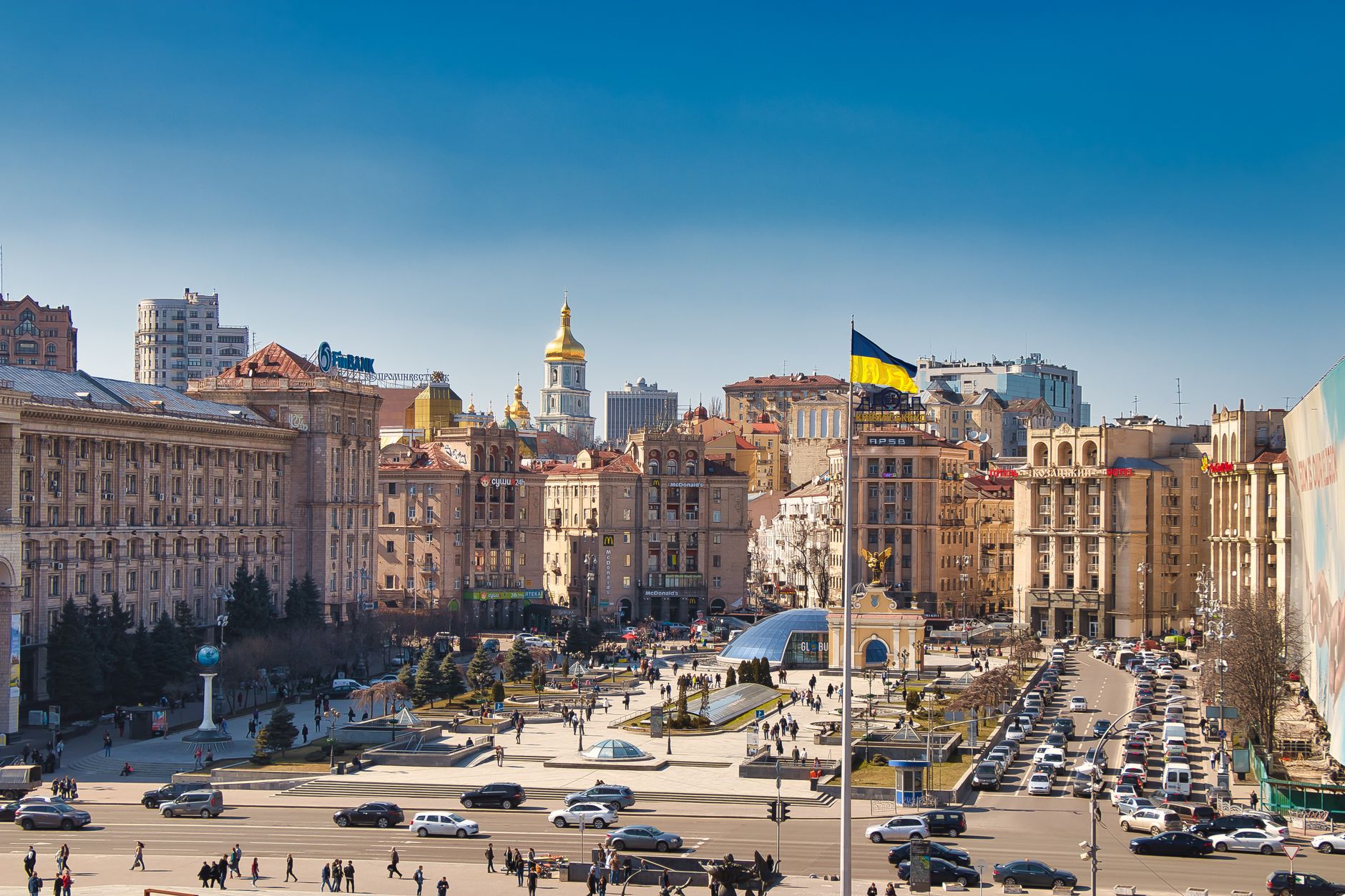
Kyiv’s historic core contains some of Eastern Europe’s most significant architectural and cultural treasures, including sites dating back more than a thousand years. Strikes on this area do not simply destroy buildings — they erase irreplaceable records of human history and Ukrainian national identity. Russia’s targeting of such locations has drawn particular condemnation from UNESCO and the wider international community throughout the war.
Ukrainian officials have documented hundreds of cultural sites damaged or destroyed since Russia’s full-scale invasion began in February 2022. Each new strike on protected property strengthens the evidentiary record that international prosecutors are assembling.
The EU has been one of Ukraine’s most consistent backers, providing financial aid, military equipment, and diplomatic support. Kallas, a former Estonian Prime Minister whose country borders Russia and has firsthand experience of Soviet occupation, has been among the most hawkish voices in Brussels on the need to hold Moscow accountable.
International Response and the Road to Accountability
The strike on Kyiv drew swift condemnation from multiple Western governments. EU member states have repeatedly pushed for a special tribunal to prosecute the crime of aggression against Ukraine — a charge the ICC currently cannot pursue against sitting heads of state. Progress on that tribunal has been slow, but attacks like this one re-energize political will behind the effort.
Ukraine’s right to defend its sovereignty and territorial integrity — including its cultural heritage — is firmly grounded in international law. The UN General Assembly has passed multiple resolutions demanding Russia cease its military operations and withdraw its forces. Russia has ignored every one of them.
For everyday Ukrainians, the destruction of heritage sites carries a particular psychological weight. These are not abstract policy objects — they are churches where families were married, squares where children played, and monuments that anchor a national identity Russia has long sought to erase. Protecting them is inseparable from protecting Ukraine itself.
The broader pattern of Russian missile attacks on urban centers has intensified scrutiny from human rights organizations including Amnesty International and Human Rights Watch, both of which have documented evidence of strikes on areas with no plausible military value. That documentation feeds directly into war crimes case-building at the ICC and other international bodies.
What Comes Next
Kallas’s statement signals that the EU intends to keep war crimes accountability at the top of its diplomatic agenda — not let it slip into background noise alongside ongoing ceasefire discussions. The bloc is expected to raise the issue formally at the next UN Security Council session, though Russia’s veto power there remains a structural obstacle.
Meanwhile, the attack underscores why security guarantees — not just a pause in fighting — remain the central demand of Kyiv and its allies. As impunity for documented violations erodes international norms in multiple arenas, the pressure on Western governments to enforce accountability rather than merely condemn is growing louder.
For now, the rubble in Kyiv stands as both evidence and a challenge: the world’s legal and political institutions will either rise to meet it, or Russia will read the silence as permission to continue.