Keir Starmer has announced his resignation as UK Prime Minister and leader of the Labour Party, CBS News reports, sending shockwaves through British politics and triggering an immediate scramble to find his successor. The announcement marks one of the most dramatic exits from 10 Downing Street in recent memory.
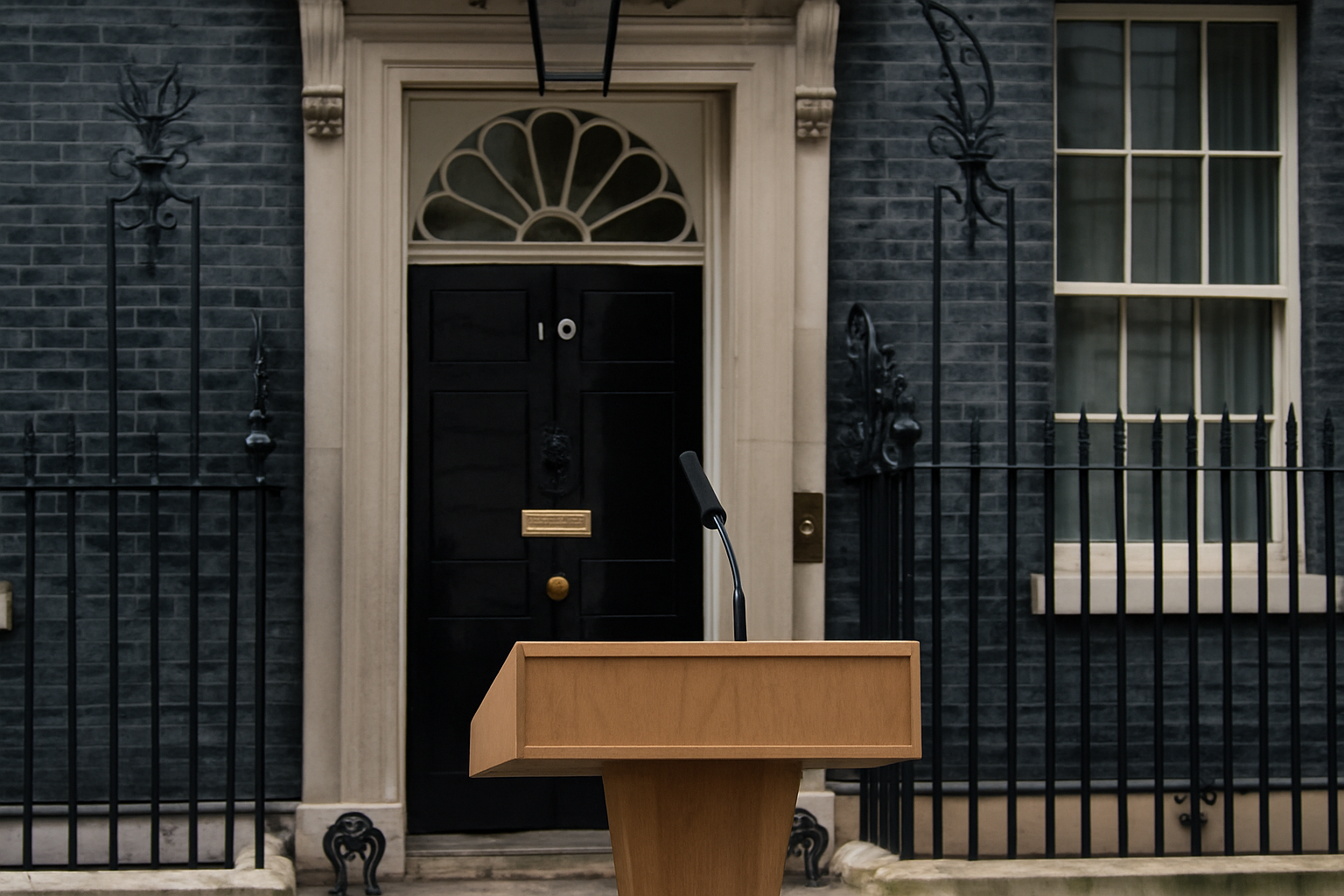
Starmer took office in July 2024 after Labour’s sweeping general election victory ended 14 years of Conservative rule — making his departure less than two years into what was widely expected to be a full parliamentary term one of the shortest tenures of a sitting Prime Minister in modern British history.
Keir Starmer Resigns: What Led to the Exit
Starmer’s time in office was plagued by a series of political crises that steadily eroded his authority within the Labour Party and his approval ratings among the British public. His government faced sustained criticism over economic management, public sector disputes, and a series of internal revolts from Labour’s left wing — tensions that had quietly built since his first months in power.
The resignation came after mounting pressure from within Labour’s own parliamentary ranks, with a significant bloc of MPs signaling they could no longer back his leadership. That internal collapse, rather than any single scandal, appears to have been the tipping point that pushed Starmer toward the exit.
Andy Burnham Emerges as a Leading Successor
The name generating the most immediate buzz in the Labour leadership race is Andy Burnham, the Mayor of Greater Manchester and a longtime senior figure in the party. Burnham is seen by many as a unifying candidate capable of bridging Labour’s fractious internal factions, and he already carries strong name recognition across the UK’s major cities.
Burnham has previously run for the Labour leadership — in 2010 and again in 2015 — giving him campaign experience that other potential candidates lack. His record running Greater Manchester, where he championed social housing, public transport reform, and a high-profile push for regional devolution, has kept him in the public eye even outside Westminster.
Other names being floated for the leadership include senior Cabinet ministers, though no formal candidates have declared as of June 22, 2026. Labour’s National Executive Committee is expected to set out a timetable for the leadership contest in the coming days.
What Happens to the Government Now
Under the UK’s constitutional system, a Prime Minister’s resignation does not automatically trigger a general election. Labour retains its parliamentary majority, meaning the party can choose a new leader who will then take over as Prime Minister without going back to voters — at least immediately.
A deputy or interim figure is expected to hold the premiership in a caretaker capacity while the Labour leadership contest runs its course. The contest itself could take several weeks or months, depending on the rules the party adopts and the number of candidates who enter the race.
The Conservative opposition is already calling for a general election, arguing that the British public deserves a say on who governs the country. Reform UK, which has been surging in national polls through 2026, is making a similar case — adding pressure on Labour to move quickly and present a credible new leader.
Reaction From Across the Political Spectrum
Reactions to the resignation landed swiftly. Within Labour, some MPs expressed relief that the uncertainty had ended, while others voiced concern about the party’s direction ahead of what could be a bruising leadership battle. Outside the party, commentators noted that Starmer’s departure leaves the UK without a settled government at a moment when domestic economic pressures remain acute and Europe is grappling with its own set of crises.
International observers, including allies in the European Union and the United States, are watching closely. The UK’s foreign policy posture — particularly on defense commitments, trade negotiations, and support for Ukraine — could shift depending on who replaces Starmer at the top of the Labour government.
What Comes Next
The next few weeks will define Labour’s trajectory for the rest of this parliament. The party faces a stark choice: move sharply left to recapture disaffected voters, or hold a centrist line and bet that stability is what the country wants. Burnham’s potential candidacy threads that needle — he is popular with left-leaning members but seen as electable by the party’s pragmatists.
For British politics watchers, the situation echoes past moments of sudden leadership collapse — but this time the stakes include a majority government that could, in theory, still deliver a full legislative agenda. Much depends on how quickly Labour can unite around a new face and whether that person can restore the public trust that Starmer, ultimately, could not hold.
Follow NarwhalTV for continuing coverage of the UK Labour leadership race. For more on ongoing global political shifts, see our breakdown of Iran walking out of Switzerland talks as international diplomacy continues to move fast in 2026.