Caucasus bison — a subspecies that vanished from the wild when the last individual was killed in 1927 — are producing calves again in the mountain forests where they once roamed, the United Nations Environment Programme reports. More than 25 wild-born calves have already been recorded in the reintroduction zone, a milestone that conservation teams had spent decades working toward.
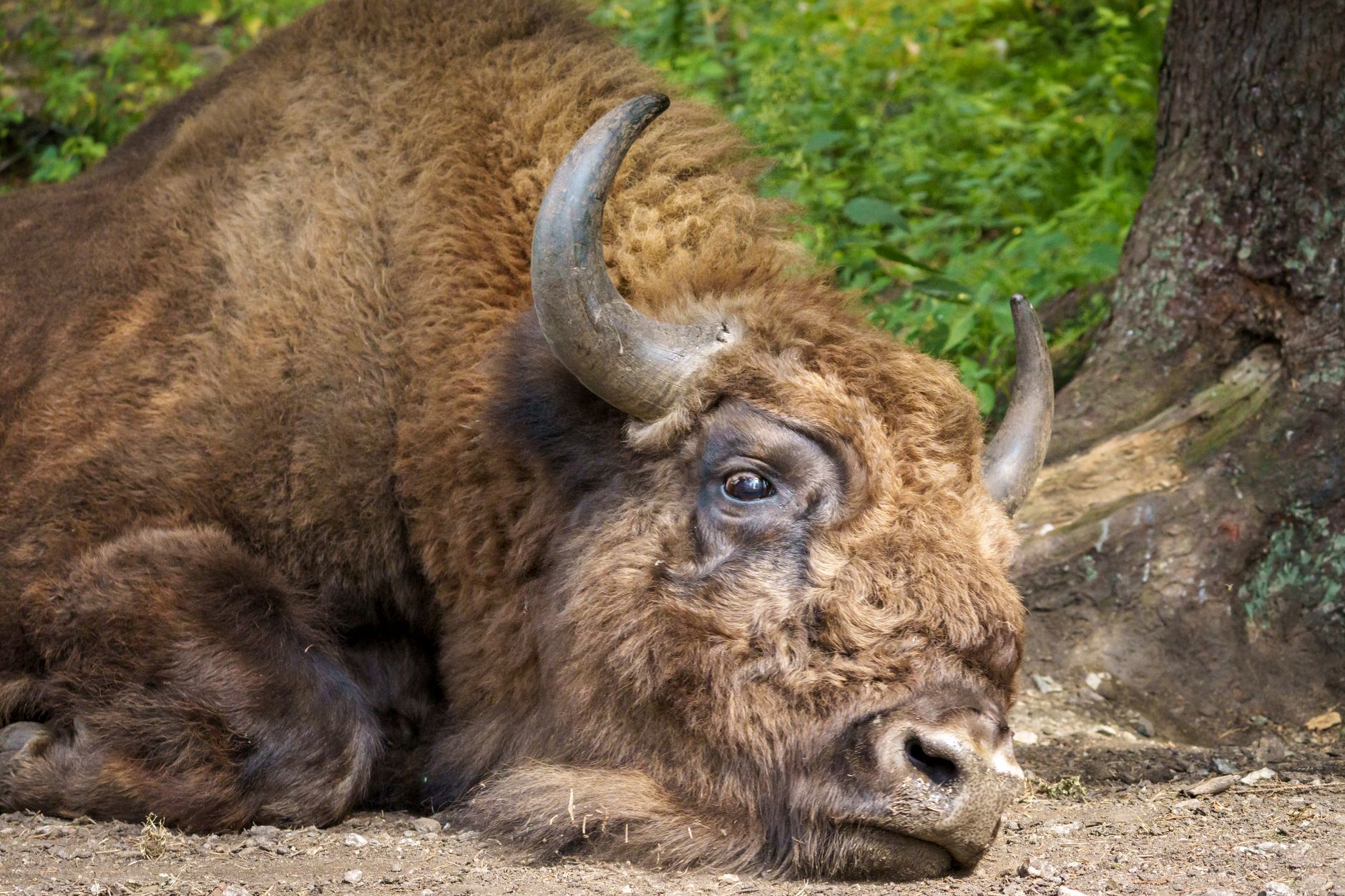
The animals were brought back through a program that released captive-bred Caucasus bison into protected reserves in the Caucasus mountain range, straddling parts of Russia, Georgia, and neighboring countries. What makes the calf count particularly striking is that these animals were born without any human assistance — entirely on their own in open terrain, not in an enclosure.
How Caucasus Bison Disappeared — and How They Came Back
The original Caucasus bison, a lowland-mountain subspecies of the European bison (Bison bonasus caucasicus), was hunted to extinction in the wild during the chaos following World War I. Poaching and habitat disruption decimated the population; the final wild individual was shot by a poacher in the Caucasus in 1927. Only a handful of captive animals survived, and all modern Caucasus bison descend from that narrow genetic bottleneck.
Recovery efforts began in the mid-20th century, when European zoos and breeding programs slowly rebuilt the captive population. The critical shift came when conservationists began releasing animals back into protected zones in the Caucasus. That process has accelerated over the past decade, with rewilding teams carefully selecting release sites based on food availability, predator pressure, and historical range data.
The bison are now living and breeding in the same mountain meadows and beech-forest edges their ancestors occupied for thousands of years — a genuine bison rewilding success in a region that rarely gets conservation headlines.
25 Wild-Born Calves Signal a Self-Sustaining Population
The 25-plus wild-born calves matter beyond a feel-good number. Wildlife biologists use natural reproduction in the wild as the threshold separating a “reintroduced” population from one that is genuinely self-sustaining. As long as calves depend on managed breeding or supplemental feeding, a species isn’t truly back. Free-range births in the Caucasus mean the animals are foraging, forming social groups, and raising young on their own — the full biological loop.
European bison, including the Caucasus subspecies, are classified as Vulnerable on the IUCN Red List, down from Extinct in the Wild just a century ago. That reclassification, driven by decades of species recovery work, is one of conservation’s clearest turnaround stories. The Caucasus population now adds a genetically and geographically distinct breeding group to that recovery picture.
Bison also function as ecosystem engineers. Their grazing patterns open up dense underbrush, creating habitat diversity that benefits dozens of other species — from ground-nesting birds to insects that depend on disturbed soil. Reintroducing a large herbivore at scale tends to ripple through an entire food web within a few seasons.
What the Reintroduction Program Still Faces
The comeback is real, but it isn’t finished. The Caucasus region presents genuine challenges that zoo-to-wild programs in more stable ecosystems don’t face: political boundaries that cut across the bison’s natural range, varying levels of anti-poaching enforcement between jurisdictions, and competition with livestock farming communities who use the same highland pastures in summer.
UNEP notes that community engagement — working directly with herders and local governments rather than around them — has been central to keeping the program viable. Without local buy-in, animals that wander beyond reserve boundaries face the same fate as their predecessors a century ago.
Climate is an additional variable. As temperatures rise across Central Asia and Europe, mountain ecosystems are shifting upward in altitude. Europe’s record-breaking 2026 heatwave underscored how rapidly those shifts can accelerate. Whether the Caucasus meadows that bison depend on remain productive through hotter, drier summers is a question conservationists are actively modeling.
Genetic diversity is also being tracked carefully. Because the entire captive lineage traces back to so few animals after the 1927 extinction, breeding managers still coordinate internationally to avoid inbreeding in newly released groups. That coordination — across zoos, governments, and NGOs — is as much of the achievement as the calves themselves.
A Blueprint Other Rewilding Programs Are Watching
The Caucasus bison program has drawn attention from wildlife managers working on other large-herbivore reintroductions across Eurasia. The combination of captive-breeding infrastructure, protected release zones, and cross-border political agreements is difficult to replicate, but the framework is being studied for potential application with species like the saiga antelope and the Przewalski’s horse in Central Asia.
Advances in understanding how psychoactive compounds affect neurological recovery — like the recent psilocybin research that helped an 80-year-old regain speech — show a similar pattern: science that spent years in narrow specialist circles suddenly producing real-world results once the conditions align. Bison rewilding followed the same slow-then-fast trajectory.
The next benchmark for the Caucasus program is reaching a population size — typically around 100 to 150 free-ranging individuals in a connected habitat — that wildlife biologists consider robust enough to survive without ongoing human intervention. With more than 25 calves already on the ground and breeding adults confirmed across multiple sites, that target is no longer theoretical.