A group of U.S. egg producers has agreed to pay $3.3 million in cash and donate 53 million eggs to food banks to settle allegations of price-fixing, according to the Associated Press. The settlement resolves claims that the companies coordinated to keep egg prices artificially high — squeezing both retailers and everyday shoppers at the grocery store.
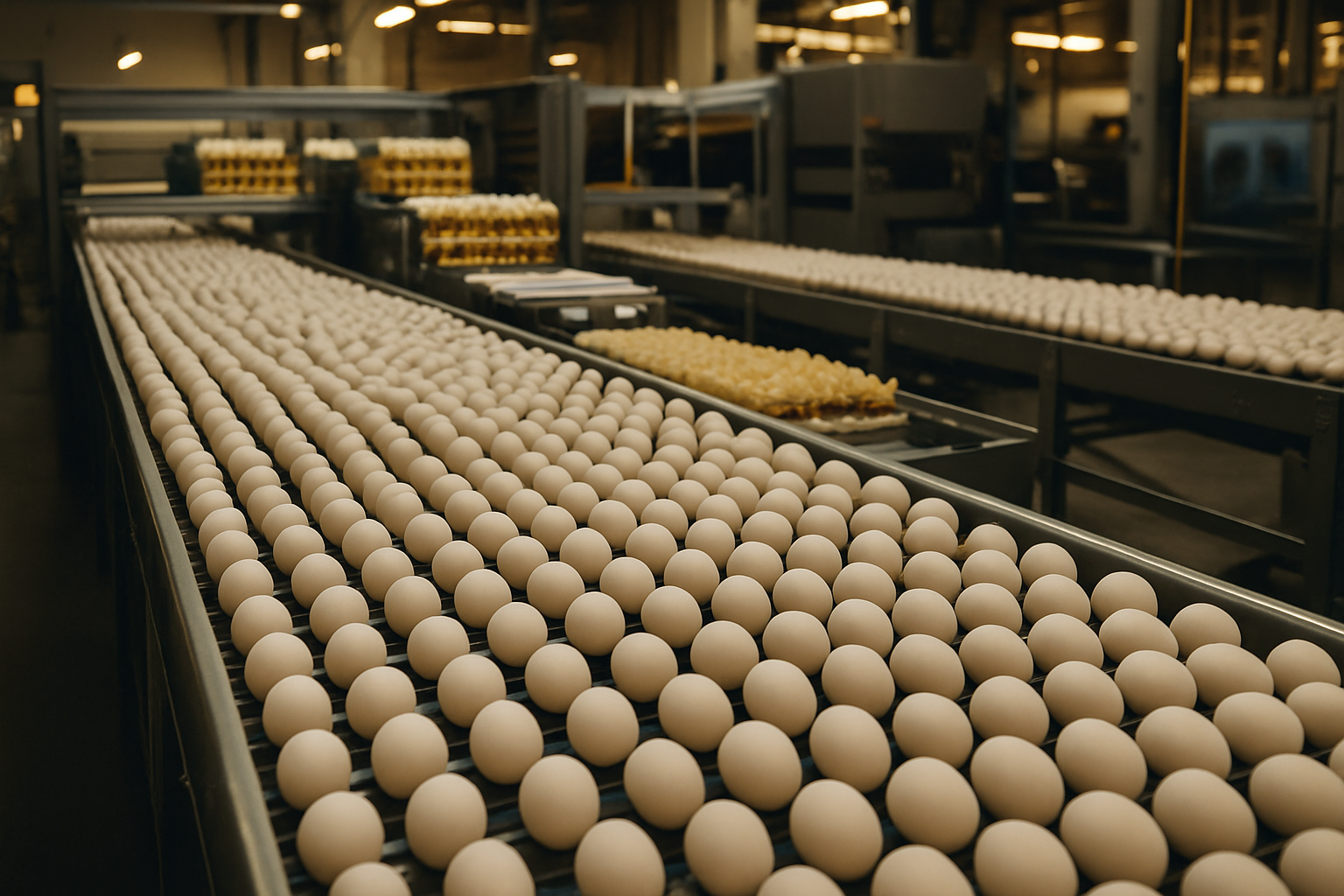
The egg donation component is the part of this deal that doesn’t make the headline: 53 million eggs works out to roughly 4.4 million dozen, enough to supply a mid-sized food bank network for years. That’s a direct, tangible benefit to food-insecure households, separate from any cash payout.
How the egg price fixing scheme allegedly worked
The claims center on coordinated supply reductions among producers. By collectively cutting the number of hens or slowing production, companies could push wholesale egg prices above where a competitive market would set them. This kind of horizontal coordination among competitors violates federal antitrust law, even when no formal written agreement exists.
Egg prices have been a flashpoint for American consumers since 2022, when a wave of avian influenza outbreaks thinned flocks nationwide. Critics argued that some producers used the bird flu disruption as cover to keep prices elevated well beyond what supply shortages alone could explain. This settlement doesn’t resolve that broader debate, but it does confirm that regulators and plaintiffs found enough evidence of coordination to bring producers to the table.
Where the $3.3 million goes — and who filed the claims
The cash portion of the settlement will be distributed to the plaintiffs, which include retailers and other buyers who claim they overpaid for eggs due to the alleged collusion. That money is meant to compensate for the overcharges passed through the supply chain. Individual consumers who bought eggs at retail are not direct claimants in this settlement, so don’t expect a rebate check.
Food banks receiving the 53 million donated eggs will benefit most concretely. Eggs are one of the most requested protein sources at food pantries, and a donation of this scale can make a measurable difference for organizations already stretched thin by elevated food costs across the board.
A pattern of antitrust action in American food supply
This isn’t the first time the egg industry has faced price-fixing scrutiny. A landmark case that began around 2008 — also centered on supply manipulation through the United Egg Producers trade group — dragged through courts for over a decade and resulted in hundreds of millions of dollars in settlements with major grocery chains and food companies. The current case follows a similar legal theory.
Food price collusion has drawn increasing attention from federal enforcers. The Justice Department and FTC have both signaled that consumer food costs are a priority area, and state attorneys general have piled on with their own investigations in several jurisdictions. Settlements like this one send a signal, but critics of antitrust enforcement note that $3.3 million is a relatively modest sum for an industry that moves billions of dollars in product annually.
For context on how legislatures are responding to corporate cost-shifting more broadly, Pennsylvania recently made headlines when it killed a $517 million tax break for big tech — another sign that state-level actors are less willing to extend goodwill to large industries seen as profiting at the public’s expense.
Egg prices in 2026 — still elevated, still contested
Even with this settlement in the rearview, egg prices remain well above their pre-2022 levels. The USDA has tracked wholesale shell egg prices fluctuating sharply throughout 2025 and into 2026, driven by ongoing avian influenza pressure and tight flock sizes. Whether those prices reflect genuine supply constraints or lingering market manipulation is still an open question — one that ongoing litigation in other jurisdictions may eventually answer.
Producers who settled did not admit wrongdoing, a standard feature of civil antitrust resolutions. That means the public record won’t include a definitive finding of guilt, but the size of the egg donation, in particular, suggests the companies saw enough litigation risk to make a deal rather than fight the claims in court.
The next concrete step is court approval of the settlement terms. Once a federal judge signs off, the cash distribution to plaintiffs can begin and the egg donation logistics — coordinating delivery of 53 million eggs to food bank networks — will get underway. Food banks in regions with the highest food-insecurity rates are expected to be prioritized in that distribution.