Comcast has started switching on a feature called Xfinity Shield that uses the Wi-Fi signals already broadcasting from millions of customers’ routers to detect motion inside their homes, effectively converting standard internet gateways into ambient security sensors without any new hardware. The rollout, first reported by The Verge, applies to compatible xFi and Xfinity Gateway routers already installed in subscriber households.
How Routers Became Motion Sensors
The technology behind Xfinity Shield relies on a method known as Wi-Fi sensing, which tracks how radio waves bounce around a room and get subtly disrupted when a person or pet moves through the space. Because a router is constantly emitting and receiving these signals to keep devices connected, it can also serve as a passive radar of sorts, picking up on changes in signal patterns even in areas without cameras or dedicated motion detectors.
Comcast has partnered with Cognitive Systems, a company that has spent years developing Wi-Fi motion-sensing software for internet providers, to power the feature. Rather than requiring customers to buy and install new sensors, the system runs as a software layer on routers that are already deployed in millions of homes, which is what allows Comcast to activate it at scale so quickly.
What Xfinity Shield Actually Does
According to Comcast, Xfinity Shield is designed to give customers a low-cost way to monitor their homes for unexpected activity, such as movement while they are away or during set nighttime hours. The feature can send alerts to a customer’s phone through the Xfinity app when motion is detected in a room, and it is being positioned as an entry point into Comcast’s broader home security and automation ecosystem, which already includes Xfinity Home.
Unlike camera-based systems, the Wi-Fi sensing approach does not capture video or images. Instead, it interprets signal interference patterns to estimate that movement occurred and roughly where. Comcast has said the feature is opt-in and that customers can enable, disable, or fine-tune it through their account settings, though the fact that the underlying capability now exists across a large share of its router fleet marks a notable shift in what ISP-provided equipment can do inside a home by default.
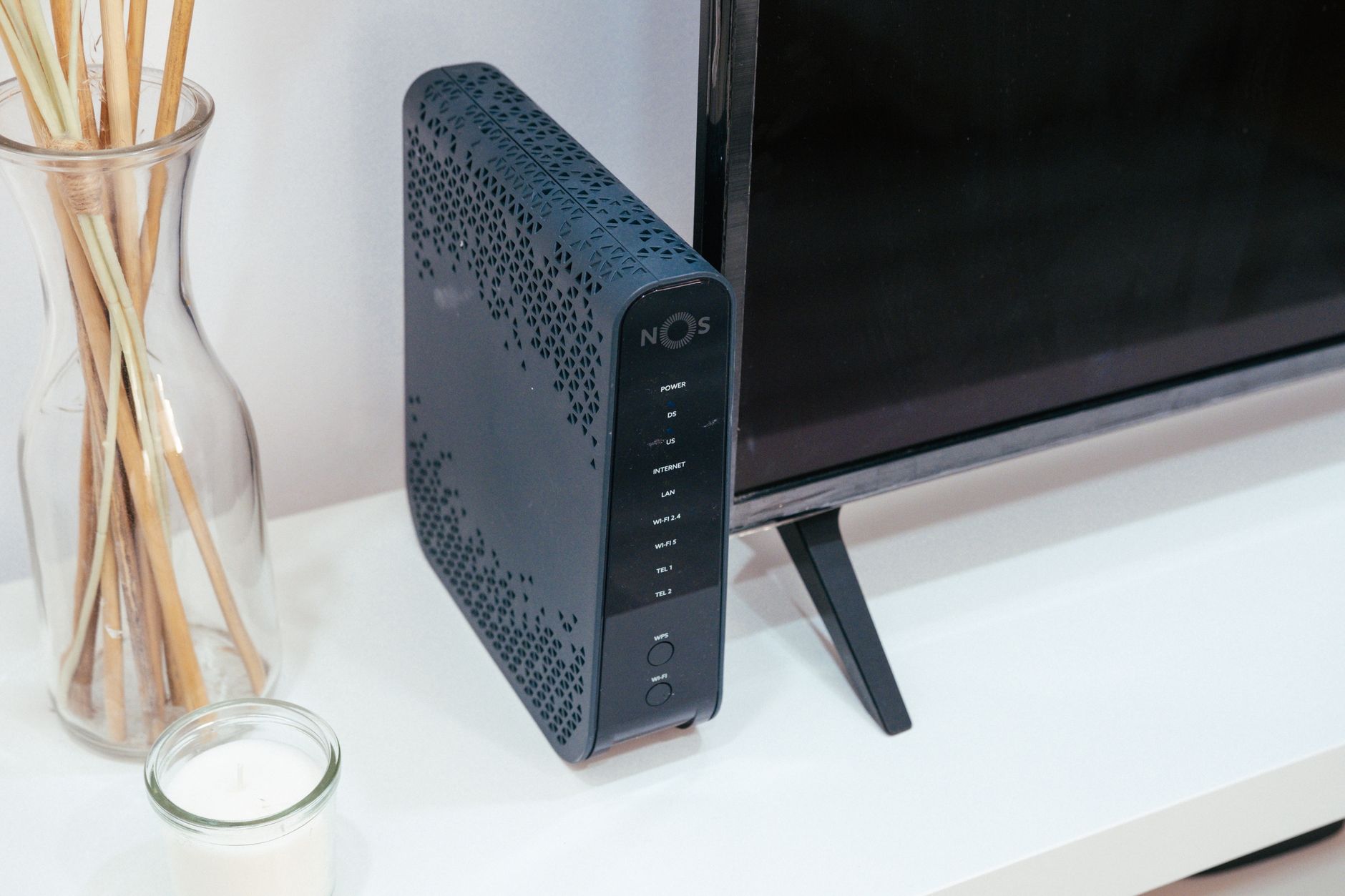
Wi-Fi sensing works by treating the router as a kind of ambient radar, detecting disruptions in a room’s radio signal that correspond to movement, rather than by capturing images or audio.
Privacy Questions Follow the Rollout
The scale of the deployment has drawn scrutiny from privacy advocates who note that an internet provider now has the technical means to infer activity patterns inside a customer’s home, including when people are present, asleep, or away, even without a camera. Comcast has emphasized that the feature does not record or store video and that data used for motion detection is processed to serve the customer’s own alerts, but critics argue that any system capable of tracking in-home movement warrants clear disclosure and strong opt-out controls, especially when it is switched on for hardware that was originally installed just to provide internet access.
Questions have also been raised about what data, if any, Comcast retains from the motion-sensing signal itself, how long it is stored, and whether it could be used for purposes beyond the advertised security alerts, such as targeted advertising or analytics tied to household activity levels. Comcast has not published detailed technical documentation addressing all of these points, leaving some of the finer details of data handling unclear to the public.
Part of a Broader Industry Trend
Comcast’s move follows a broader push among telecom and smart home companies to add sensing capabilities to existing Wi-Fi infrastructure rather than sell standalone devices. Router makers and mesh Wi-Fi companies have experimented with similar motion-detection features for several years, but Comcast’s scale, with tens of millions of Xfinity subscribers nationwide, makes this one of the largest deployments of the technology to date.
The feature also puts Comcast in more direct competition with established home security players such as ADT, SimpliSafe, and Ring, all of which have built businesses around dedicated sensors and cameras. By building motion detection into infrastructure that is already installed and paid for, Comcast is betting it can undercut those setup costs and pull more customers into its home security offerings.
What Customers Can Do
Xfinity customers who want to check whether Xfinity Shield has been activated on their account can review their settings through the Xfinity app, where the company says the feature can be turned off entirely. Comcast has indicated it plans to expand the rollout to additional compatible routers in the coming months, meaning the number of homes with the capability enabled is likely to keep growing.
As with other emerging smart home technologies, the arrival of Wi-Fi sensing at this scale is likely to keep pressure on Comcast to clarify its data practices, particularly as consumers and regulators increasingly scrutinize what internet-connected devices are capable of observing inside the home.