The Vatican issued a sweeping excommunication of all members of the Society of St. Pius X (SSPX) on July 2, 2026, cutting ties with the ultra-conservative breakaway group in one of the most dramatic disciplinary moves by Rome in decades. The Guardian reported the decree, citing the Vatican’s formal announcement as the source.
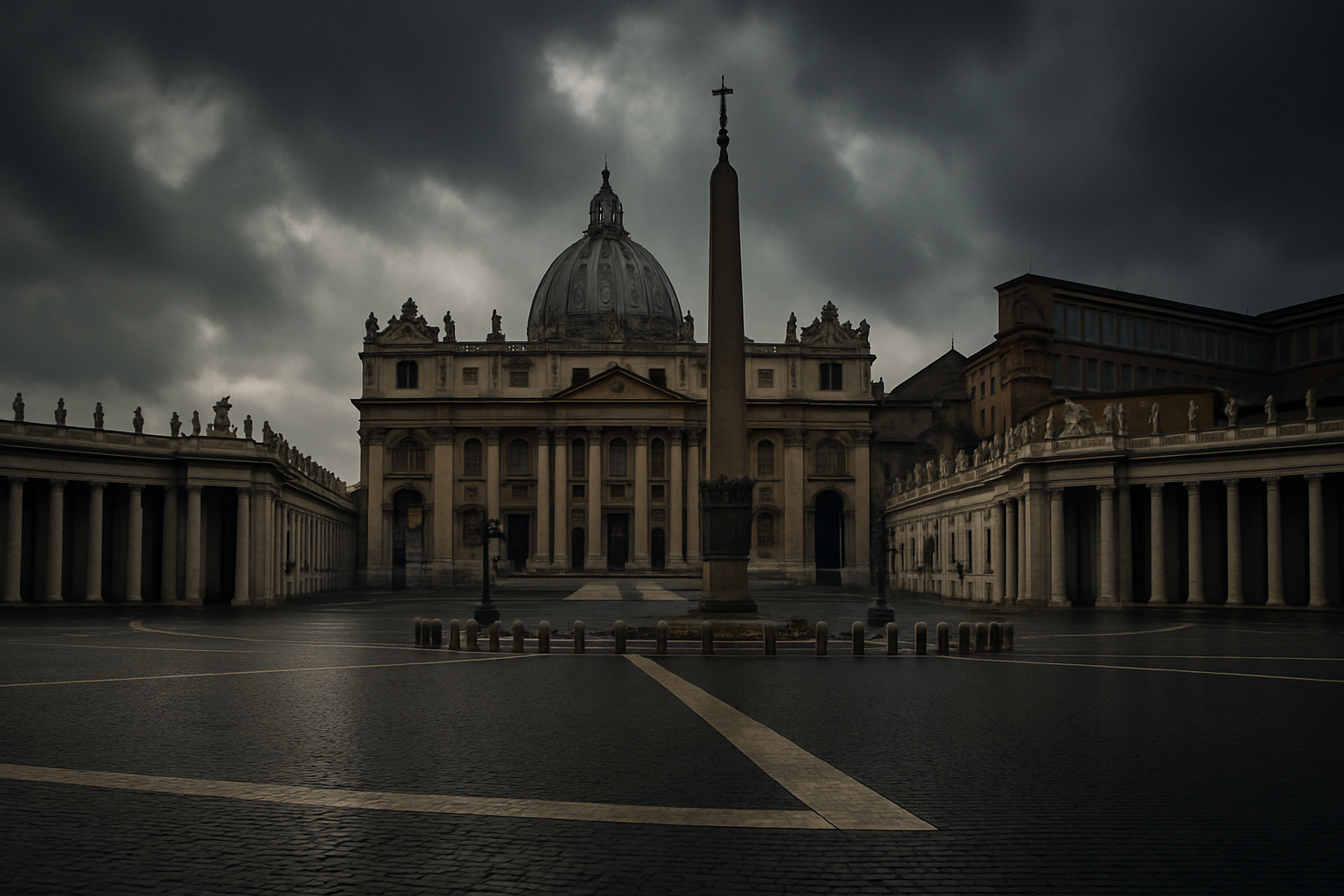
The move is sweeping in scope: it targets not just the SSPX’s bishops and priests but every lay member affiliated with the group — a step that goes well beyond the targeted excommunications Rome has historically reserved for individual clerics who break from official doctrine.
Why the Vatican excommunicates SSPX now, after decades of tension
The SSPX was founded in 1970 by French Archbishop Marcel Lefebvre as a direct rejection of the Second Vatican Council’s reforms, including the shift to vernacular Mass and broader ecumenical outreach. Lefebvre himself was excommunicated in 1988 after he consecrated four bishops without papal approval — an act Rome called a schismatic gesture. That excommunication covered only those specific bishops, not the movement’s broader membership.
For decades, the group occupied a grey zone: illicitly operating outside full communion with Rome, yet not formally condemned as a body. Successive popes tried negotiation. Benedict XVI lifted the 1988 excommunications against SSPX’s four bishops in 2009 in a gesture of reconciliation, a decision that itself triggered controversy when it emerged that one of those bishops, Richard Williamson, had publicly denied the Holocaust.
Pope Francis took a notably different approach over his papacy, expressing frustration with the group’s continued defiance and its growing appeal among Catholics hostile to his more pastoral, reform-minded pontificate. The 2026 decree signals that Rome has concluded diplomacy has failed.
A membership in the tens of thousands now cut off from sacraments
The SSPX claims roughly 600 priests, 200 seminarians, and hundreds of thousands of lay followers spread across chapels and schools on six continents. Under Catholic canon law, excommunication bars a person from receiving or administering sacraments, holding any Church office, and participating in Church governance. For lay Catholics who attend SSPX Masses — sometimes as their only local traditional Latin Mass option — the decree creates an immediate and personal spiritual dilemma.
The group has operated over 180 priories worldwide and runs its own seminary network, meaning the excommunication effectively applies to a self-contained parallel church structure. That parallel infrastructure, church officials argue, is precisely what makes the SSPX’s situation categorically different from individual dissenters.
SSPX’s response and what comes next
The Society has long argued that its canonical situation is irregular but not schismatic — a distinction Rome has now formally rejected. SSPX leadership has historically dismissed Vatican pressure as evidence of modernist corruption within the Church rather than legitimate authority. No official SSPX statement had been published at time of writing, but the group is widely expected to reject the decree’s validity, as it has rejected prior disciplinary actions.
The timing matters. The traditional Latin Mass — the Tridentine rite that SSPX centers its identity around — has been a flashpoint since Francis restricted its use in 2021 via the motu proprio Traditionis Custodes. That document reversed much of Benedict XVI’s 2007 liberalization, and hardened opposition within traditionalist Catholic circles. The SSPX positioned itself as a refuge for those who felt Rome was dismantling their liturgical heritage, growing its congregations even as official channels narrowed.
Canon lawyers will now debate whether the decree is self-executing or requires individual notification to be binding — a technical question with real pastoral consequences for parish priests and their congregants in countries where SSPX chapels are the only nearby venue for the old rite.
The excommunication also lands in a broader context of institutional tension inside Catholicism. Conservatives who had pushed back against Francis’s synodal process and his openness on issues like communion for divorced and remarried Catholics may see the SSPX crackdown as confirmation of an ongoing culture war inside the Church — though the Vatican framed it strictly as a matter of obedience and unity.
For American Catholics in particular, the decision carries weight: the United States has one of the larger SSPX presences outside Europe, with chapels in major metro areas and a network of private schools. Families whose children attend SSPX-affiliated schools now face questions about whether their sacramental participation — including their children’s baptisms and first communions performed by SSPX priests — carries official Church recognition. Rome’s longstanding position is that SSPX sacraments are valid but illicit; the new decree does not appear to change that underlying theological status, but the social and communal fracture will be real.
The Vatican has not yet indicated whether any path to reinstatement exists, or under what conditions SSPX members could return to full communion. That silence, more than the decree itself, will define the next chapter — and whether this marks a final rupture or an opening gambit in a new round of negotiations.
For context on how financial and institutional decisions intersect with religious authority, see our earlier coverage of an FBI investigation that exposed fabricated claims — a reminder of how institutional credibility, once challenged, takes years to rebuild.