U.S. Representative Ro Khanna was detained by Israeli settlers during an official visit to the West Bank on July 11, 2026, according to a report from CNN. The California Democrat was traveling through the occupied territory when settlers blocked and briefly held his group before he was released.
The incident makes Khanna one of the very few sitting members of the U.S. Congress to be physically stopped by settlers during a West Bank visit — a detail that sets this episode apart from the routine diplomatic trips lawmakers make to the region.
What happened during Khanna’s West Bank visit
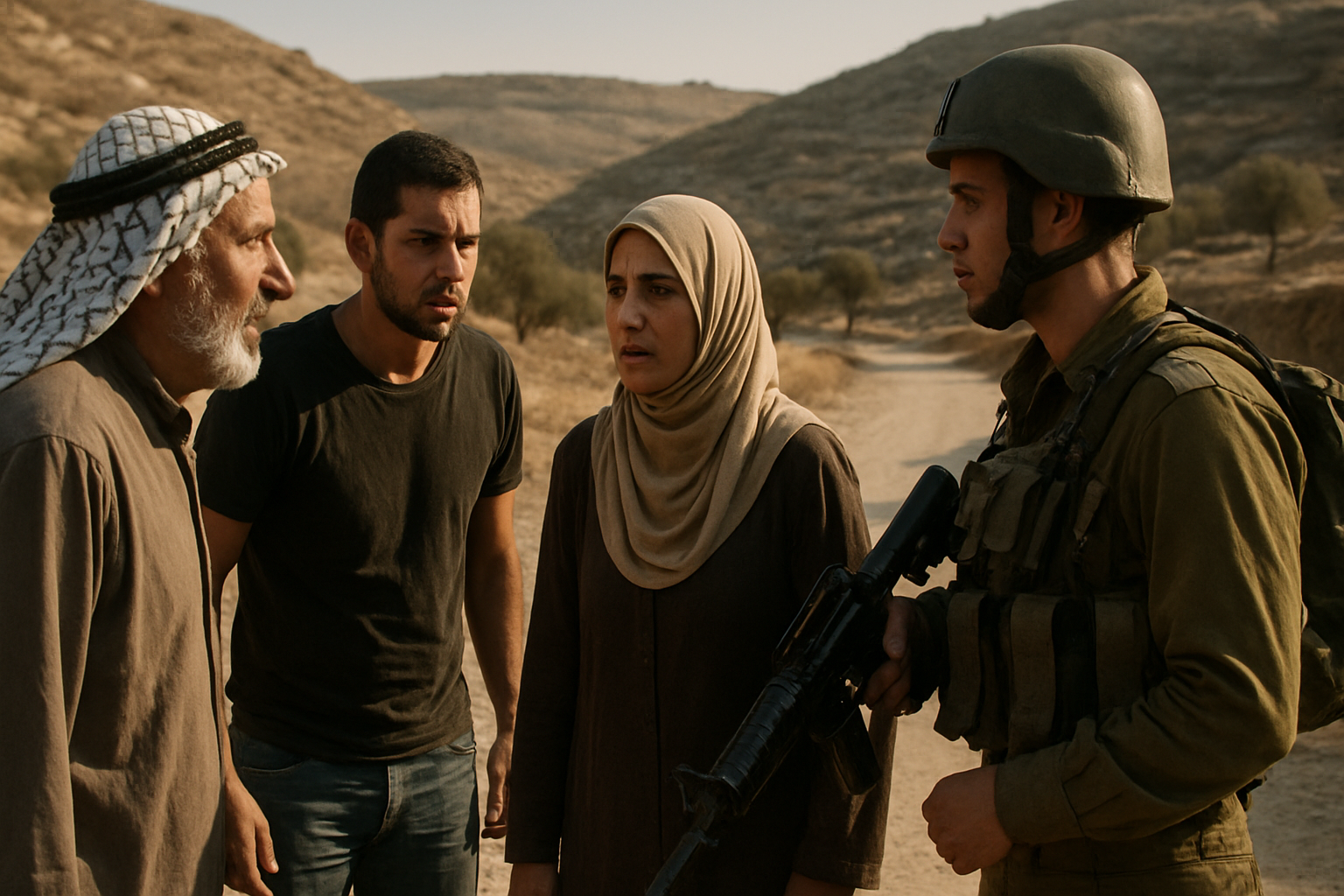
Khanna was part of a delegation moving through the West Bank when a group of Israeli settlers intervened and prevented his convoy from continuing. The confrontation did not result in injury, but the congressman was effectively held in place until the situation was resolved and he was allowed to leave.
Settler confrontations with Palestinian residents in the West Bank have been extensively documented by United Nations monitors, but incidents involving sitting American legislators are exceptionally rare. The fact that a U.S. congressman was the one stopped underscores how emboldened some settler communities have become in the occupied territory.
Khanna has been an outspoken voice in Congress on U.S. foreign policy in the Middle East, and his decision to travel to the West Bank placed him directly inside one of the region’s most contested areas. The congressman described the experience publicly after his release, though the full details of his account continue to emerge.
Settler activity has escalated across the occupied territory
The West Bank has seen a sharp rise in settler-related incidents over the past two years. UN agencies and human rights organizations have recorded hundreds of attacks on Palestinian communities, including property destruction, road blockades, and physical confrontations. The area where Khanna was detained sits within a zone where settler outposts have expanded rapidly.
Israel’s government has faced sustained international criticism over its failure to prosecute settlers involved in violence. For its part, the Israeli military has legal authority over much of the West Bank under the occupation framework — meaning incidents involving foreign nationals, including U.S. officials, technically fall under its jurisdiction to resolve.
The U.S. State Department has previously sanctioned a small number of individual settlers for human rights violations, though those measures have been contested domestically and their enforcement has been inconsistent.
Congressional reaction and diplomatic fallout
News of Khanna’s detention spread quickly on social media and in Washington policy circles, prompting calls from other lawmakers for a formal response. A sitting congressman being physically stopped by settlers during an official trip to the region raises questions about the safety and access afforded to U.S. officials conducting oversight and fact-finding in contested territories.
The State Department had not issued a formal statement at the time of publication. Whether the Biden-era protocols — or any updated 2026 guidance — require a diplomatic response when a member of Congress is detained abroad by non-state actors remains an open procedural question that officials will likely face in the coming days.
Khanna’s trip was not purely symbolic. Members of Congress who travel to the West Bank often meet with Palestinian officials, civil society leaders, and journalists to gather firsthand information for legislative work back home. Being stopped mid-trip by settlers disrupts that function and raises a direct separation-of-powers concern: can Congress independently conduct oversight-adjacent travel when foreign actors can physically block it?
A rare moment of direct exposure for a U.S. lawmaker
Most American politicians who visit the region travel within carefully controlled security corridors. The fact that Khanna’s group encountered settlers in a way that led to physical detention suggests either a deviation from those standard routes or a deliberate decision to visit more sensitive areas — possibly to bear direct witness to conditions on the ground.
That choice mirrors a broader shift in how some progressive lawmakers have approached the region since 2023, opting for less-scripted access over the sanitized briefings that characterize most official congressional delegations.
For readers following other stories about travelers facing unexpected restrictions abroad, NarwhalTV recently covered how the LGBTQ cruise was denied entry to Egypt after a Turkey ban — another case where political geography directly disrupted civilian movement.
Khanna is expected to speak further about his detention in the coming days. Congressional leadership will face pressure to address the incident formally, and it may accelerate existing debates in the House Foreign Affairs Committee about U.S. policy toward Israeli settler expansion in the West Bank.