The Office of the US Trade Representative announced late Wednesday that it will impose 25% Brazil tariffs on most goods from July 22, closing a yearlong investigation under Section 301 of the Trade Act of 1974. The stated grounds include lax anti-corruption enforcement and practices Washington deems unreasonable and unfair, the Associated Press reported.
The headline number is going the wrong way from what most readers will assume. These tariffs replace a 50% rate — and that rate is gone because the Supreme Court struck it down in February. The original levy leaned on emergency powers under the International Emergency Economic Powers Act. The court said no. The administration has come back at half the rate using a different legal instrument, one that requires a formal investigation and a documented finding.
Why the legal route matters more than the Brazil tariffs rate
Section 301 is slower than an emergency declaration. The Brazil tariffs took a year and more than 30 negotiating meetings to get here. What it buys is durability: a tariff built on an investigation is far harder to overturn than one built on a declared emergency, as the February ruling demonstrated.
The cost of the earlier approach is still being unwound. Businesses began filing refund claims in April for tariffs the courts declared unconstitutional, and companies including Nintendo went to court over the same levies. Halving the rate is not a concession. It is the price of standing on firmer ground.
What the US side is saying
Jamieson Greer, the US Trade Representative, framed the door as still open.
“Extensive negotiations with Brazil over the past year have not resolved these issues, but we remain open to continuing negotiations with Brazil to bring about long-needed changes to the problems identified in this investigation.”
Secretary of State Marco Rubio was blunter, and his remarks are worth reading as what they are — an assignment of blame by a named official, not a finding. “Let there be no confusion about why: President Lula and his government have not negotiated with the US in good faith,” Rubio said. He added: “For the past year, Lula has put his own ego ahead of making a deal for the welfare of the Brazilian people, and these tariffs are the price for that.”
Brazil’s government rejected both the measure and the characterisation. Foreign Minister Mauro Vieira called Rubio’s comments unacceptable and offensive, according to Al Jazeera. Brasília’s own statements have been thin on the record this week for an unusual reason: Brazil’s state news agency has taken pages offline in compliance with the country’s electoral law ahead of its October vote.
The exemptions read like a grocery list
Coffee, beef, oranges and orange juice, avocados, Brazil nuts, certain petroleum and gas products, and aircraft and aerospace parts are all exempt — roughly $11 billion a year of trade, by one estimate.
The pattern is not subtle. US beef prices are up 11.8% year on year and coffee up 12%. The two goods most responsible for what Americans feel at the till are the two goods carved out of the tariff. Whatever the investigation concluded about Brazilian conduct, the exemptions were drawn around American shopping baskets.
The trade balance nobody is citing
Here is the awkward statistic in a dispute about unfair trade: the US runs a surplus with Brazil, not a deficit. The US trade surplus in goods reached $14.4 billion in 2025, up from $7.7 billion in 2024.
That is why the Section 301 case is not built on the trade gap at all. It rests on conduct — anti-corruption enforcement, digital trade, illegal deforestation — rather than on the balance of goods. Lula has made the point himself, arguing in June that if anyone should be raising tariffs on the strength of the numbers, it is Brazil.
What July 22 actually starts
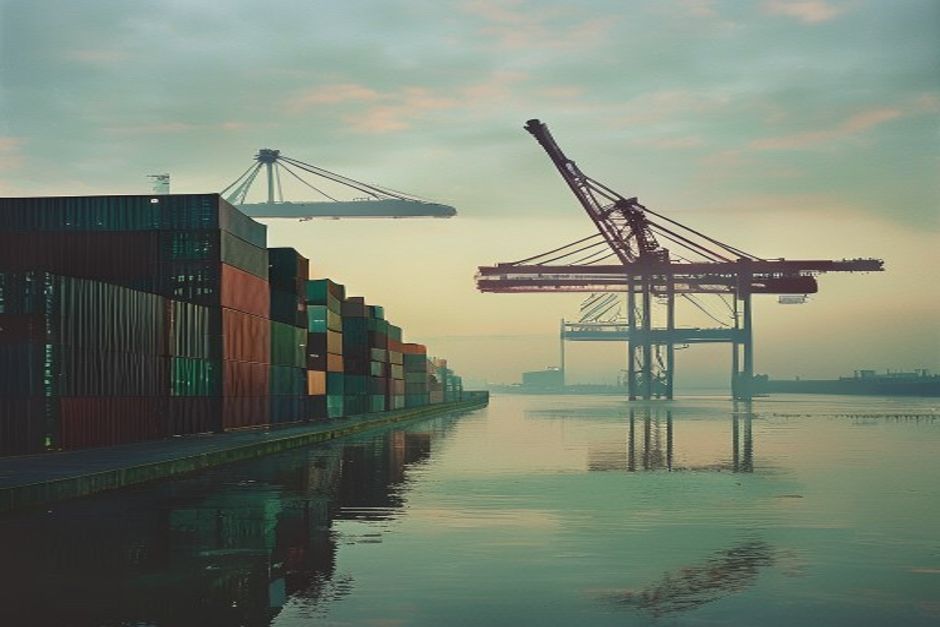
Brazil is the world’s tenth-largest economy, and the Brazil tariffs put a 25% wall on most of what it sells to the United States, with a week’s notice. Greer’s statement leaves negotiation open, which means the rate is a lever rather than a verdict.
The February ruling is the thing to keep in view. The administration lost on the law and returned with the same policy at half the strength and twice the paperwork — a trade of scale for survivability. Whether Brazil treats that as an opening or an insult will decide what the next year looks like.