Alphabet has disclosed that its stake in SpaceX is now valued at $94.1 billion, a figure that translates to roughly 6% ownership of Elon Musk’s rocket and satellite company. The disclosure, first reported by The Next Web, gives investors one of the most concrete public markers yet of how Wall Street and Silicon Valley value the closely held aerospace giant.
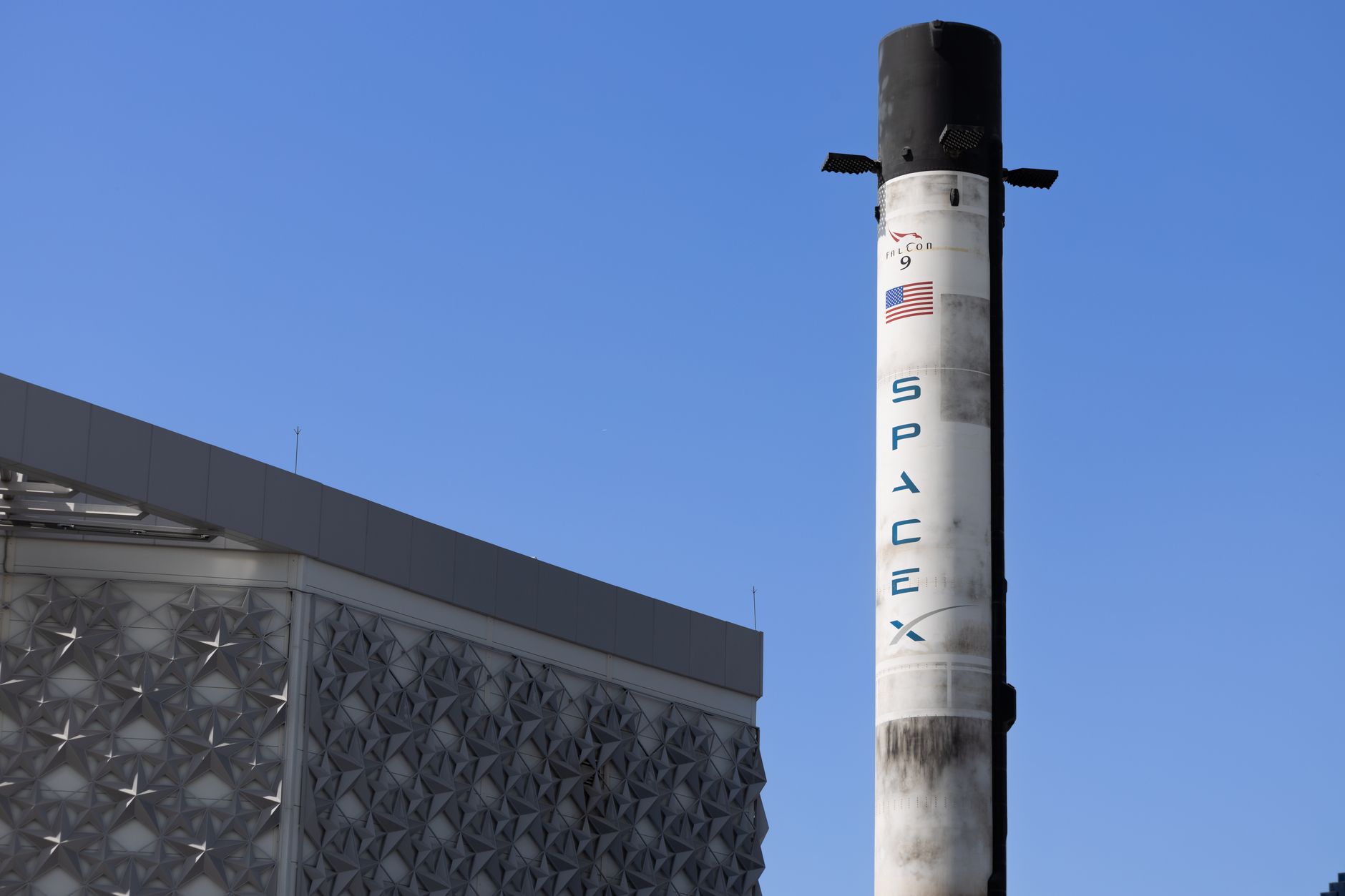
Google has been an investor in SpaceX since 2015, when it joined Fidelity in a roughly $1 billion funding round that valued the company at about $12 billion at the time. A decade later, that early bet has multiplied more than 90-fold on paper, underscoring how dramatically SpaceX’s business — anchored by its Falcon 9 launch dominance and the rapidly expanding Starlink satellite internet network — has grown in value.
What the Disclosure Reveals
The $94.1 billion figure appeared in Alphabet’s own financial disclosures, which require the company to periodically mark its equity investments to estimated fair value. Because SpaceX remains privately held, there is no public stock price to reference. Instead, valuations like this one are typically derived from recent private funding rounds, secondary share sales, or employee tender offers that give a snapshot of what sophisticated investors are willing to pay for SpaceX equity.
Reports over the past year have pointed to SpaceX tender offers valuing the company at well over $300 billion, making it the most valuable private company in the world by a wide margin. Google’s updated mark suggests that valuation trend has continued, if not accelerated, even as the broader market grapples with volatility in adjacent tech and space-linked stocks.
Why It Matters Now
The timing of the disclosure is notable. Interest in SpaceX’s valuation has intensified in recent months amid persistent chatter about a possible future initial public offering — either for SpaceX as a whole or for Starlink as a standalone entity. Musk has repeatedly said he has no plans to take SpaceX public in the near term, arguing that going public could expose the company to shareholder pressure that conflicts with its long-term Mars ambitions. Starlink, by contrast, has been floated by Musk as a more plausible IPO candidate once its cash flow stabilizes.
In the absence of a public listing, disclosures like Alphabet’s serve as rare proxies for outside investors trying to gauge SpaceX’s worth. That scrutiny has also spilled into public markets through vehicles that let retail investors bet indirectly on the company’s fortunes. As NarwhalTV reported recently, short sellers have piled into SpaceX proxy funds as shares in those vehicles have sunk, reflecting skepticism about whether private markups match the company’s actual cash-generating performance.
Google’s Strategic Stake
Google’s investment in SpaceX was never purely financial. The two companies have a commercial relationship dating back to their original 2015 agreement, when Google Cloud began providing ground infrastructure and networking support for Starlink. That partnership has expanded over the years as Starlink’s satellite constellation has grown into the world’s largest, now numbering in the thousands of satellites providing broadband service to remote and underserved regions globally.
For Alphabet, the SpaceX stake functions similarly to other strategic minority investments the company holds in emerging technology firms — a way to maintain a commercial foothold and gain insight into a sector adjacent to its core cloud and connectivity businesses, while also benefiting from potential upside if the company’s valuation continues to climb.
Key figures at a glance
- Alphabet’s SpaceX stake is now valued at $94.1 billion.
- The holding represents an estimated 6% ownership stake in SpaceX.
- Google first invested in SpaceX in 2015 alongside Fidelity, in a round that valued the company at roughly $12 billion.
- Recent private tender offers have reportedly valued SpaceX above $300 billion.
What Comes Next
Because SpaceX remains private, investors outside of insiders and select institutional backers have limited ways to directly participate in its growth, fueling demand for proxy investment vehicles and renewed IPO speculation. Alphabet’s disclosure is unlikely to change SpaceX’s near-term plans, but it adds pressure on the company to clarify its financial trajectory, particularly around Starlink’s profitability, as public interest in its valuation continues to build.
Analysts note that markups on paper, however large, do not guarantee liquidity — a lesson that has resurfaced as skepticism grows around other high-flying private valuations tied to space and satellite technology.
For now, Google’s $94.1 billion mark stands as one of the most closely watched data points in the ongoing debate over just how much SpaceX — and the space economy it has come to symbolize — is really worth.