U.S. health officials say a multistate salmonella outbreak linked to jalapeño peppers has sickened hundreds of people across 27 states, with dozens of patients hospitalized. The Centers for Disease Control and Prevention (CDC) and the Food and Drug Administration (FDA) confirmed this week that they are jointly investigating the source of the contamination.
According to health officials, the outbreak strain of salmonella has been detected in patients whose illnesses began over the past several weeks, with case counts continuing to climb as the investigation expands. Laboratory testing has linked a number of the illnesses to fresh jalapeño peppers, though officials caution that traceback work is ongoing and additional produce items have not been ruled out.
What Investigators Know So Far
The CDC’s PulseNet system, which uses genetic fingerprinting to link illnesses to a common source, first flagged a cluster of related salmonella infections earlier this summer. Interviews with sick patients found that a majority reported eating jalapeño peppers or dishes containing them in the days before they fell ill, prompting investigators to focus on the pepper supply chain.
Officials have not yet named a specific grower, distributor, or brand responsible for the contamination, and no formal recall notice has been issued as of this week. The FDA says it is working with state agriculture departments and produce suppliers to trace the peppers back through the distribution chain to identify where the contamination may have occurred, whether at a farm, packing facility, or during transport.
Who Has Been Affected
Cases have been reported in 27 states, spanning the South, Midwest, and parts of the East Coast, though officials note the true geographic spread and case count are likely higher than confirmed figures, since many salmonella infections go unreported or untested. Illness onset dates range from early summer through recent weeks, and health officials say new cases are still being added to the count as lab results come in.
Hospitalization rates in this outbreak have been notably elevated compared with typical salmonella clusters, according to health officials, though no deaths have been publicly confirmed at this stage. Children, older adults, and people with weakened immune systems face the highest risk of severe illness from salmonella infection.
Symptoms to Watch For
Salmonella infection typically causes diarrhea, fever, and stomach cramps that begin six hours to six days after exposure to the bacteria. Most healthy people recover without medical treatment after four to seven days, but the infection can be severe enough in some cases to require hospitalization, particularly if diarrhea becomes so severe that patients need to be hospitalized for dehydration.
Health officials are urging anyone who has recently eaten raw jalapeño peppers and developed these symptoms to contact a healthcare provider and mention potential exposure to a salmonella outbreak, which can help doctors order the correct diagnostic tests.
Symptoms of salmonella infection usually appear six hours to six days after exposure and can include diarrhea, fever, stomach cramps, nausea, and vomiting, according to CDC guidance.
Guidance for Consumers
Until more is known about the specific source of contaminated peppers, food safety officials are advising consumers to take precautions when handling and preparing jalapeños:
- Wash hands thoroughly with soap and water before and after handling raw peppers.
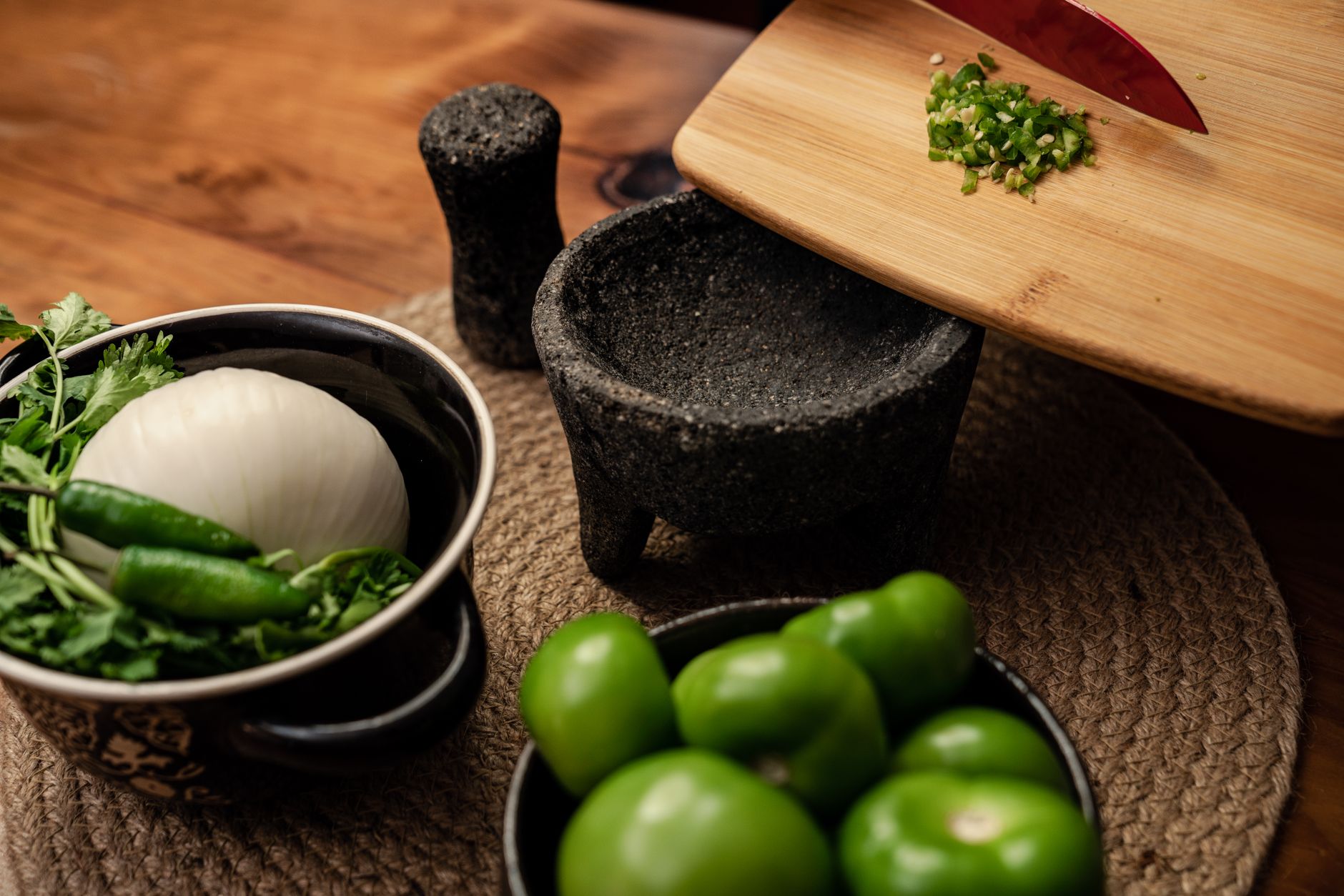
- Rinse jalapeños under running water and scrub firm produce with a clean brush before cutting or cooking.
- Keep cutting boards, knives, and countertops that touch raw peppers separate from other food prep surfaces to avoid cross-contamination.
- Refrigerate cut peppers promptly and avoid leaving prepared dishes at room temperature for extended periods.
- Those in high-risk groups, including pregnant women, young children, older adults, and people with compromised immune systems, may want to avoid raw jalapeños entirely until the outbreak source is identified.
Restaurants and food service operators have also been advised to review their produce suppliers and confirm sourcing documentation for jalapeños currently in inventory, as regulators work to narrow down the contamination point.
What Happens Next
The FDA says it expects to release additional details, including any recall notices tied to specific brands or distributors, as the traceback investigation progresses. Outbreak investigations of this kind often take weeks to fully resolve, since investigators must match epidemiological data from sick patients with supply chain records from farms, packers, and retailers.
This outbreak adds to a string of recent food safety concerns that have drawn national attention, following other high-profile recalls and contamination events in the past year. Health officials say the pattern underscores the importance of consistent food safety practices across the fresh produce supply chain, from the field to the kitchen.
The CDC and FDA are expected to continue updating case counts and traceback findings on their respective outbreak investigation pages as new information becomes available. Consumers with symptoms consistent with salmonella infection are encouraged to report their illness to local health departments to assist in the ongoing investigation.