Alaska prosecutors have dismissed voter misconduct charges against a group of American Samoans who marked themselves as “U.S. citizens” on state voter registration forms, state officials confirmed this week. The dismissals close a legal chapter that had drawn national attention to the unusual citizenship status of people born in America’s only unincorporated Pacific territory that does not grant automatic U.S. citizenship at birth.
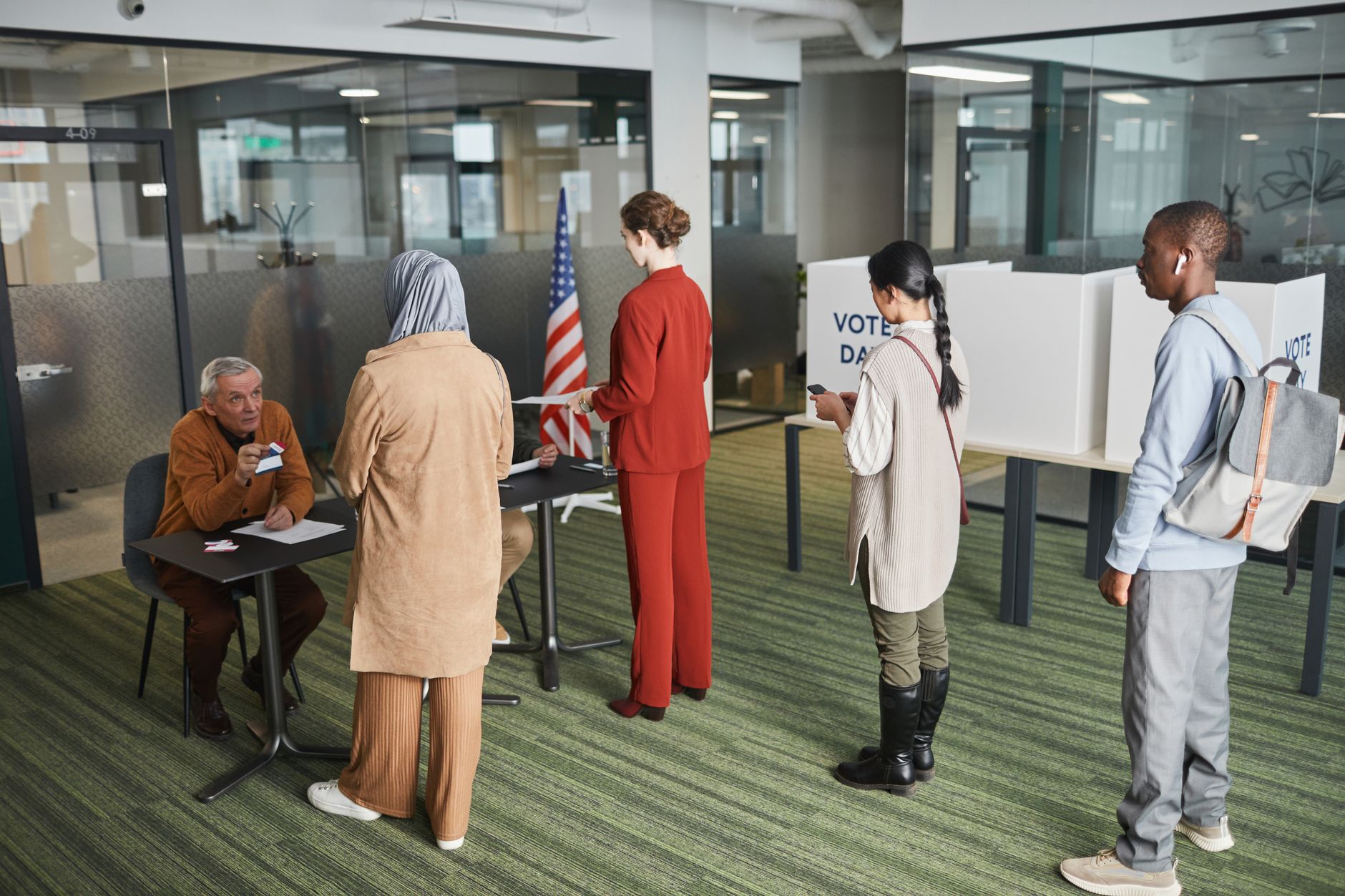
The cases involved residents who had registered and voted in past Alaska elections while holding U.S. passports and long-term residency in the state, many with ties to the military or maritime industries. Prosecutors said the defendants were American Samoan nationals, not naturalized citizens, but had checked the citizenship box in good faith, believing their status as U.S. nationals qualified them to vote.
A Legal Gray Area Decades in the Making
American Samoa is the only U.S. territory where the 14th Amendment’s birthright citizenship clause does not automatically apply. Under a body of century-old Supreme Court precedents known as the Insular Cases, residents born in American Samoa are classified as “U.S. nationals” rather than citizens. They carry U.S. passports stamped with the qualifier “non-citizen national,” can serve in the military, and pay federal taxes when working stateside, but cannot vote in federal or most state elections unless they separately naturalize.
That distinction has confused voters and election officials alike for years, particularly in states like Alaska, Hawaii, Washington and California, which have sizable American Samoan communities. Voter registration forms typically ask a blunt yes-or-no question about citizenship, without accounting for the nuances of national versus citizen status.
“Most people don’t know the difference between a U.S. national and a U.S. citizen until they run into a problem like this,” said one immigration attorney familiar with similar cases in other states. “It’s an accident of history, not an attempt to defraud anyone.”
Why Alaska Prosecutors Dropped the Charges
According to statements from the Alaska Department of Law, prosecutors concluded there was insufficient evidence that the defendants knowingly or intentionally misrepresented their citizenship status. Voter misconduct statutes generally require proof of willful intent to defraud, and officials determined that the confusion stemmed from ambiguous federal law rather than deliberate deception.
The state’s decision mirrors similar outcomes in other jurisdictions where American Samoans faced scrutiny after registering to vote. In several past instances, charges were reduced or dismissed once prosecutors reviewed the applicants’ documentation, which often included valid U.S. passports that do not clearly flag the national-versus-citizen distinction to a layperson.
Alaska’s Division of Elections said it is reviewing its voter registration materials to add clearer language addressing American Samoan national status, a step advocacy groups have pushed for nationally.
The Broader Fitisemanu Fight
The dismissed Alaska cases arrive against the backdrop of an unresolved legal battle over whether American Samoans should be entitled to birthright citizenship under the Constitution. In the case Fitisemanu v. United States, a group of American Samoan plaintiffs argued that denying automatic citizenship to people born in the territory violates the 14th Amendment. A federal appeals court ruled against them in 2021, and the U.S. Supreme Court declined to hear the case in 2022, leaving the current framework intact.
American Samoa’s own territorial government has historically opposed automatic citizenship, citing concerns that it could undermine traditional land tenure laws (fa’a Samoa) that restrict property ownership to those of Samoan ancestry. Critics of that position argue the concern could be addressed through narrower legal carve-outs without denying full citizenship rights.
What Happens Next
With the Alaska charges dropped, attention is likely to shift back to Washington, where lawmakers have periodically introduced bills to extend birthright citizenship to American Samoa by statute rather than waiting on the courts. None of those measures have advanced significantly in Congress in recent years.
For now, American Samoans living in Alaska and other states say they want clearer guidance from election officials to avoid future legal jeopardy simply for participating in civic life. Advocacy organizations have called for federal voter registration forms to include specific language distinguishing U.S. nationals from citizens, potentially heading off similar prosecutions in other states with growing Pacific Islander populations.
The Alaska Department of Law said no further charges are expected to be filed related to the dismissed cases, and officials emphasized that voter registration errors tied to national status will be evaluated case by case going forward.