TL;DR: Sen. Bernie Sanders (I-VT) is advancing a proposal that would criminalize the deliberate development of artificial superintelligence, with penalties of up to 20 years in prison — a punishment comparable to federal statutes governing illegal nuclear weapons production. The plan has intensified debate in Washington over how aggressively to regulate frontier AI research.
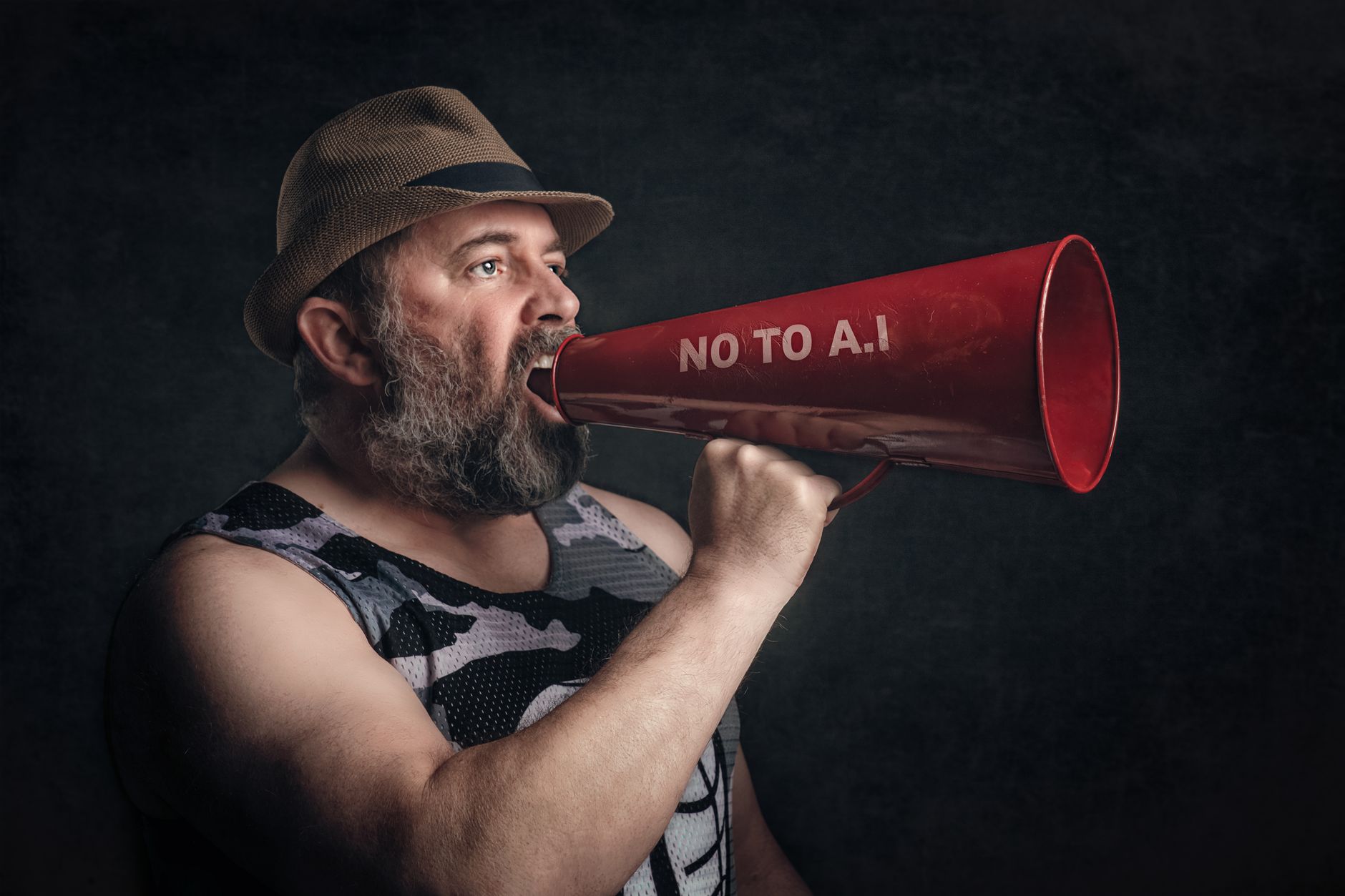
Sen. Bernie Sanders unveiled the outline of legislation this week in Washington that would make it a federal crime for AI developers to knowingly pursue artificial superintelligence — AI systems that could exceed human cognitive ability across virtually all domains. Under the proposal, violators could face up to 20 years in prison, a penalty Sanders’ office says was modeled on federal laws criminalizing the unauthorized production of nuclear weapons.
What the Proposal Would Do
According to Sanders’ office, the bill would direct federal regulators to define thresholds for what constitutes an attempt to build superintelligent systems, based on computing power, training methods and stated corporate intent. Companies or individuals found to have knowingly crossed those thresholds without regulatory approval could face criminal liability, not just civil fines.
“We would never allow a private company to build a nuclear bomb in a garage and call it innovation,” Sanders said in a statement accompanying the proposal. “If artificial superintelligence poses even a fraction of the existential risk that many of its own creators say it does, we have an obligation to treat it with the same seriousness as other weapons of mass destruction.”
The bill would reportedly task an independent oversight body with monitoring frontier AI labs, requiring disclosure of training runs above certain computational thresholds, and empowering federal prosecutors to pursue charges against executives or engineers who conceal superintelligence-directed work.
Building on Earlier AI Pause Efforts
The superintelligence proposal follows Sanders’ earlier collaboration with Rep. Greg Casar (D-TX) on legislation to pause the development of the most advanced AI systems pending stronger safety guardrails. A recent poll found that 68% of voters back the Sanders-Casar AI Pause Bill, suggesting broad public appetite for tighter oversight of AI research even as the industry races forward. That earlier measure focused on a moratorium rather than criminal penalties, making the new superintelligence proposal a notable escalation.
Supporters argue the shift from a temporary pause to potential prison time reflects growing anxiety among AI safety researchers — some of whom work inside major labs — that competitive pressure between companies is outpacing responsible governance. Sanders has repeatedly cited warnings from AI scientists themselves, including some who have said publicly that superintelligent systems could pose catastrophic or existential risks if deployed without adequate controls.
Industry and Legal Pushback
Technology industry groups have criticized the proposal as vague and potentially unconstitutional. Critics argue that defining “superintelligence” in a way precise enough to support criminal prosecution is technically difficult, and that broad thresholds could chill legitimate research into advanced machine learning, robotics, and scientific applications of AI.
Legal scholars have also raised questions about how such a law would survive due-process challenges, given the difficulty of proving criminal intent in complex, iterative software development. Some have compared the effort to export-control and biosecurity statutes, which similarly try to regulate dual-use technology without stifling beneficial research.
“You can build a legal framework around plutonium because you can measure it. Measuring ‘intent to build superintelligence’ is an entirely different challenge,” said one technology policy attorney who reviewed the proposal’s early language.
Political Context
The proposal arrives amid a broader national conversation about the pace and risks of AI development, spanning issues from labor displacement to misinformation and now existential risk. It also lands alongside other tech-related controversies making headlines this year, including scrutiny of major tech figures’ political spending and privacy practices. Billionaire Sergey Brin’s opposition to a California wealth tax drew rebuke from Sanders in a separate recent dispute over tax policy, while Elon Musk’s voter registration platform has faced its own data privacy allegations.
Sanders’ office has not yet released full bill text, and it remains unclear which lawmakers, if any, will co-sponsor the superintelligence measure. Given the partisan composition of Congress, passage in its current form appears unlikely in the near term, though the proposal could shape ongoing negotiations over broader AI regulatory frameworks.
What Comes Next
Sanders’ team has indicated the senator plans to formally introduce the legislation in the coming weeks, alongside hearings intended to feature testimony from AI safety researchers, industry executives, and civil liberties advocates. Whether the bill gains traction may depend heavily on public reaction, particularly following strong polling support for the earlier AI Pause Bill.
For now, the proposal has succeeded in sharpening a national debate: whether the government should treat frontier AI development as an emerging public safety hazard requiring criminal deterrence, or as a competitive technological frontier best regulated through civil oversight and industry standards. As AI capabilities continue to advance rapidly, that debate is unlikely to fade from Washington anytime soon.