Germany has expelled roughly 400 Russian citizens since Russia launched its full-scale invasion of Ukraine in February 2022, including more than 80 diplomats — the large majority of whom, the German Foreign Ministry says, were intelligence officers operating under diplomatic cover.
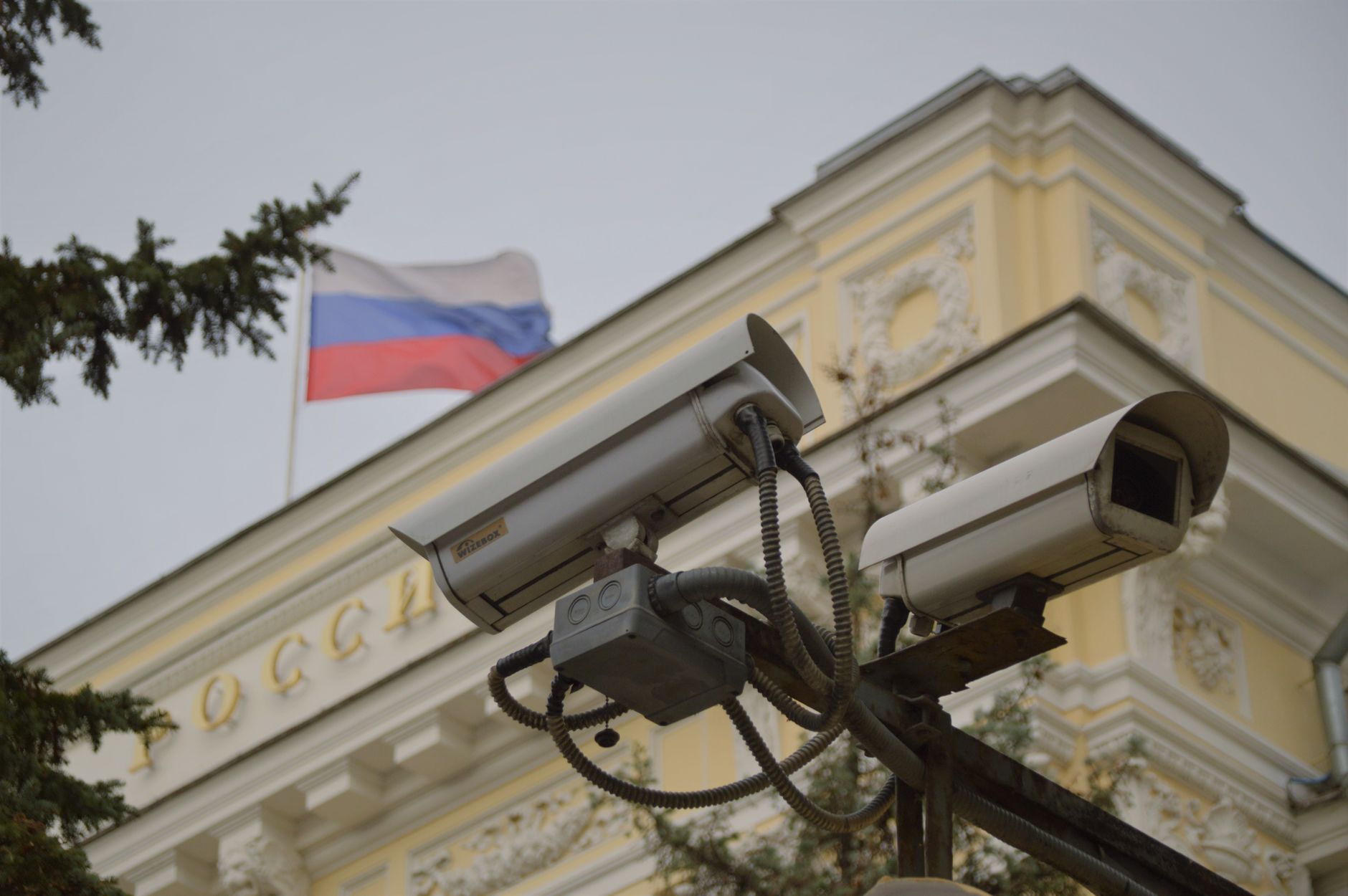
The figures come from Foreign Ministry and Interior Ministry data reported by the German newspaper Bild on August 8, 2026. Alongside the 80-plus diplomats, 313 other Russian nationals were deported over the same period.
The ministry’s own words
The German Foreign Ministry stated the matter directly:
“Germany has expelled more than 80 Russian diplomats since Russia’s invasion of Ukraine in February 2022. Most of them were agents disguised as diplomats.”
The government added that it will not tolerate espionage in Germany, “especially not under the guise of diplomatic status” — a formulation that speaks to the specific abuse at issue. Diplomatic accreditation confers immunity from prosecution. When an intelligence service places officers in an embassy, the host state’s only real remedy is expulsion, because it cannot put them on trial.
How the expulsions unfolded
The largest single action came in the spring of 2022, in the immediate aftermath of the invasion, when 40 people attached to Russian diplomatic missions were declared persona non grata at once. That was part of a coordinated wave across European capitals in which hundreds of Russian officials were removed within weeks — the most extensive collective expulsion of a single country’s diplomats in modern European history.
The pace since then has been slower and more case-driven. The most recent high-profile expulsion came in January 2026, when Berlin expelled the deputy military attaché of the Russian embassy over an espionage case involving a Germany-based resident of Ukrainian origin. That combination — a military intelligence officer and a target from the Ukrainian diaspora — reflects a documented pattern of Russian services surveilling exile and refugee communities across Europe.
The 313 non-diplomatic deportations are a separate category and a less discussed one. These are ordinary Russian nationals removed under immigration and security law rather than diplomatic convention, a route available precisely because they hold no immunity.
What remains
Three Russian diplomatic facilities are still active in Germany: the embassy in Berlin on Unter den Linden, a consulate in Bonn, and an honorary consulate in Nuremberg. That is a sharply reduced footprint for a country that once maintained an extensive consular network across the Federal Republic.
The Berlin embassy is characterised in the reporting as a hub of espionage and a centre for attacks and political influence operations. Its staffing levels have decreased significantly since the war began — the practical result of successive expulsions combined with Germany’s refusal to accredit replacements at the previous rate.
That last mechanism matters more than the headline expulsion count. A host state cannot bar an embassy from filling a vacancy outright, but it controls accreditation, and slow-walking approvals steadily shrinks a mission without any single dramatic announcement.
Why Germany is a priority target
Germany’s position makes it one of the most valuable operating environments in Europe for Russian intelligence. It is the EU’s largest economy, a major supplier of military assistance to Ukraine, host to substantial US military infrastructure, and home to large Russian-speaking and Ukrainian diaspora communities.
German security services have reported sustained activity across several vectors: sabotage reconnaissance against logistics and defence-industrial sites, cyber intrusion against government and political targets, recruitment attempts among people with access to defence supply chains, and influence operations aimed at eroding public support for arming Ukraine. Several European states have reported similar patterns, including arson and sabotage incidents linked to recruited local proxies rather than to officers under cover.
The shift toward using disposable local recruits is itself a consequence of the expulsions. With fewer officers able to operate from embassies, services lean on intermediaries recruited online and paid per task — cheaper and more deniable, but far less professional and consequently easier to catch.
The wider context
Expulsions of this scale are a defensive measure with real costs on both sides. Germany loses reciprocal capacity in Moscow, where Russia has expelled German diplomats in tit-for-tat rounds, and loses some diplomatic channel at a moment when channels are scarce. What it gains is the removal of an operational base for services conducting espionage and sabotage on its territory in support of a war of aggression against a sovereign neighbour.
Other European governments have taken their own expulsion decisions on separate grounds in recent years, including when Italy expelled a religious leader over public statements.
What to watch
Two indicators are worth tracking. Whether Germany moves to close the Bonn consulate or the Nuremberg honorary consulate, which would represent an escalation beyond individual expulsions to structural reduction of the Russian presence. And whether prosecutions of non-immune recruits increase — a rising count there would confirm that the expulsions have pushed Russian operations toward the proxy model, and that German counterintelligence is catching it.