A federal judge in Washington, D.C., has ruled for a second time that Donald Trump’s name cannot be affixed to the John F. Kennedy Center for the Performing Arts, extending a legal dispute that began after the president reshaped the institution’s board last year. The ruling, issued this week, rejected arguments that the center’s leadership had authority to rename or add Trump’s name to the building without violating the congressional charter that established it in 1958.
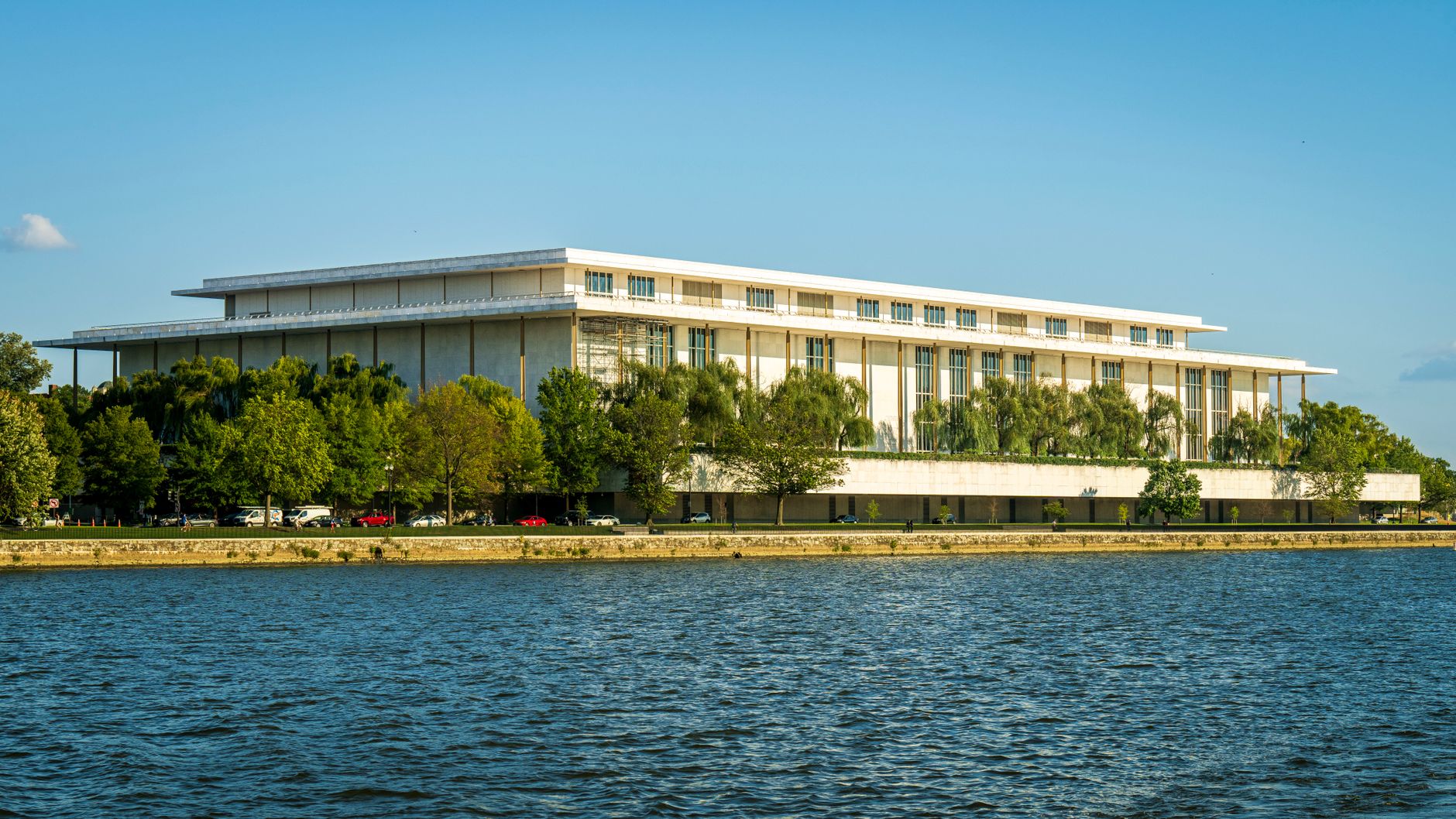
The case is the latest chapter in a fight that has divided artists, donors, and lawmakers since Trump moved to overhaul the Kennedy Center’s board of trustees early in his second term, installing loyalists and ultimately taking the chairmanship himself. Plaintiffs in the case, who include former board members and arts advocacy groups, argued that altering the center’s name would breach its status as a living memorial to President John F. Kennedy, a designation set by federal law.
What the Judge Decided
According to court filings, the judge found that the Kennedy Center’s founding statute explicitly ties the institution’s name and mission to honoring the 35th president, and that any structural or branding change of that magnitude would require congressional action rather than a unilateral board vote. The ruling reaffirmed an earlier decision from earlier this year that similarly blocked proposals to incorporate Trump’s name into the center’s official title or physical signage.
“The Kennedy Center is not simply a performance venue; it is a federally chartered memorial,” the judge wrote, according to reporting on the filing. “Its name reflects a specific congressional intent that cannot be superseded by internal board resolutions.”
Attorneys for the Kennedy Center’s current leadership had argued that the board retained broad discretion over naming rights and branding decisions, comparing the proposal to standard practices at other cultural institutions that sell naming rights to donors or sponsors. The judge rejected that comparison, noting that the center’s federal charter distinguishes it from privately funded venues.
Background on the Takeover
Trump’s push to reshape the Kennedy Center began in early 2025, when he dismissed several sitting board members and installed new appointees, later naming himself chairman — a first for a sitting U.S. president. The move triggered resignations from prominent artists and performers who had been affiliated with the center, along with the cancellation of scheduled bookings by some touring productions.
Supporters of the reorganization have framed it as an effort to reduce what they describe as ideological programming bias and restore broader appeal to the venue’s offerings. Critics, including several former trustees, have characterized the takeover as an unprecedented politicization of a nonpartisan cultural institution.
The naming dispute is one of several legal challenges tied to the leadership change. Separate litigation is reportedly ongoing over the removal of board members and changes to programming decisions made since the takeover.
Reaction and Next Steps
A spokesperson for the Kennedy Center said the institution was reviewing the ruling and had not decided whether to appeal. The White House has not issued an official response to the decision.
Arts advocacy groups involved in the lawsuit welcomed the outcome. “This ruling protects the integrity of a national memorial from becoming a vehicle for any single administration’s branding,” one plaintiff attorney said in a statement following the decision.
“The Kennedy Center belongs to the American public, not to any one officeholder,” the attorney added.
Legal analysts note that an appeal, if filed, would likely go to the U.S. Court of Appeals for the D.C. Circuit, a process that could take months to resolve. In the meantime, the center’s signage and official name remain unchanged.
Why It Matters
The dispute underscores broader tensions over the governance of federally chartered cultural institutions and the limits of executive influence over organizations historically insulated from direct political control. The Kennedy Center, which hosts hundreds of performances annually and serves as one of Washington’s most visible cultural landmarks, has functioned since its creation as a bipartisan tribute to the assassinated president, funded through a mix of congressional appropriations and private donations.
The ruling does not affect other changes made to the center’s board composition or programming decisions, which remain the subject of separate legal proceedings. For now, the institution continues to operate under its original name as litigation over its broader governance continues to play out in federal court.