The Congressional Budget Office said Tuesday that US military operations connected to the conflict with Iran have cost taxpayers more than $38 billion since American forces first became directly engaged earlier this year. The nonpartisan office released the figure in a report requested by members of the House and Senate Armed Services Committees, marking the first comprehensive federal accounting of the campaign’s price tag.

The estimate covers spending from the opening weeks of US strikes on Iranian military and nuclear-linked sites through the end of August, and budget analysts cautioned that the true total is likely higher once classified intelligence and cyber operations are factored in.
What the Report Covers
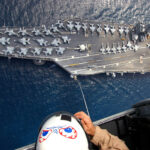
According to the CBO breakdown, the largest share of the $38 billion went toward munitions and precision-guided weapons expended during the initial air campaign, followed by costs tied to carrier strike group deployments, fighter squadron rotations, and expanded base security across the Middle East. A smaller but growing portion of the total has gone toward reinforcing regional partner installations and replenishing air defense systems supplied to allies in the Gulf.
- Munitions and precision weapons: roughly $16 billion
- Naval and air deployments: approximately $11 billion
- Base security and force protection: about $6 billion
- Partner-nation support and reconstruction: near $5 billion
The office noted that these figures represent obligated and spent funds rather than long-term projections, meaning the total will almost certainly climb if US forces remain engaged in the region through the end of the fiscal year.
Congressional Reaction
Lawmakers on both sides of the aisle said the report underscores the need for clearer Pentagon reporting on war costs going forward. Members of both parties have called for the Defense Department to submit quarterly cost updates rather than relying on periodic budget office reviews, arguing that Congress needs real-time visibility into how appropriated funds are being spent.
“Whatever people think about the policy, taxpayers deserve a straight answer about what this is costing,” one senior committee aide said, describing the CBO figure as a starting point rather than a final tally.
Some members have pushed for a formal supplemental funding request to be debated on the floor, rather than continuing to draw from existing defense accounts, which they argue obscures the war’s true fiscal footprint. Others have cautioned against politicizing military spending decisions while operations remain active, emphasizing troop safety and mission continuity.
Comparisons to Past Conflicts
Budget analysts noted that the $38 billion figure, accumulated over several months, is proceeding at a faster rate than early spending in some past Middle East campaigns, largely due to the intensity of the air campaign and the cost of modern precision munitions, which have risen sharply in price in recent years. Replenishing stockpiles of long-range missiles and guided bombs has been identified as a particular strain, with defense officials previously warning that US inventories of certain munitions were already stretched thin before the conflict began.
The report arrives against a broader backdrop of scrutiny over how the US has justified and executed its military posture toward Iran. Questions have also persisted about the intelligence basis for earlier regional strikes, including reports that Iran used Chinese-sourced satellite imagery in planning the fatal Tower 22 attack on US soldiers in Jordan, an episode that continues to shape congressional views on Iranian capabilities and intentions.
What Comes Next
The CBO has indicated it will issue updated estimates as the fiscal year closes, and defense officials are expected to testify before House and Senate panels in the coming weeks. Analysts say the final cost will hinge heavily on how long US forces remain in an active posture in the region, whether additional strikes are ordered, and how quickly munitions stockpiles can be rebuilt.
For now, the $38 billion figure gives Congress its clearest picture yet of the financial scale of the campaign, even as the human and strategic costs remain the subject of ongoing debate in Washington.