Used bookstores across Japan are reporting sales surges of up to five times their normal volume in recent weeks, as bulk buyers sweep through shelves and, in some cases, purchase entire inventories by weight rather than by title. According to accounts circulating among Japanese secondhand booksellers, the buying pattern has intensified sharply since late summer, with some shops selling out of stock they would typically take months to move.
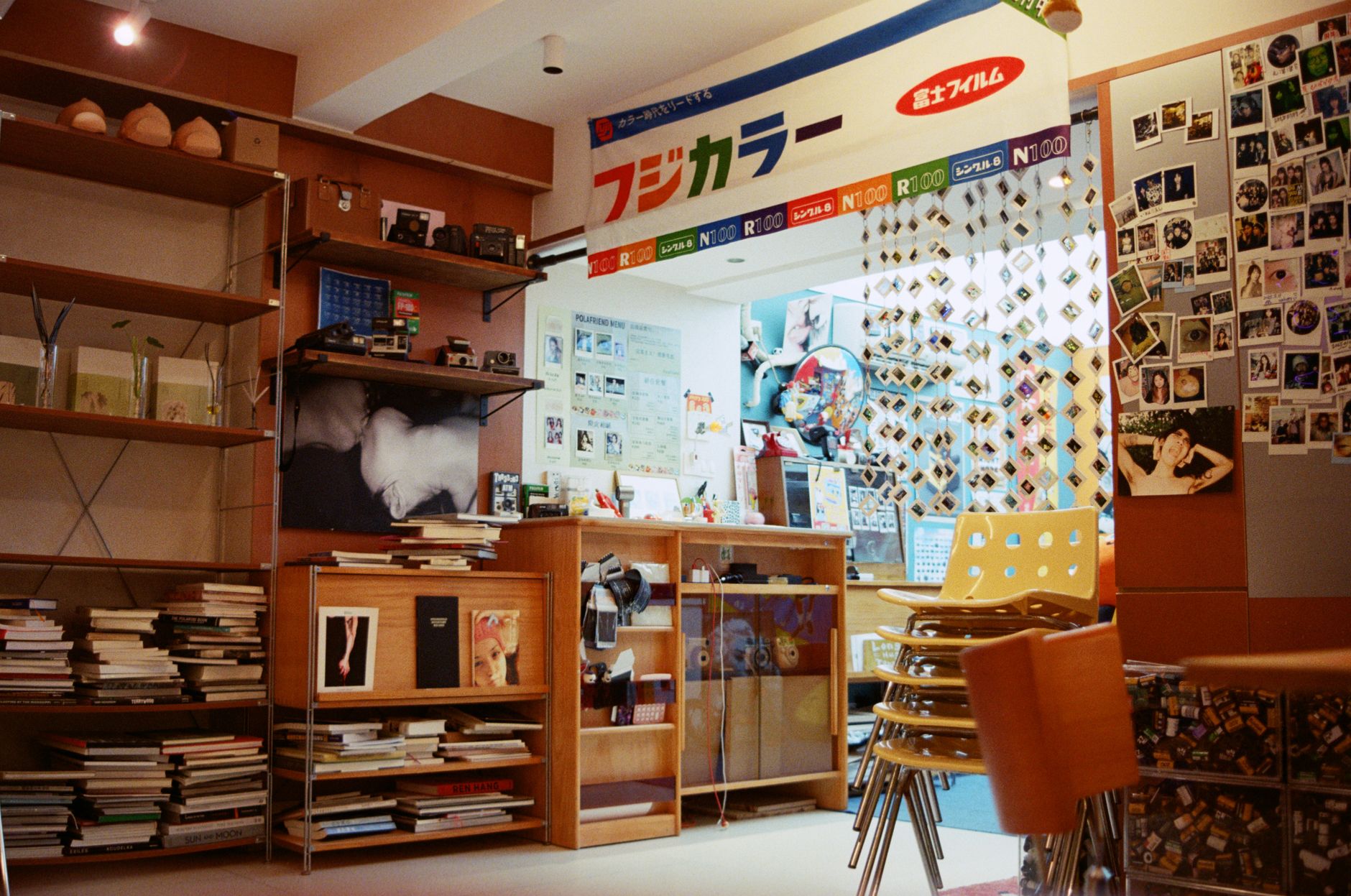
The phenomenon has drawn attention because of the scale and nature of the purchases. Rather than collectors or resellers seeking specific volumes, buyers are reportedly acquiring books indiscriminately, often paying by the kilogram. One shipment alone, weighing an estimated 50 tons, was reportedly sent from Japan to the United States. Industry observers and booksellers suspect the destination for many of these shipments is not a library or archive, but facilities that scan books and then destroy them.
Why Buyers Want Books by the Ton
The leading explanation circulating among booksellers and technology commentators is that the books are being acquired for use as training material for artificial intelligence systems. Large language models require vast quantities of text to improve their performance, and physical books, particularly older or out-of-print titles not readily available in digital form, represent a data source that has not yet been fully mined.
Scanning a physical book destroys its binding in many high-speed digitization processes, since pages are typically cut from the spine to allow automated scanners to photograph each page quickly. That process would explain why so many of these purchased volumes reportedly do not resurface in resale markets after being bought. Once digitized, the paper copies are said to be discarded or pulped rather than preserved.
Booksellers describe buyers who show little interest in genre, condition, or author, focusing instead purely on volume and price per kilogram, a pattern rarely seen in the secondhand book trade.
A Trade Long Built on Curation, Now Upended
Japan has one of the world’s most robust used-book economies, anchored by chains such as Book Off and countless independent shops in cities like Tokyo and Osaka. That market has traditionally depended on careful sorting, with staff pricing individual titles based on condition, demand, and rarity. The recent bulk-buying trend represents a departure from that model, with some shop owners saying they have sold off entire back-stock sections at a fraction of what individual books would normally fetch, simply to clear space and capture the sudden demand.
For some smaller bookstores, the surge has provided a welcome financial boost after years of declining foot traffic and competition from e-readers and online retailers. Others have expressed unease at watching large volumes of literature, including out-of-print works with cultural or historical value, apparently vanish into shipping containers bound for destruction rather than for readers.
Copyright and Data Sourcing Questions
The reported buying spree arrives amid intensifying scrutiny of how AI companies source training data. Publishers and authors in multiple countries have filed lawsuits alleging that AI firms used copyrighted material without permission or compensation. Acquiring physical copies of books through open retail markets, rather than downloading text from pirated digital libraries, could represent an attempt by some AI developers or data-brokerage firms to establish a cleaner legal chain of custody for training material, since the books were purchased rather than copied without authorization.
However, questions remain unresolved about whether buying a physical book confers the right to scan, digitize, and use its contents for training a commercial AI model. Copyright attorneys note that reproduction rights are typically separate from ownership of a physical copy, meaning the legality of mass-scanning purchased books for AI training has not been clearly settled in Japanese or American courts.
Neither the identities of the buyers nor the specific companies operating the scanning facilities have been confirmed publicly, and no major technology company has acknowledged involvement in the reported purchases. The lack of transparency has fueled speculation among booksellers and online communities about which firms might be behind the shipments, though no verified source has named a specific buyer.
Part of a Broader Pattern of AI Backlash
The book-buying surge is the latest episode in a string of consumer and industry unease surrounding rapid AI deployment, following controversies ranging from flawed smart-home software to disputes over AI-generated content. NarwhalTV has previously covered how AI rollouts have sparked public frustration, including the Samsung AI fridge update that triggered outrage after failures left customers with malfunctioning appliances.
For now, Japan’s secondhand booksellers say they are simply keeping pace with unprecedented demand, even as many remain uncertain about the ultimate fate of the volumes leaving their shelves. Whether regulators or publishers will move to clarify the legal status of mass book scanning for AI purposes remains an open question, one that could shape how AI companies source training data going forward.
NarwhalTV will continue following developments as more information emerges about the buyers, the scanning facilities, and any potential legal or regulatory response.