The Pentagon has launched an investigation into how components associated with the F-35 stealth fighter jet were obtained by China, U.S. officials confirmed this week. The probe centers on the security of the aircraft’s global supply chain and raises fresh questions about Beijing’s long-running effort to acquire American military technology.
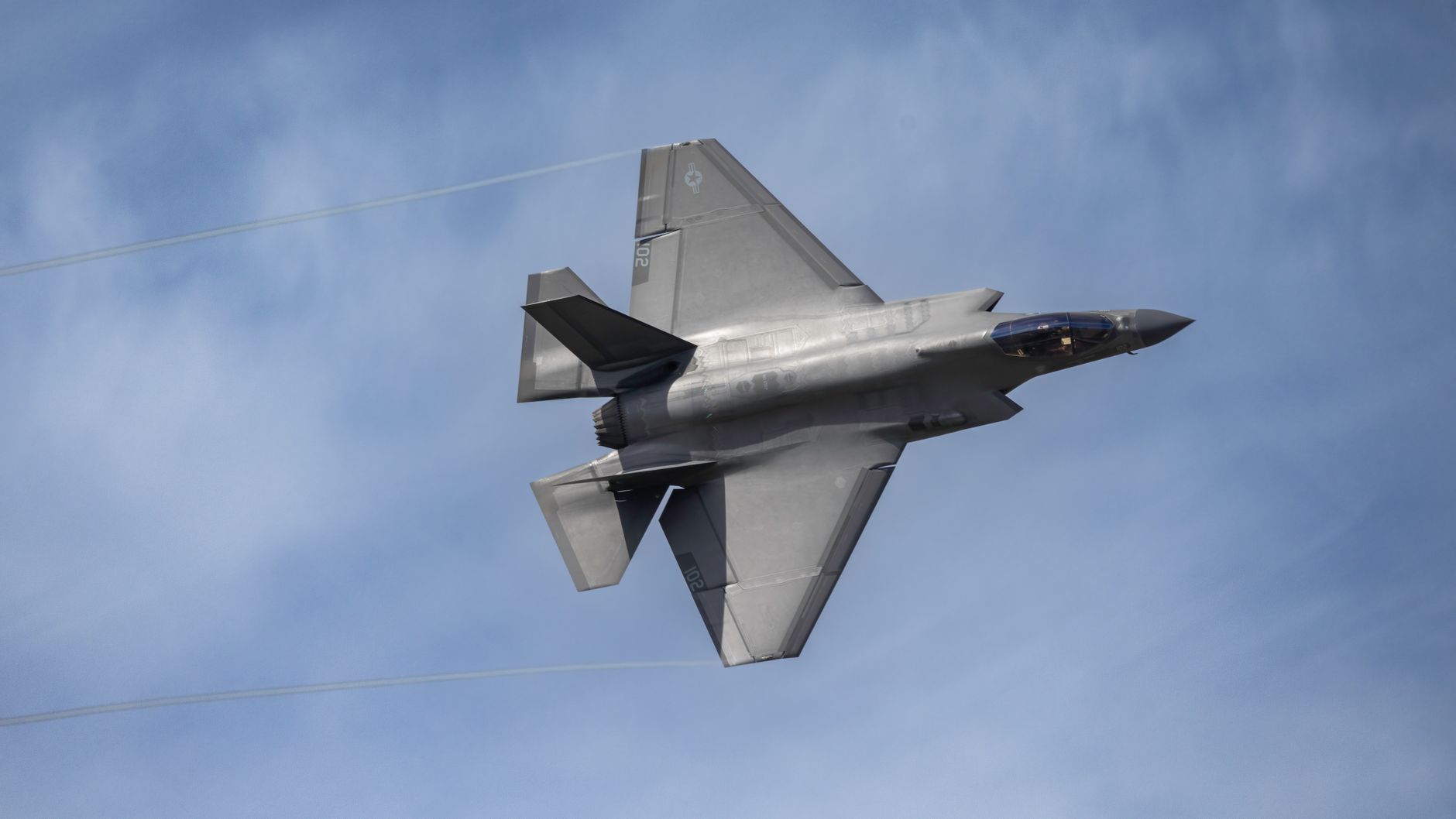
Officials have not publicly identified every part involved or specified how it left authorized channels, but the Department of Defense confirmed an active review is underway. The F-35 program, built primarily by Lockheed Martin, is the most expensive weapons system in U.S. history and involves thousands of suppliers across the United States and allied nations, creating a sprawling network that security officials have long flagged as vulnerable to infiltration.
A Recurring Target
The F-35 has been a persistent target for Chinese intelligence services for more than a decade. Cybersecurity researchers and U.S. officials have previously linked breaches of contractor networks to the theft of design data that reportedly informed development of China’s own stealth aircraft, including the J-20 and the newer J-35, a jet widely seen as bearing a strong resemblance to the F-35 in both form and function.
The Justice Department has in recent years prosecuted several individuals accused of attempting to illegally export restricted aerospace components, including parts tied to fighter jet programs, to China. Those cases typically involved brokers or intermediaries attempting to route sensitive hardware through third countries to obscure its final destination, a tactic export-control experts say remains common.
“Every time we tighten one seam in the supply chain, adversaries look for the next one,” a former Pentagon acquisition official told reporters, describing the challenge of monitoring a program that spans dozens of countries and thousands of subcontractors.
What Investigators Are Examining
According to officials familiar with the matter, the current investigation is focused on several key questions:
- Whether the parts were diverted from an authorized supplier, stolen, or obtained through a black-market broker
- Whether any classified or export-controlled technical data accompanied the physical components
- Which entities inside China received or requested the materials
- Whether existing export-control and supply-chain vetting procedures failed, and if so, where
The Pentagon’s Defense Counterintelligence and Security Agency, along with the FBI, typically leads reviews of this kind, working alongside Lockheed Martin’s internal security teams and the program office overseeing F-35 production. Neither Lockheed Martin nor the Pentagon has released a detailed public timeline for the investigation, and officials have cautioned that early findings could shift as the review progresses.
Strategic Stakes
The F-35 remains central to U.S. and allied air power, flown by American forces and more than a dozen partner nations, including several in Europe and the Indo-Pacific. Its stealth coatings, sensor fusion systems, and avionics represent decades of research investment, making any leak of design or manufacturing detail a significant strategic concern for the Pentagon and its allies.
China’s rapid modernization of its own air force, including expanded production of stealth-capable fighters, has heightened Washington’s sensitivity to any technology transfer, intentional or not. Analysts note that even seemingly minor components, such as specialized coatings, sensor housings, or electronic warfare hardware, can offer adversaries valuable insight into how the aircraft achieves its low-observable profile.
Broader Pattern of Scrutiny
This investigation follows a series of recent incidents in which U.S. and allied officials have raised alarms about foreign access to sensitive American technology through supply chains, hacking, or insider threats. It echoes broader tensions between Washington and Beijing over intellectual property and industrial espionage, an issue that has also touched consumer technology and corporate sectors far outside the defense industry.
The case also arrives amid heightened attention to accountability in China’s own governance, illustrated by the recent case in which a Chinese official was sentenced to death over $325 million in bribes, underscoring Beijing’s own crackdowns even as it faces international scrutiny over espionage allegations.
What Happens Next
Pentagon officials say the investigation is ongoing and that findings could lead to tightened export controls, new vetting requirements for subcontractors, or referrals for criminal prosecution if evidence points to deliberate diversion of restricted materials. Congressional defense committees are also expected to seek briefings on the matter, given the F-35 program’s scale and its role in U.S. and allied defense planning.
For now, officials are declining to speculate publicly on the scope of any damage or whether China’s stealth fighter programs directly benefited from the parts in question. Defense analysts say a definitive public accounting, if one comes at all, is likely months away given the classified nature of most F-35 program security reviews.
NarwhalTV will continue to follow developments in this investigation as new details emerge from the Pentagon and congressional oversight committees.