MacKenzie Scott has given Meals on Wheels America a $70 million grant — the largest single gift in the nonprofit’s history — to help the organization reach seniors stuck on waitlists that now stretch up to four months, according to Fortune. The gift arrived with no restrictions attached, meaning local programs can spend the money however they judge best.
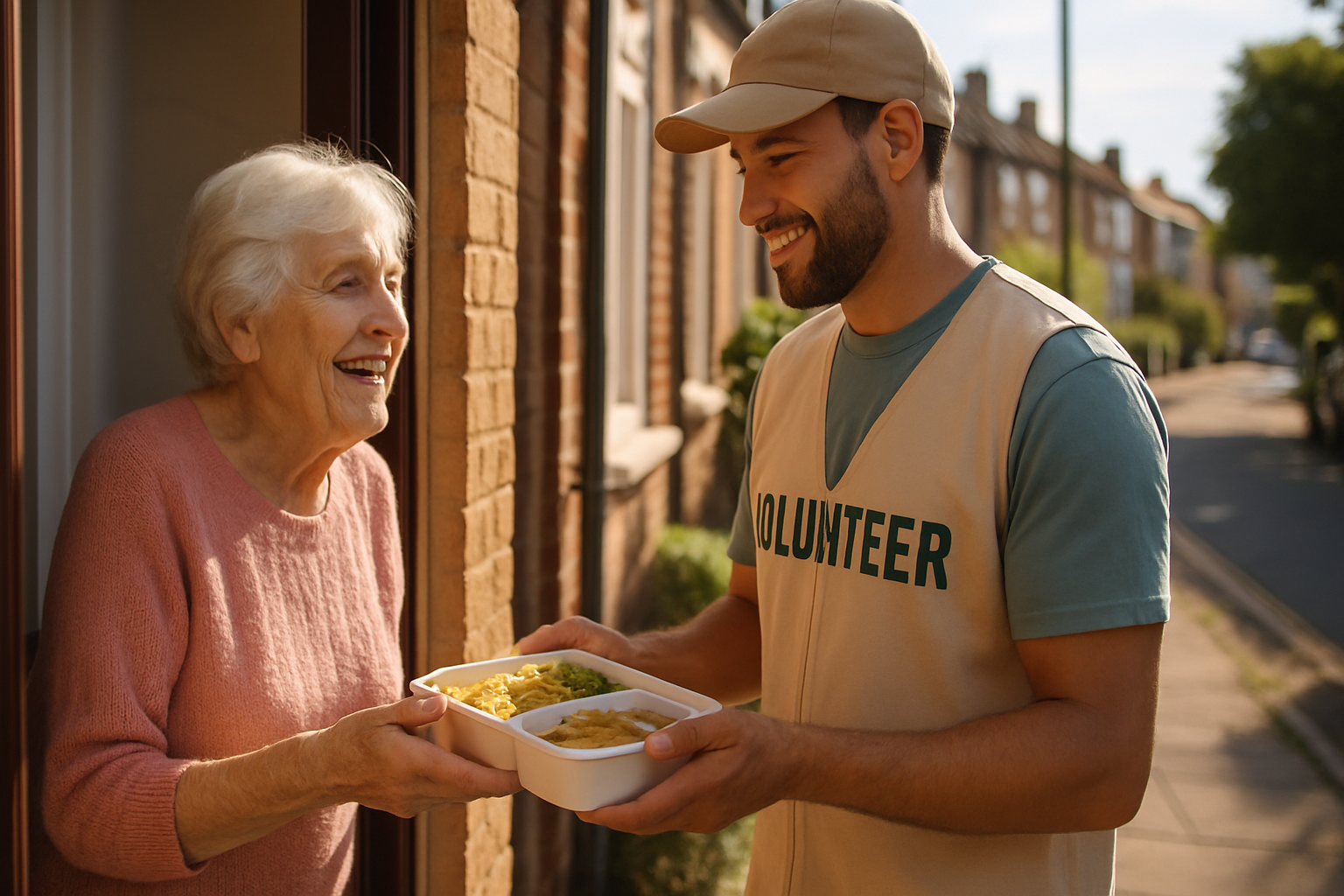
The non-obvious detail buried in the announcement: the grant is expected to fund meals for up to two million people — roughly one in five of all Americans currently relying on the Meals on Wheels network. That scale puts Scott’s single check on par with what many state governments allocate to senior nutrition programs annually.
Why the Waitlist Crisis Makes This MacKenzie Scott Donation Urgent
Meals on Wheels America, which coordinates more than 5,000 community-based programs across the country, has seen demand surge in the past two years as inflation and reduced federal nutrition funding squeezed local chapters. The result: elderly people who qualify for home-delivered meals are waiting up to four months before a single meal arrives at their door. For seniors with limited mobility or no nearby family, that gap can mean skipped medications, rapid weight loss, and preventable hospitalizations.
The $70 million grant gives local affiliates the cash to hire drivers, expand kitchen capacity, and buy food without waiting on grant cycles or government appropriations. Because Scott attaches no strings to her gifts, program directors can respond to the specific pressures in their own communities — whether that means adding weekend delivery routes or stocking shelf-stable emergency boxes.
Scott’s Giving in 2025 Hit $7.2 Billion — With No Strings Attached
The Meals on Wheels gift is a continuation of a giving pattern that has reshaped American philanthropy. In 2025 alone, Scott donated $7.2 billion to charitable causes, according to Fortune. That figure makes her one of the largest individual donors in a single calendar year on record, surpassing the annual charitable budgets of most major private foundations.
Scott’s signature approach — unrestricted, trust-based giving — stands apart from the traditional philanthropic model. Most large foundations require grantees to submit detailed budgets, meet specific benchmarks, and report back on narrow metrics. Scott’s team identifies organizations with strong track records, writes them a check, and steps back. Critics of conventional philanthropy have called that model transformative; it shifts power from donors to the people closest to the problems.
Since her divorce from Amazon founder Jeff Bezos in 2019, Scott has given away more than $19 billion across education, racial equity, food security, and housing — all through the same no-strings framework. She has signed the Giving Pledge, committing to donate the majority of her wealth during her lifetime.
What the Money Means on the Ground
Meals on Wheels programs do more than drop off food. Drivers are often the only outside contact an isolated senior receives all day, and they are trained to flag signs of a fall, cognitive decline, or a medical emergency. Studies have found that regular meal delivery reduces hospitalization rates and delays nursing home placement — outcomes that save the broader healthcare system money while keeping seniors in their homes longer.
With Scott’s $70 million now in its account, Meals on Wheels America says it can begin working down the backlog of waitlisted seniors immediately. Local chapters will receive disbursements based on current need, with the programs serving the longest waitlists prioritized first.
The gift also arrives at a moment when elderly food insecurity is drawing broader attention. Researchers tracking breakthroughs in dementia care have noted that malnutrition accelerates cognitive decline in older adults, making access to regular meals a health issue as much as a hunger issue.
A New Benchmark for Philanthropic Speed
What separates Scott’s approach from traditional large-scale giving is velocity. Her team has developed a process for identifying and vetting recipients quickly, so money moves from her bank account to a nonprofit’s operating budget in weeks rather than the years a typical foundation grant cycle can take. For organizations like Meals on Wheels — where a delay means a senior goes hungry today — that speed is as valuable as the dollar amount.
The broader philanthropic community is watching. Several major donors have begun publicly questioning whether the restrictions they attach to grants slow impact more than they ensure accountability. Scott’s results — organizations consistently reporting they used unrestricted funds to do things they never could have budgeted for — are becoming a case study in business schools and nonprofit management programs alike.
For the seniors currently on a four-month waitlist, the debate is academic. What matters is that the check has cleared and local programs are already planning expanded routes. Meals on Wheels America says delivery expansions should begin rolling out to the highest-need communities within the next few weeks.