Service workers at SoFi Stadium in Inglewood, California — one of the primary 2026 FIFA World Cup venues — have voted to authorize a strike, according to the Associated Press. The vote came just days before the tournament’s opening matches, putting enormous pressure on stadium management and FIFA organizers at one of the most-watched sporting events on Earth.
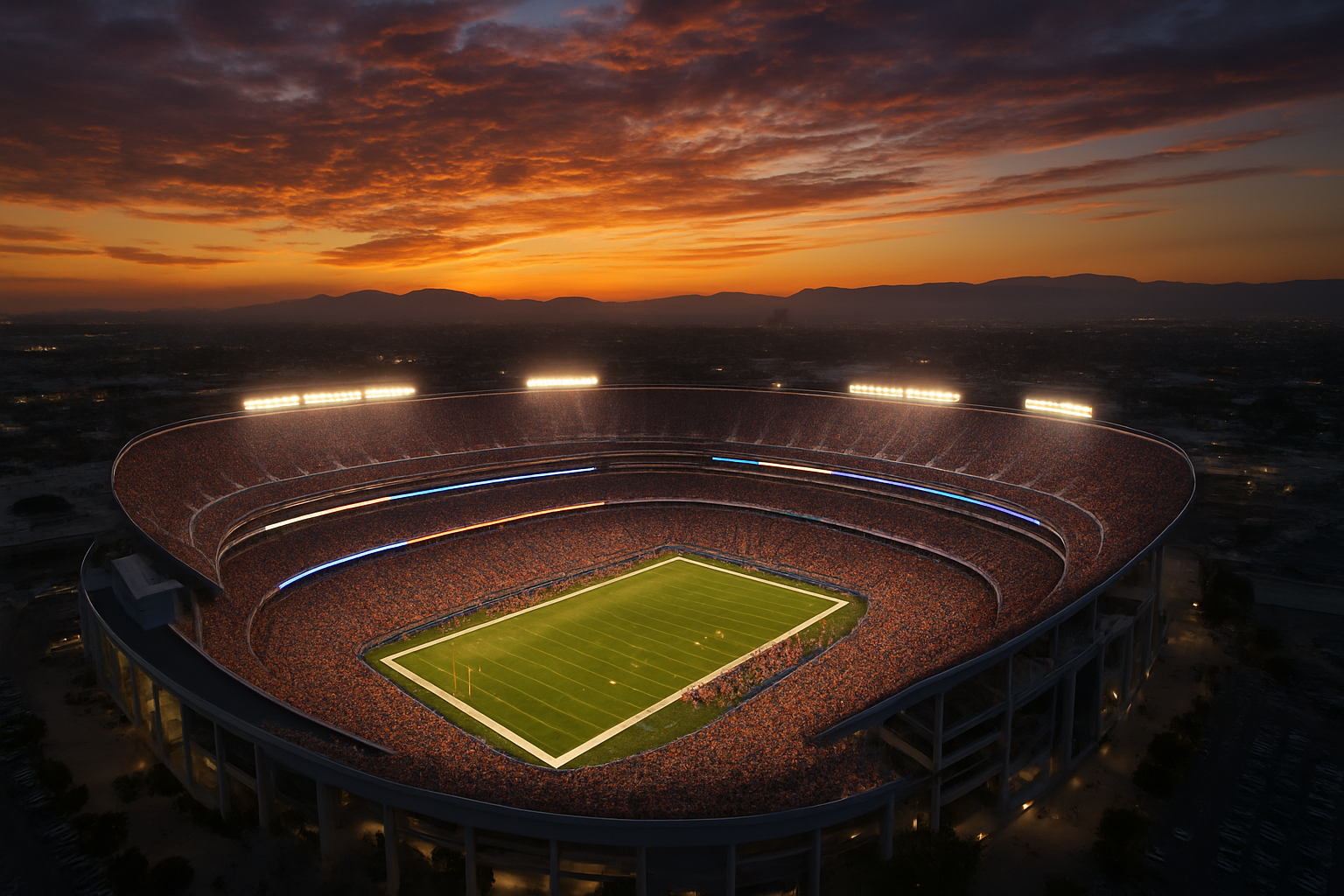
The non-obvious detail buried in this story: the workers affected are not athletes or media staff — they are the concession attendants, janitors, parking attendants, and security personnel whose labor makes a 70,000-seat venue actually function on game day. A walkout by this group could leave stadiums understaffed during matches broadcast to a global audience of billions.
Why the Stadium Workers Strike Vote Happened Now
Workers, represented by UNITE HERE and other labor groups, say their key demands center on wages, healthcare benefits, and scheduling protections. The timing is deliberate. With the World Cup bringing an estimated surge of hundreds of thousands of international visitors to the Los Angeles area, workers have significant leverage that they would not have during a regular NFL or concert season.
Union representatives argue that the cost of living in the greater Los Angeles area has outpaced wages at the venue. Inglewood, home to SoFi Stadium, sits in one of the most expensive housing markets in the United States, making the economic pressure on hourly workers especially acute.
What a Strike Would Mean for World Cup Matches
An authorized strike does not mean a walkout is automatic or imminent. It gives union leadership the legal authority to call a strike at any time during ongoing contract negotiations — effectively a loaded pressure tactic at the bargaining table. Talks between union representatives and stadium management are ongoing.
But the stakes of a failed deal are real. SoFi Stadium is scheduled to host multiple group stage matches as well as knockout-round games. Reduced staffing could affect everything from food and beverage service to crowd management and cleaning between matches. FIFA has strict operational standards for host venues, and any visible disruption would draw global scrutiny.
The Los Angeles area is hosting more World Cup games than any other U.S. city in 2026. The region is already under the international spotlight, and a labor action at one of its flagship venues would amplify that attention considerably.
Broader Labor Tensions Around the 2026 Tournament
This vote did not emerge in a vacuum. Labor actions at major U.S. sporting events have accelerated in recent years as unions test their power during high-profile moments. The 2026 World Cup, co-hosted by the United States, Canada, and Mexico, has drawn particular scrutiny over worker treatment given the tournament’s record commercial revenues and FIFA’s multi-billion-dollar media rights deals.
Workers in other host cities have also raised concerns about compensation and working conditions, though the Los Angeles situation is the most advanced in terms of formal strike authorization. This is partly because California has some of the most robust collective bargaining laws in the country, making it easier for workers to organize and escalate.
For context on how major live events can hinge on behind-the-scenes labor, consider the complexities explored in how Broadway productions depend on every worker in the building to deliver a seamless experience to audiences.
What Happens Next
Both sides face mounting urgency. Management must weigh the reputational and operational cost of a strike against the cost of meeting union demands. Workers, meanwhile, know their leverage peaks the moment the first whistle blows — and drops sharply once the tournament ends.
FIFA and U.S. Soccer have not publicly commented on the labor dispute as of the time of publication. The 2026 World Cup organizing committee has previously stated that host venues are responsible for their own staffing and labor agreements.
Negotiations are expected to intensify over the coming days. If a deal is reached, it could set a precedent for service worker contracts at other World Cup venues across the country. If talks collapse, SoFi Stadium could become the backdrop for one of the most visible labor actions in recent American sports history — all broadcast live to a watching world.
The Philippines recently dealt with a different kind of crisis that tested emergency infrastructure; you can read about the 8.2-magnitude earthquake that triggered a tsunami alert for a sense of how quickly large-scale logistics can be overwhelmed. The comparison underscores just how much depends on every layer of a major event running smoothly.