The French Senate has approved legislation intended to force people convicted of violence or vandalism during demonstrations to pay for the damage they cause, handing a symbolic victory to the chamber’s right-leaning majority and reopening one of the most contentious debates in French public life. The vote in the upper house in Paris sends the text toward the National Assembly, where its prospects are considerably dimmer.
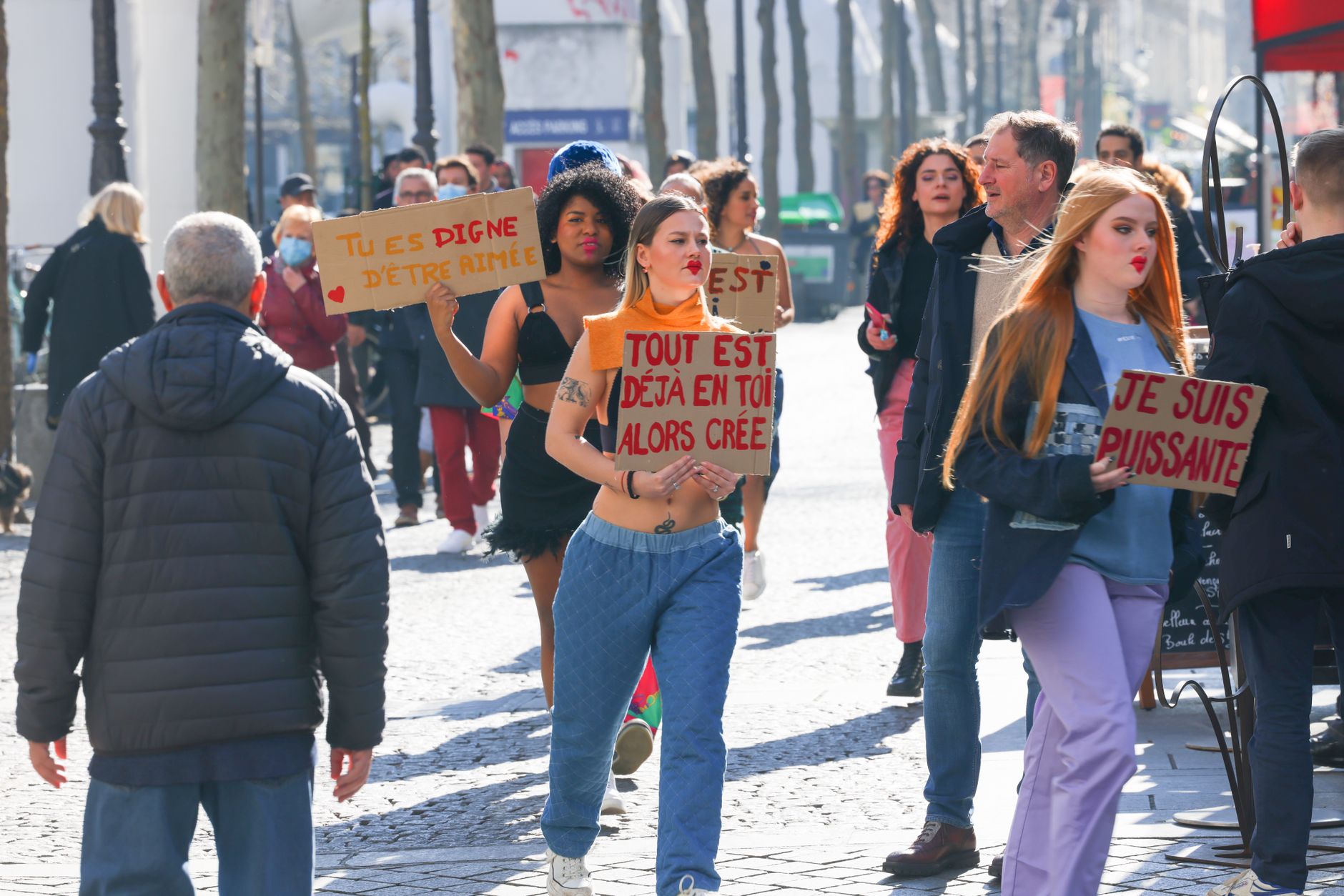
Supporters describe the measure as a matter of basic fairness: that taxpayers, shopkeepers and local authorities should not absorb the cost of burned cars, smashed storefronts and wrecked public buildings. Opponents, including trade unions and left-wing lawmakers, argue the bill risks deterring lawful participation in protest, a right with deep constitutional and historical roots in France.
What the bill would do
The core of the text is civil liability. It is designed to make it easier for the state, municipalities, public transport operators and private victims to recover the cost of repairs from individuals who have been convicted of offences committed during a demonstration or riot — and, in the versions pushed by the Senate’s right, to allow recovery of some of the public money spent on the response, including policing and clean-up.
Related provisions discussed during the Senate debate have included stiffer penalties for destruction of property committed in a group, wider use of court-ordered bans on attending demonstrations for repeat offenders, and tighter obligations on those who formally declare a protest to the authorities.
Much of this builds on tools that already exist in French law. Article 1240 of the Civil Code already establishes a general duty to compensate for harm caused by one’s own fault, and the Penal Code already treats organised destruction of property as an aggravated offence. In practice, however, recovery is rare: identifying individual culprits in a crowd is difficult, prosecutions often target a small fraction of participants, and many of those convicted have no assets to seize. Critics of the bill say that gap is practical, not legal, and that new text will not fix it.
Why now
France has had an unusually dense run of street confrontation over the past decade. The gilets jaunes movement that began in late 2018 produced repeated damage along the Champs-Élysées and in regional city centres. The 2023 pension protests, triggered by the government’s decision to raise the retirement age, drew millions into the streets and ended in nights of clashes and arson in several cities.
The sharpest reference point remains the nationwide unrest of late June and early July 2023, after a 17-year-old, Nahel Merzouk, was shot dead by a police officer during a traffic stop in Nanterre. Thousands of vehicles were burned, hundreds of public buildings — including schools, town halls and police stations — were attacked, and insurers put the cost at hundreds of millions of euros. Proposals to make rioters and, in some drafts, their parents financially responsible surfaced immediately afterward and have circulated in the Senate ever since.
More recent mobilisations, including farmers’ blockades and the protest and strike waves that accompanied France’s budget crises and rapid turnover of prime ministers, have kept the question alive. Mayors’ associations have been among the loudest voices demanding a clearer route to compensation, arguing that small communes cannot absorb the cost of a destroyed municipal building.
The constitutional problem
France has tried something similar before. The 2019 law on “maintaining public order during demonstrations” — widely known as the loi anticasseurs — was partly struck down by the Constitutional Council, which annulled a provision allowing prefects to ban individuals from protests on administrative grounds, finding it gave the executive excessive discretion over a constitutionally protected freedom.
That precedent shapes the current fight. Legal scholars quoted in the French press have flagged two risks in the Senate text: that liability could drift toward collective punishment, with people held responsible for damage they did not personally cause, and that charging demonstrators for policing costs could function as a financial barrier to assembly. Any version that reaches final adoption would almost certainly be referred to the Constitutional Council by opposition lawmakers.
The disagreement is not really about whether vandals should pay. It is about who counts as a vandal, and who decides.
A hard road through the Assembly
The Senate is elected indirectly by local officials and has leaned toward Les Républicains and the centre-right for years, which makes it a reliable venue for law-and-order texts. Passage there is not passage into law. Bills must clear the National Assembly, which has been fragmented since the 2024 snap election left no bloc with a majority and has since struggled to pass even routine budget legislation.
The left-wing bloc has signalled firm opposition, with the CGT and other unions arguing that the bill targets the labour movement as much as rioters. Sections of the right and far right have pushed for an even tougher version. That leaves the government in the familiar position of needing votes from both directions at once — the dynamic that has stalled a long list of proposals in the current parliament.
What to watch next
- Scheduling: whether the government gives the text time on the Assembly floor, or lets it sit, as it has with other Senate initiatives.
- Scope: whether liability stays tied to individual criminal convictions or is widened to organisers and parents of minors.
- Policing costs: the most legally exposed element, and the one most likely to be stripped out in committee.
- Constitutional referral: near-certain if the bill advances, with the 2019 ruling as the benchmark.
For now the practical effect is zero. France’s existing rules on compensation and criminal damage remain unchanged, and the Senate vote functions primarily as a political marker: a statement from the upper house about where it wants the balance between public order and public protest to sit, delivered to a lower house that has shown little appetite for settling the question.
Readers following other legal fights over accountability and institutional power may also be interested in our coverage of a Brazilian court cancelling Flávio Bolsonaro’s passports and an attempted hack of US Federal Election Commission systems.