A trending headline on Reddit’s r/technology claims U.S. stock futures fell on speculation that Democratic gains in the midterm elections could slow data center construction. The claim concerns U.S. markets around the Nov. 3, 2026, elections, but the headline alone does not establish, as of Nov. 4, the size of any decline, the election outcome or a policy connection.
That distinction matters because the story combines three separate questions: whether futures declined, whether election expectations contributed to the move, and whether a change in political control would actually impede construction. Each requires evidence beyond a headline.
What the futures claim does—and does not—show
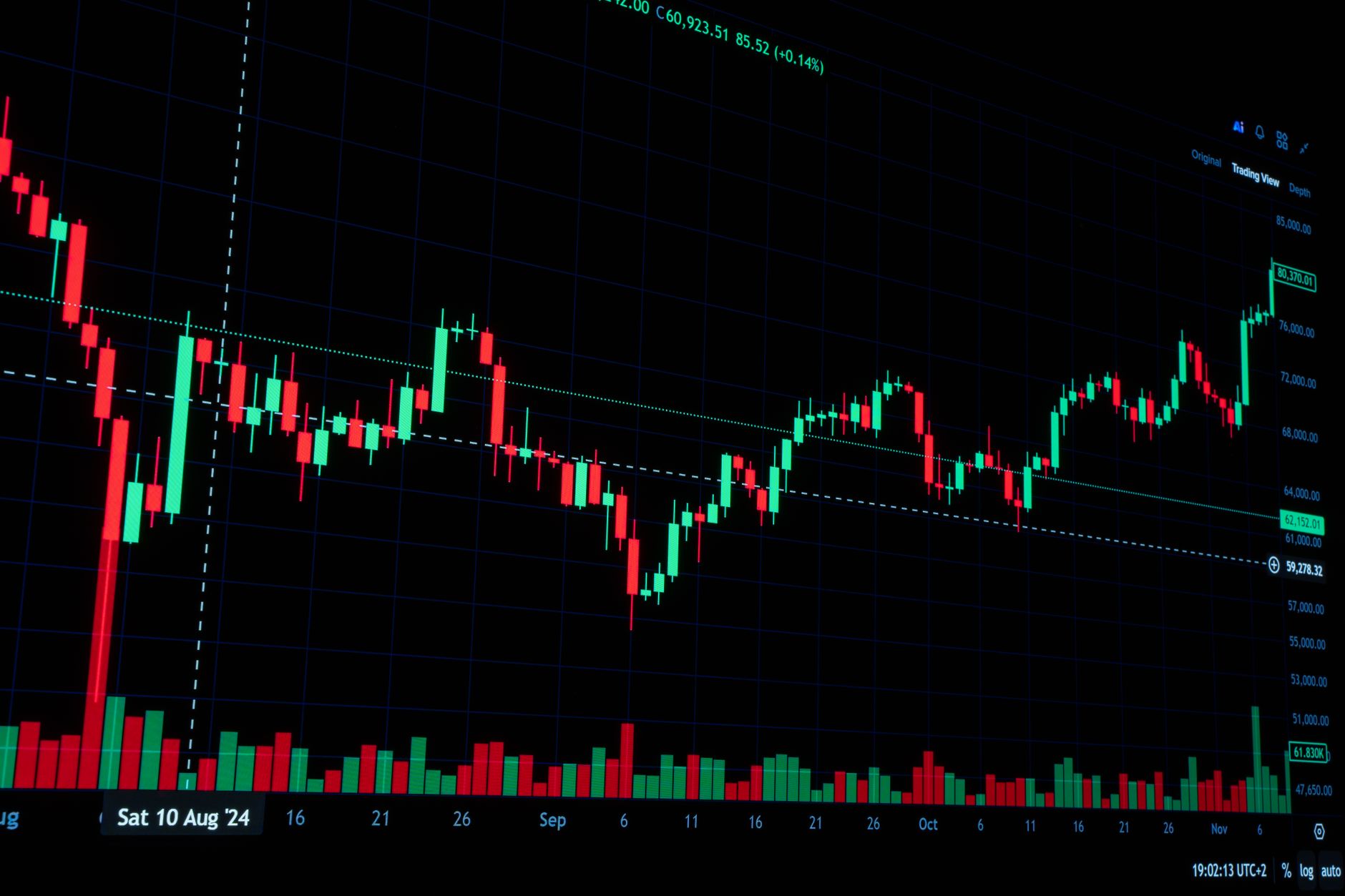
The supplied headline identifies no futures contract, percentage change, trading timestamp or underlying news report. Without those details, it is not possible to determine whether the alleged move affected the S&P 500, Nasdaq-100, Dow Jones Industrial Average or another benchmark, or whether it represented a brief fluctuation rather than a sustained selloff.
Stock index futures allow traders to take positions on a benchmark’s expected value. They trade beyond regular U.S. stock market hours and can react quickly to election developments, economic releases and corporate announcements. A decline in futures does not necessarily predict where the cash market will finish its next session.
Even a verified decline would not, by itself, prove the explanation offered in the headline. Establishing a political catalyst would require a clear timeline and supporting evidence, such as contemporaneous market commentary, identifiable policy announcements or unusually concentrated losses among exposed companies.
Why data centers matter to the AI trade
Data centers house the computing equipment that supports cloud services, digital communications and artificial intelligence. Building and operating them creates demand for semiconductors, servers, networking systems, cooling equipment, electrical infrastructure and construction services.
Investors can therefore view a potential construction slowdown as relevant to more than the companies developing the facilities. Delayed projects may postpone equipment orders, reduce near-term revenue opportunities for suppliers or complicate assumptions about how quickly additional computing capacity will become available.
But the financial consequences are not uniform. A delayed facility could hurt one supplier while easing spending pressure on its customer. Scarcer available capacity could also benefit an existing operator. The effect depends on contracts, financing, project schedules and the reason for the delay.
That company-by-company distinction also matters when assessing broader claims about AI-related market losses, a subject addressed in NarwhalTV’s Tech Stocks Face AI Scrutiny After Reported $1T Drop. A large headline number is not a substitute for identifying the securities, time period and evidence involved.
Election results are not construction rules
A shift in congressional control can affect legislation, spending priorities, oversight and the prospects for changes to federal permitting or energy policy. It does not automatically stop data center projects or replace the many decisions made by state governments, local authorities, utilities and regulators.
Congressional proposals generally face additional steps before becoming binding policy. The details matter: a proposed disclosure requirement, a change in tax treatment and a restriction on development would have different consequences. Treating them as equivalent would overstate what an election result alone can establish.
Democratic candidates and officeholders also should not be treated as holding one uniform position on data centers. The same applies to Republicans. Individual projects raise questions about jobs, investment, electricity costs, land use and environmental effects that can produce different positions across communities and levels of government.
Without a named proposal or documented commitment from relevant officials, the suggestion that Democratic gains would necessarily slow construction remains a political and market hypothesis—not a demonstrated outcome.
The practical constraints on construction
Data center development depends on more than political support. Projects need suitable sites, financing, equipment and sufficient electricity. Grid connections, transmission upgrades and access to major electrical components can influence when a facility becomes operational.
Local review may involve noise, backup generation, water demand and the allocation of infrastructure costs. Water use varies with cooling technology and operating conditions, while electricity arrangements differ by utility and jurisdiction. Those differences make sweeping national conclusions difficult.
Community opposition can be another factor, but the strength and representativeness of that opposition require scrutiny. NarwhalTV’s Data Center Comments Over 90% Negative, Post Reports addresses a related claim about public feedback. Submitted comments and broader public opinion are different measures and should not be treated as interchangeable.
What would substantiate the headline
A credible assessment of the claimed election-driven decline would need several specific pieces of evidence:
- The futures benchmark, measured decline and precise trading window.
- Verified election developments available to traders during that window.
- A specific policy mechanism that could affect data center schedules or costs.
- Evidence connecting the market reaction to that mechanism rather than unrelated economic or corporate news.
For now, the headline raises a legitimate question about political risk to AI infrastructure without supplying enough evidence to answer it. The useful distinction is between an observed market move, traders’ interpretation of that move and a policy change that actually alters construction. Those are separate developments, and none should be substituted for another.