A security researcher who posts on YouTube under the name Colsto has demonstrated a method of Doppler effect geolocation that can identify where a video or audio clip was recorded to within 100 meters, using nothing more than aircraft noise that is inaudible to human listeners, publicly available flight data and mathematics. TechRadar reported on the technique on November 3, noting that the approach needs less than one minute of sound to work.
The findings were laid out in a viral video in which Colsto walks through how the method works, what it cannot do, and what precautions people might take if they do not want the background of a recording to give away where they are standing.
How Doppler effect geolocation turns engine noise into coordinates
The core of the method is the Doppler effect, the way a sound appears to change as the distance between a moving source and a listener changes. As TechRadar’s Carrie Marshall described it, it is a phenomenon most people encounter constantly: it is what makes fire engine and ambulance sirens, car stereos and airplane propellers seem to shift in pitch as they pass by.
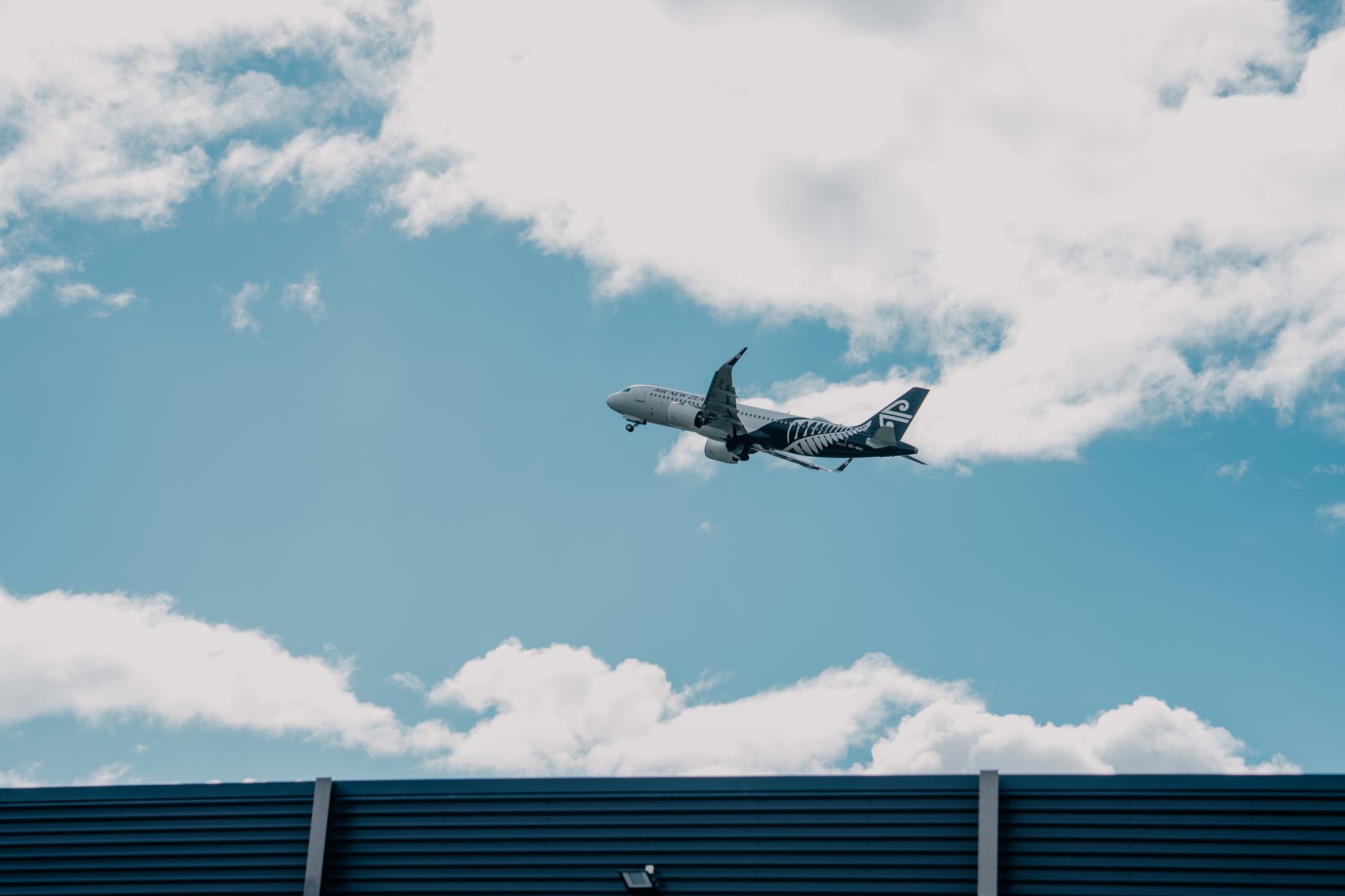
Colsto applied that principle to the sounds made by aircraft in the background of recordings. Once the aircraft sound has been isolated from the audio, it can be matched against publicly available flight data and against Doppler curve measurements. By triangulating the sound from multiple aircraft, the researcher showed, it becomes possible to work out where the audio was captured.
TechRadar described the result as “enormously clever” and compared the effect to the fictional “enhance!” commands of old television crime dramas — with the difference, the outlet said, that this is real.
Why aircraft you cannot hear still leave a trace
The reason the technique has such reach is that the skies over many parts of the world are extremely busy. A faraway airplane that a person standing in the frame would never notice can still leave what TechRadar called a sonic footprint on the recording — a signal faint enough to be inaudible but strong enough to be isolated and analyzed afterwards. That was the case in the United States data Colsto used for the demonstration.
In his video, Colsto details which aircraft data he used, how it was analyzed, how the Doppler measurements were filtered and what corrections were applied to them.
Footage with zero visual clues
Colsto was explicit that the video is meant as an educational look at open-source intelligence techniques rather than an attempt to frighten viewers, and he played down the likelihood that anyone would use it against an ordinary person.
“The odds that someone can and does actually do this is pretty slim. In reality, there’s probably a hundred easier ways to find you than this,” he says.
He did, however, point to the kinds of material the method could be applied to. The clip used in his demonstration came from an ordinary fixed camera.
“The audio we used is just from some random security camera, but it could have just as well been footage from a investigation or a video online. Something with literally zero visual clues could be located using this,” he added.
That last point is what separates Doppler effect geolocation from more familiar geolocation work, which typically leans on visible landmarks, signage, vegetation, shadows or architecture. A clip shot against a blank wall, or a security camera recording pointed at nothing identifiable, still carries the sky above it on its soundtrack.
No tool released, and filters may not help
Colsto is not publishing software or other tools that would let viewers run the analysis themselves, TechRadar reported. What the video offers instead is an assessment of preventive measures — including an explanation of why ordinary signal processing such as high-pass filters or noise reduction can be ineffective at stripping the telltale aircraft signature out of a recording.
In other words, the countermeasures most creators would reach for first are not necessarily countermeasures at all, according to the researcher’s assessment.
Where it sits among other passive tracking methods
TechRadar placed the Doppler effect geolocation work alongside other recent demonstrations of passive location and tracking, citing Wi-Fi routers that can be used to locate people indoors and Wi-Fi signals that can help track movements even when the person being tracked is not carrying a phone that connects to them.
Marshall wrote that she finds the technique “deeply scary” despite its somewhat niche application, while acknowledging that the concern sits oddly next to the phones, tablets and cars she already uses that leak identifiable information. “But I can’t help asking the question: if the possibilities we know about are this scary, what on Earth is the tech we don’t know about capable of?” she wrote.
The demonstration lands amid a broader run of attention on how everyday hardware and public data can be repurposed for surveillance-style work — including a Canadian creator who built a police-style vehicle tracking camera and drew an officer visit for his trouble.
For now, the practical takeaway from the video is narrow but concrete: a recording’s soundtrack can carry location information that neither the person filming nor the eventual viewer can hear, and the aircraft responsible may be miles away and entirely out of frame.