WASHINGTON — The Environmental Protection Agency on Monday finalized a rule repealing federal limits on carbon dioxide emissions from coal- and gas-fired power plants, unwinding a signature Biden-era climate regulation. The move, confirmed by EPA officials in Washington, D.C., eliminates emissions caps that were set to take effect for existing coal units and new gas plants over the coming decade.
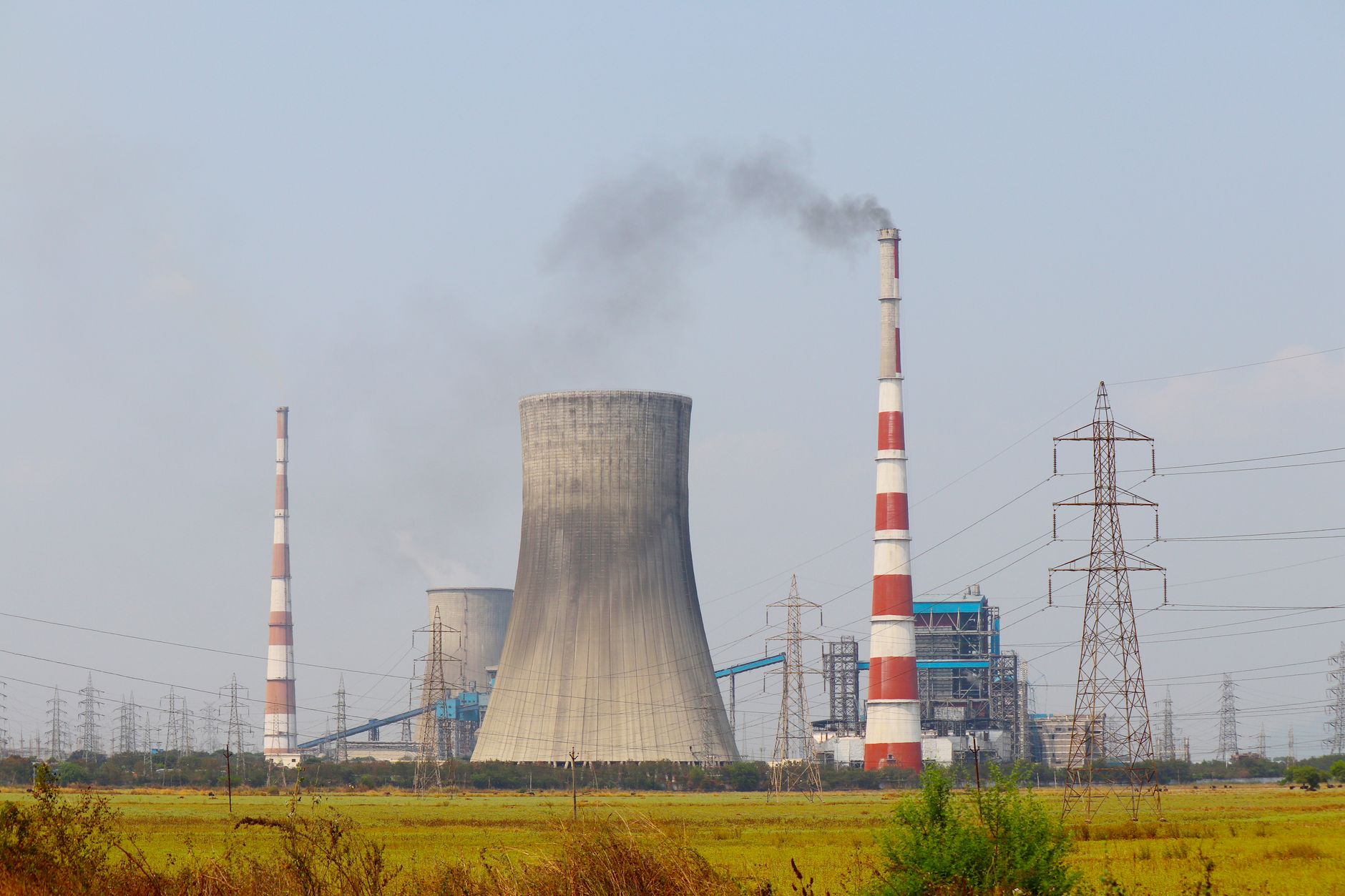
The rule reverses the 2024 EPA regulation, often referred to as the agency’s second-generation Clean Power Plan, which required coal plants to either install carbon capture technology or shut down by the mid-2030s, and set stricter standards for newly built gas plants.
What the New Rule Changes
Under the repeal, the EPA no longer requires power plant operators to meet specific carbon dioxide emissions thresholds. The agency argues that the underlying legal basis for regulating greenhouse gases from power plants under the Clean Air Act was flawed, a position it says is grounded in a narrower reading of the agency’s authority following recent Supreme Court rulings limiting federal regulatory reach.
EPA Administrator Lee Zeldin said the rule was necessary to address strain on the nation’s electric grid amid rising electricity demand, pointing to the rapid growth of data centers and artificial intelligence infrastructure as a driver of that demand. “Power plants need certainty, not court battles and compliance deadlines that threaten to take reliable generation offline,” Zeldin said in a statement accompanying the rule.
Industry and Political Reaction
Utility trade groups and coal industry representatives welcomed the repeal, saying the prior rule risked forcing premature retirements of coal plants that remain necessary for grid stability, particularly during extreme weather events. Several utility executives had warned regulators that compliance costs for carbon capture retrofits were prohibitively expensive and technologically unproven at scale.
Environmental organizations sharply criticized the decision. The Sierra Club and Earthjustice both indicated they intend to challenge the repeal in federal court, arguing that the EPA is required under the Clean Air Act to regulate emissions that endanger public health. “Gutting these protections doesn’t make pollution disappear — it just means Americans breathe it,” said an Earthjustice attorney in a statement following the announcement.
“This rollback removes a critical tool for cutting the single largest source of US industrial carbon emissions,” said one former EPA official who worked on the original rule.
State-Level Pushback Expected
A coalition of Democratic-led states, including California, New York, and Massachusetts, signaled they may pursue their own state-level emissions standards for power plants in response to the federal repeal. Attorneys general from several states said they were reviewing the rule for potential legal challenges, similar to the litigation that followed the original 2015 Clean Power Plan under the Obama administration, which was ultimately struck down by the courts before ever taking full effect.
Republican governors in coal- and gas-producing states, meanwhile, praised the rule as a boost to energy jobs and domestic production. Officials in West Virginia and Wyoming said the repeal would help stabilize coal employment in regions still recovering from years of plant closures.
Grid Demand and the Bigger Picture
The debate arrives as electricity demand climbs nationwide, driven in part by the exploding energy needs of artificial intelligence data centers. That trend has already drawn scrutiny elsewhere in the tech sector — Google recently reported a 48% jump in its own emissions tied to AI-driven data center expansion, underscoring how power-hungry computing infrastructure is reshaping the broader energy conversation.
Grid operators have repeatedly flagged capacity concerns in recent summers, particularly during heat waves that push demand to record highs. Supporters of the repeal argue that removing emissions caps buys utilities more flexibility to keep existing coal and gas plants running longer while new generation, including nuclear and battery storage projects, comes online.
What Happens Next
The rule is expected to take effect after a standard publication period in the Federal Register, though legal challenges are likely to be filed within days. Courts have previously blocked similar EPA rules from taking effect while litigation proceeds, meaning the repeal’s ultimate fate may not be resolved for months or longer.
For now, power plant operators face no federal carbon emissions requirements tied to the 2024 rule, though existing air quality standards for other pollutants, such as mercury and particulate matter, remain unaffected by Monday’s action.