An independent researcher has uncovered an Apple grey list of more than 100,000 words and phrases that the company has restricted from being completed by its iPhone predictive text, according to research reported by the Guardian on 6 November. The list was found by Derik Kauffman, who discovered a table containing it encoded in Apple’s operating system after noticing he had trouble typing certain phrases on his iPhone but not others.
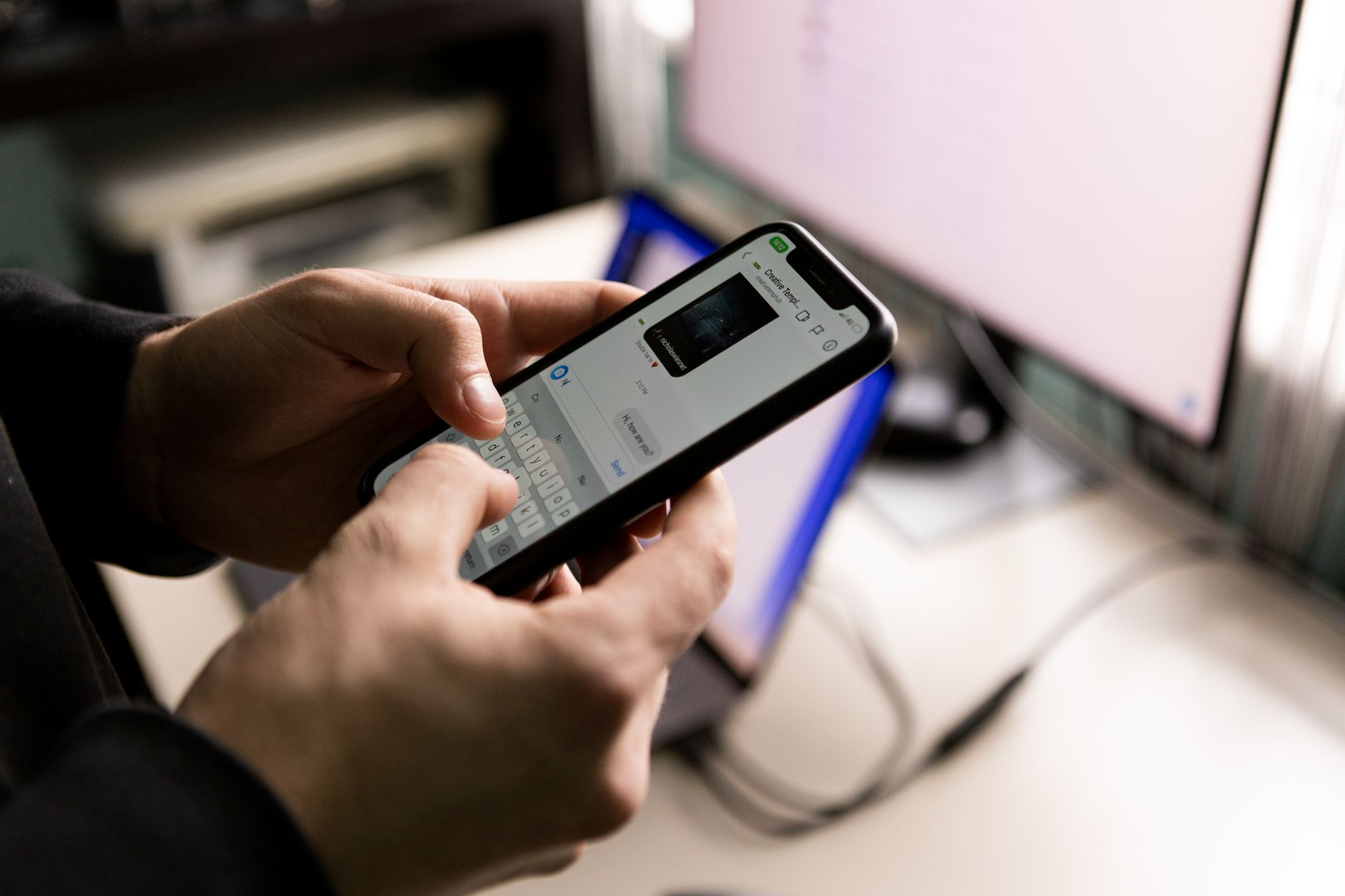
The restriction applies to the keyboard’s suggestion and completion behaviour rather than to typing itself. Users can still enter any of the listed words by spelling them out letter by letter. But if they try to swipe-type them – gliding a finger across the keyboard instead of pecking out each character – they will often stumble.
What the Apple grey list covers
Some of the entries are unsurprising. The Guardian reports that the iPhone will not autocomplete references to drugs and sexual acts, as well as the phrase “iMessage isn’t working” – which the paper suggested may be there in the spirit of corporate protection.
Other entries are harder to explain. Phrases that predictive text will not suggest include “Dictator Trump”, “NSA spies”, “question your sexuality”, “on MDMA” and, as the Guardian put it, surprisingly, “Australia is a very bad place”.
The paper illustrated the effect with a sentence that strings several of the restricted phrases together: “Australia is a very bad place to question your sexuality on MDMA with NSA spies” – a message an iPhone will not help a user swipe-type.
Politically charged entries and a researcher’s verdict
Kauffman, whose other projects include using AI to find errors in scientific papers, told Reuters that the politically charged entries amounted to a “light-touch form of censorship”.
Among those entries are “Trayvon Martin”, the name of the Black teenager shot in Florida in 2012, along with “Kashmir dispute”, “Muslim extremist” and “male chauvinist pig”.
The restrictions are not limited to English. In Hebrew, according to the Guardian, Apple will not autocomplete the phrase “the occupied territories”. In Arabic, it will not autocomplete the phrase “the Hamas movement”.
How swipe-typing goes wrong
Because swipe-typing depends on the keyboard guessing which word a finger’s path was aiming for, a blocked entry can produce a near-miss instead. The Guardian cites two examples found in the research: “United Ireland” becoming “United Iceland”, and “Tibetan independence” turning into “Tibetan independences”.
The result is that a user attempting one of these phrases does not see a refusal or a warning. They simply get a different word, and have to go back and type the intended one out in full.
From Unix spellchecks to transformer autocorrect
The Guardian traced the technology behind the feature across several generations. In its earliest version, the Unix operating system would look up each word a user typed against a table of words to determine whether it was spelled correctly.
That approach evolved into n-grams, a tool that allows an operating system to statistically predict what words might come next based on the words before it. The Guardian describes n-grams as the basis of Apple’s familiar autocorrect – the version known for changing expletives into prudish alternatives, producing “fork” and “ducking” among other gaffes.
Last year, the paper reports, Apple launched a new autocorrect: a “transformer-based” system more akin to a large language model. Users online saw that change as a possible reason behind a spate of unusual spelling suggestions their iPhones made last year.
The newly surfaced list is hard-coded, which the Guardian says illuminates one longstanding mystery behind the behaviour of the world’s most widely used spelling coach. Others remain. The paper points to a brief glitch in which users of the dictation feature saw the name “Trump” flash across their screens when they spoke the word “racist” into their iPhones. Apple quickly remedied that issue.
Apple’s response
Apple said that it designed its keyboard to avoid offering inappropriate or offensive predictive suggestions. The company said iPhone users could always type out specific words or phrases, and override predictive text suggestions to achieve their desired meaning.
That framing draws a line between what the keyboard proposes and what a user can enter: the Apple grey list governs the former, not the latter. The full research and additional examples were published by the Guardian.
A rare look inside the keyboard
Predictive text is among the least visible pieces of software on a phone, running on every message, search box and note a user writes. The Guardian described the find as one more glimpse into how autocorrect – the chirpy keyboard partner that helps you look more educated to your loved ones – actually works.
Kauffman’s discovery came from the ordinary friction of daily use rather than from a formal audit: he noticed that some phrases would not complete, then went looking for the reason and found the table encoded in the operating system. It is the kind of detail that only surfaces when someone decides to check, and it sits alongside other recent scrutiny of Apple’s hardware and software choices, including the company’s OLED touchscreen MacBook Pro.
For now, the practical consequence for iPhone owners is narrow. Anything on the list can still be written. It just has to be spelled out.