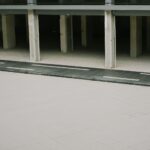
The US Commerce Department cleared a Chinese company called New Matrix to assemble Nvidia H200 chips into AI servers, but when New York Times reporters walked to the address the company lists in Beijing, they found nothing inside. The Times, which published its account on November 7, 2026, described the space as “a hollow gray shell with wires dangling from the ceiling where lights should be.”
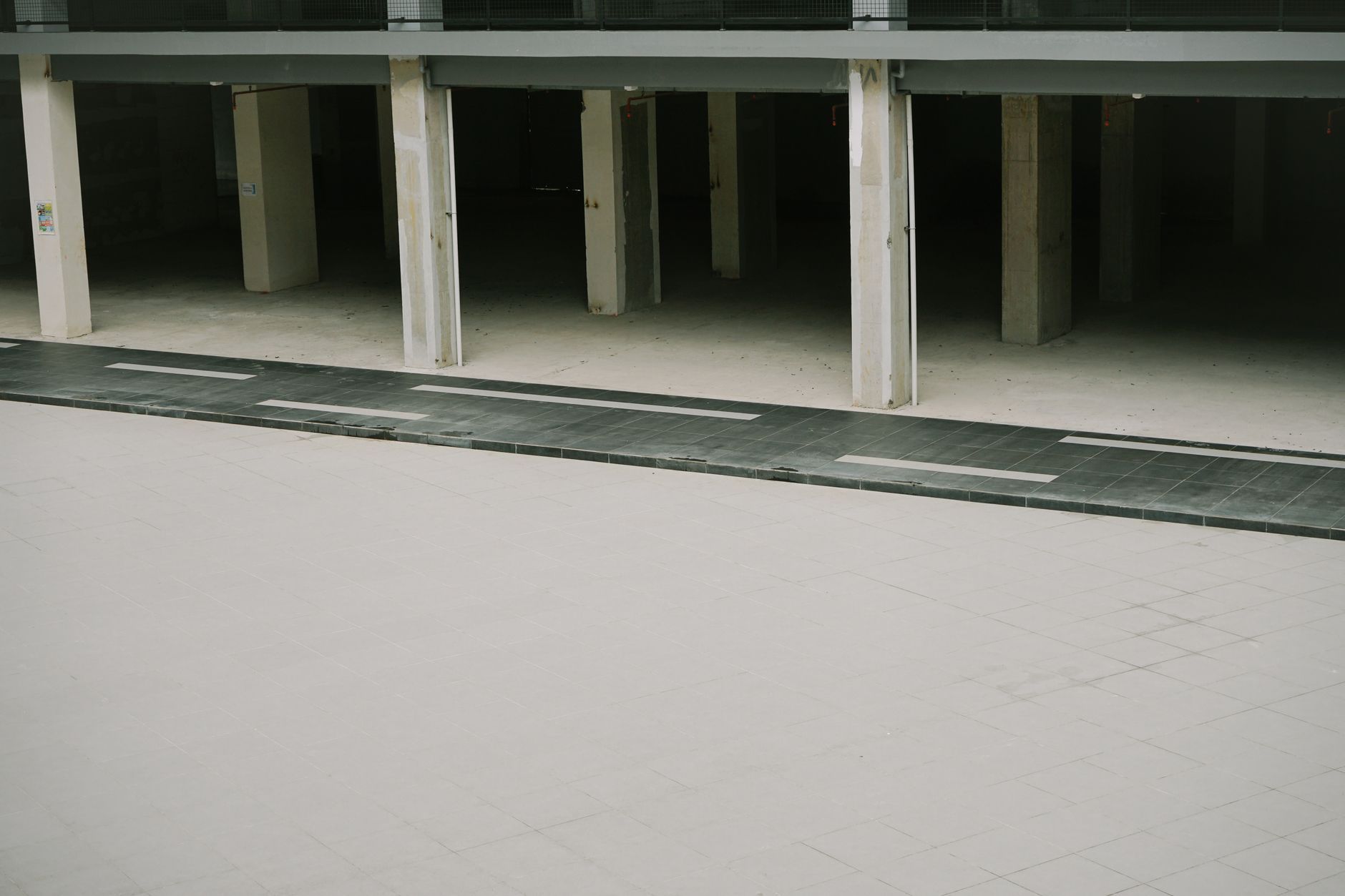
The finding has put the Nvidia H200 China licensing decisions under a harsher light than the usual debate over export controls, and raised questions about whether either the Commerce Department or Nvidia vetted the Chinese firms approved to handle the company’s most advanced export-cleared AI accelerators.
A 17-month-old company with no visible footprint
New Matrix is the centerpiece of the Times account. According to the paper, the company was created 17 months before the report ran, and only scant information about it can be found online. At the building New Matrix lists as its address — an industrial park on the northwestern outskirts of Beijing — the company directory does not include the firm. At the nearby property management agency for the industrial park, a receptionist and a manager both told the paper they had no record of the company.
As The Verge reported, the Times “could find little evidence that the company exists in any meaningful way.”
The approval New Matrix holds is not a passive one. Commerce cleared the firm to assemble H200 chips into AI servers, meaning it would turn bare accelerators into finished machines.
A second firm, a locked room
New Matrix is not the only company named. Commerce also approved a firm called Maginfra to assemble H200 chips into servers for other customers, placing it as a middle layer between the chips and buyers the public record does not name.
Reporters visited Maginfra’s listed office in September. They found a small locked room containing a few chairs and empty desks.
Neither visit turned up an assembly line. As the outlet Shattered noted in its own write-up of the coverage, the established record is narrower than the viral framing suggests: Commerce approved firms for H200-related work, and at least two of them had little or nothing visible at their listed addresses. Shattered also cautioned that a registered address and an operating site are often different places, and that a build-out can lag a license.
The Wise Road Capital connection
The ownership thread may be the most consequential detail. The Times identified ownership ties between New Matrix and Wise Road Capital, a Chinese private equity firm that has been blacklisted by the US government since 2024.
If the link holds, one arm of Washington approved a firm connected to an investor another arm had already flagged. The size of the stake, who directs the company’s day-to-day decisions, and whether Commerce reviewed the ownership chain before issuing the approval are all absent from the public record.
According to the Times, the New Matrix case is not a rare lapse in oversight but part of a troubling pattern of companies connected to entities under national-security-related trade restrictions being approved to purchase Nvidia chips.
Roughly two dozen firms approved
Roughly two dozen Chinese firms received approval for H200-related activity, according to people familiar with the approvals. Commerce has not confirmed it as an official total, and Shattered, which reviewed the coverage, said the number should be treated as an informed estimate and nothing more.
Other parts of the story remain unestablished. No verified evidence shows that Nvidia itself shipped chips directly to an empty office. There is no confirmation that New Matrix received or held a single H200, and nothing establishes that the company was fictitious. Shattered said it found no on-record response from Nvidia or Commerce addressing the findings directly.
How Nvidia got back into the China market
The approvals exist because of a policy reversal. Nvidia had been restricted from selling chips to China during the Biden presidency. The Trump administration relaxed those limits after Nvidia agreed to give the government a 15-percent cut of all sales.
Chief executive Jensen Huang also launched an intense lobbying campaign over the restrictions. Huang was apparently targeted by China’s Ministry of State Security in a spying plot, and Shattered noted that the episode had already prompted lawmakers to ask how closely Nvidia and the government track who ends up with advanced silicon.
The verification gap in Nvidia H200 China approvals
The gap between paperwork and physical reality is what the coverage keeps returning to. A newly formed company, an address with no trace of staff, a second firm with a locked room, and ownership links to a listed investor all point the same direction in the Nvidia H200 China approvals.
- New Matrix: created 17 months ago, approved to assemble H200 chips into AI servers, listed address is an empty shell, absent from the building directory and the industrial park’s records.
- Maginfra: approved to assemble H200 chips into servers for other customers, listed office was a small locked room with a few chairs and empty desks when reporters visited in September.
- Ownership: New Matrix owners have ties to Wise Road Capital, on a US restricted-entity list since 2024.
- Scale: roughly two dozen Chinese firms approved for H200-related activity, per people familiar with the approvals, unconfirmed by Commerce.
Shattered drew the distinction plainly: “The viral version says Nvidia shipped silicon to a ghost. The documented version says Washington cleared firms whose physical footprint did not match their approvals.” Whether Commerce inspected either site is not stated in the public record.
The questions over the Nvidia H200 China approvals land during a stretch of close attention to how AI technology is deployed and who benefits, a scrutiny that has extended from export controls to consumer-facing products such as China’s first fully AI-generated movie.