The Intel lawsuit brought by the City of Southfield Fire and Police Retirement System was filed Nov. 13 in federal court in San Jose, California, accusing the chipmaker and two executives of misleading shareholders. The proposed class action concerns disclosures before Intel’s shares fell 28.6% on Oct. 30, erasing approximately $140 billion in market value, according to IBTimes.
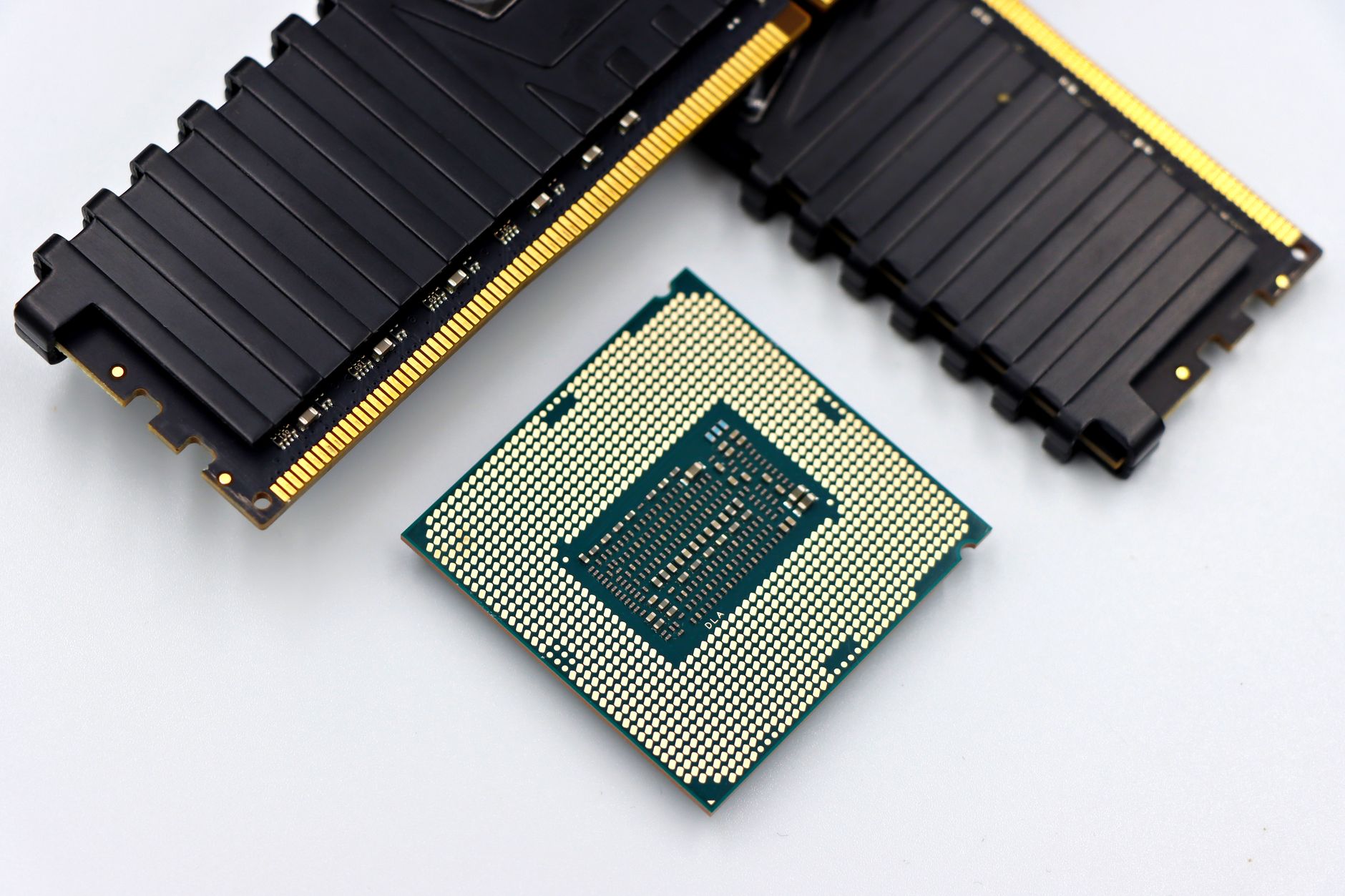
The Michigan pension fund alleges that Intel understated deteriorating personal-computer demand, excess inventory and production problems while promoting growth opportunities tied to artificial intelligence. Chief Executive Lip-Bu Tan and Chief Financial Officer David Zinsner are also named as defendants.
Intel lawsuit challenges PC demand disclosures
The complaint seeks unspecified damages for investors who purchased Intel shares between July 23 and Oct. 29, 2026. Its allegations have not been proven in court, IBTimes reported.
Shareholders contend that Intel failed to disclose promptly how weaker consumer-processor demand and excessive inventories would affect sales. According to the complaint, rising component prices made computers more expensive, leaving original equipment manufacturers and distribution partners struggling to sell equipment they already held.
That inventory buildup reduced demand for Intel processors and limited the company’s ability to offset lower sales volumes with higher prices, the plaintiffs allege. They also argue that damage from the PC market downturn outweighed benefits from AI infrastructure investment and data-center construction.
Yahoo Finance, citing Reuters, quoted the lawsuit as saying:
“Intel made statements that were materially false and/or misleading when made because they failed to disclose the following adverse facts pertaining to Intel’s business,”
$23 billion capital raise draws scrutiny
The Intel lawsuit also focuses on the company’s August stock offering. IBTimes reported that Intel completed the offering on Aug. 12 at $95 per share, issuing approximately 242 million shares and generating $23 billion in gross proceeds.
According to regulatory filings cited by IBTimes, Intel received $22.6 billion after offering expenses and placement costs. Intel said the money would go toward general corporate purposes, including investments and working capital. Yahoo Finance reported that the capital raise came as Intel planned to expand semiconductor production capacity.
The plaintiffs allege that the offering gave Intel a financial incentive to minimize worsening business conditions while seeking fresh capital during the third quarter. IBTimes reported that the complaint does not allege the offering itself was illegal.
Quarterly results show diverging businesses
Intel’s Oct. 29 earnings report showed third-quarter revenue of $16.5 billion, an increase of 21% from a year earlier, according to IBTimes. Its client computing business, however, recorded revenue of $8.1 billion, down 5% over the same period.
The Data Center and Artificial Intelligence division generated $7.3 billion, up 78% year over year. The plaintiffs contend that the Client Computing and Physical AI business deteriorated substantially more than Intel had disclosed, with revenue falling by hundreds of millions of dollars from the previous quarter and margins under pressure.
The complaint also alleges that manufacturing constraints involving semiconductor substrates prevented Intel from increasing server-processor production enough to capture stronger demand. Yahoo Finance reported that a severe memory shortage pushed up DRAM prices and PC costs, affecting demand for consumer systems.
October sell-off follows disappointing outlook
During the earnings discussion, Zinsner acknowledged that the PC slowdown could continue at least through the first half of 2027, IBTimes reported. Tan cited manufacturing supply shortages and an unprecedented memory crisis, saying Intel needed to address those challenges urgently.
Yahoo Finance reported that the Oct. 30 stock decline followed fourth-quarter revenue and earnings projections that missed expectations, alongside a warning that the PC downturn would persist. Despite the sell-off, the outlet reported that Intel shares remained up 62% since the beginning of the year.
The accounts differ on the filing’s chronology. Yahoo Finance describes the lawsuit as following the plunge. IBTimes’ opening says it was filed weeks before the decline, although that article dates the filing to Nov. 13 and the stock drop to Oct. 30.
Earlier updates form a historical contrast
Yahoo Finance noted that Intel routinely issued mid-quarter business updates under former Chief Executive Craig Barrett in the early 2000s. In September 2004, the company used an update to lower third-quarter revenue and gross-margin projections because processor demand was weaker than expected and customers were adjusting inventories.
Intel abandoned routine mid-quarter updates in January 2006 under Paul Otellini, according to Yahoo Finance, though it occasionally revised guidance between earnings releases afterward, particularly during the 2008–2010 global financial crisis. The shareholders’ current complaint centers on their allegation that Intel should have warned investors earlier about the severity of its PC business problems.