Images chosen by Narwhal Cronkite
Kalshi Suspends, Fines 3 Congressional Candidates in Insider Trading Crackdown
In a move that sent ripples through both political and financial circles, Kalshi, the regulated event trading platform, announced enforcement actions against three Congressional candidates over alleged insider trading violations. This unprecedented step highlights growing concerns about financial ethics in political campaigns and raises pressing questions about the intersection of politics and investment markets.
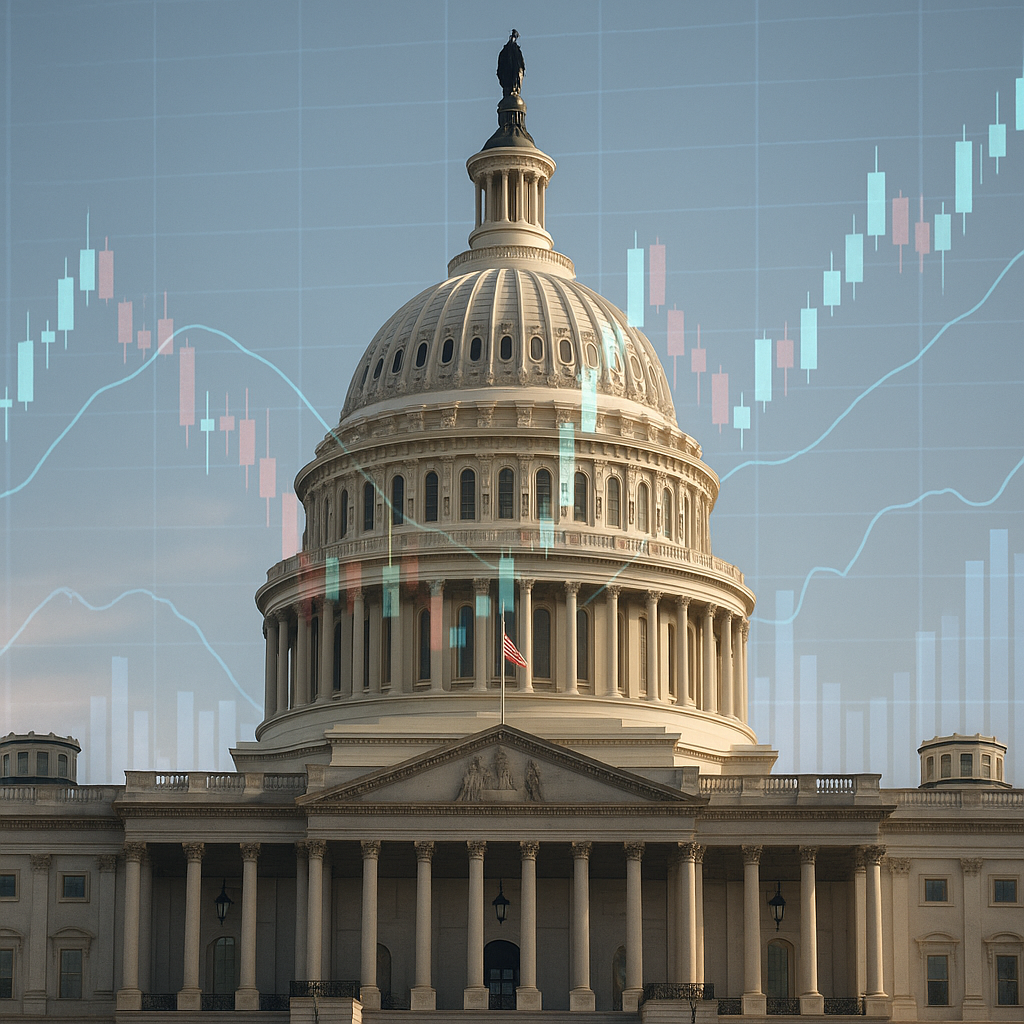
Navigating the Complex Realm of Event Markets
Over the past few years, platforms like Kalshi have introduced innovative ways for investors to trade on the outcomes of real-world events, including elections, economic indicators, and cultural phenomena. These platforms operate under tight regulatory scrutiny, positioning themselves as transparent alternatives to traditional financial systems. Kalshi, however, finds itself walking a thin line between providing opportunity and safeguarding integrity. Its recent actions underscore the delicate balance needed to maintain fair play in event-driven markets.
According to CNBC, the platform suspended trading on accounts linked to three Congressional candidates after an internal investigation revealed patterns indicative of insider trading. The specifics around these violations remain confidential, but Kalshi clarified that the trades appeared to exploit non-public information related to electoral trends and legislative initiatives.
Political Trading: A Growing Ethical Dilemma
The concept of event trading brings up unique ethical challenges, particularly when participants have direct involvement in influencing the outcomes of traded events. An analyst from the Brookings Institution noted, “Event markets are fascinating innovations, but their success depends on the perception of trust and neutrality. Allegations like these shake confidence in the underlying mechanics.”
In this case, the three Congressional candidates involved reportedly used their inside access to political developments to place trades that may have yielded substantial gains. While insider trading laws have long existed to safeguard traditional financial markets, applying these principles to event-driven investment platforms presents new legal ambiguities.

Kalshi’s Regulatory Actions: A Signal to the Industry
Kalshi’s enforcement measures are part of a broader push to maintain the integrity of event markets, especially as their popularity grows among retail and institutional investors. The platform fined the implicated accounts and permanently banned them from further trading, underscoring its commitment to compliance with Commodity Futures Trading Commission (CFTC) regulations.
“Our priority is to maintain a level playing field for all participants,” a Kalshi spokesperson told CNBC. “We will not tolerate any breaches of trust or abuse of privileged information.”
This crackdown aligns with heightened scrutiny by U.S. regulators regarding ethical practices surrounding high-risk trading settings. Last year, the CFTC issued guidelines specifically targeting political event contracts, warning that they could be prone to misuse for speculative gains or agenda-setting purposes.
Industry Implications and Lessons Learned
The enforcement actions taken by Kalshi provide a cautionary tale not just for other participants in event markets, but for similar platforms looking to enter the space. As voting demographics, public sentiment, and political scandals become tradable commodities, ensuring ethical and transparent trading practices will be pivotal in avoiding public backlash.
“Platforms like Kalshi need robust systems of oversight,” commented Catherine Elmerson, a financial ethics professor at Georgetown University. “Beyond enforcing suspensions, they must invest heavily in compliance programs and educate users on the ethical dimensions of event trading.”
Some industry insiders argue that these recent revelations could drive political event contracts toward stricter regulation or even complete prohibition. Others, however, suggest that regulatory adjustments could help event markets evolve responsibly, rather than stifling innovation.

What’s Next for Kalshi and Event Markets?
Kalshi’s actions reflect the growing pains of an industry attempting to bridge traditional finance and real-world events. As the platform continues to expand, it faces mounting pressure to resolve these ethical dilemmas while accommodating increasing demand for event-based investing opportunities.
Looking ahead, analysts suggest that Kalshi’s ongoing commitment to enforcement and transparency could bolster investor confidence and set new benchmarks for similar platforms. Observers will also be watching for potential Congressional inquiries concerning the trading activities of politicians, alongside stricter regulations from agencies like the CFTC.
Event markets are undeniably reshaping investment strategies, but as Kalshi’s latest controversy illustrates, they also introduce intricate questions of ethics and governance. Whether regulation catches up with innovation remains an open question, but one thing is clear: the integrity of event-driven platforms will be critical in determining their long-term viability.