Images chosen by Narwhal Cronkite
Palantir’s Mini Manifesto Questions Silicon Valley’s Role in National Defense
Palantir Technologies has sparked major conversations across the tech industry and beyond with the release of its 22-point manifesto that touches on geopolitics, artificial intelligence (AI), and Silicon Valley’s ethical obligations to the United States. Based on a book coauthored by CEO Alex Karp and Nicholas Zamiska, Palantir has laid bare its stance on concepts like military conscription, AI in defense, and the legacy of American tech innovation—all with implications that ripple far beyond the confines of its industry.

The Moral Debt of Silicon Valley
One of the manifesto’s most pointed claims is its critique of the “engineering elite” in Silicon Valley. It argues that the American software industry owes its meteoric rise to a foundational partnership with the U.S. government—one responsible for breakthrough innovations like satellites, rockets, and pharmaceuticals. Despite this history, the manifesto accuses Silicon Valley of sidestepping this legacy in favor of crafting apps and platforms that prioritize profit over national and global welfare.
“Why take the chance of entering into the moral morass of geopolitics and courting controversy when you can build another app?” the manifesto asks, highlighting what it perceives as a lack of engagement from the industry in technological advancements critical for national security.
This assessment also raises broader ethical questions about the evolving role of corporate responsibility in shaping geopolitics. Palantir’s position resonates with observers who argue that technology’s deepest value should lie in bettering society, not merely entertaining or distracting it. Critics, however, caution against defining corporate duties solely through the lens of national defense, emphasizing the need for balance between profit and public good.
A Call to Revisit Military Conscription
Another controversial dimension of the manifesto is its advocacy for reinstating the military draft. Karp and Zamiska call for shifting the United States away from its all-volunteer force—a system implemented in 1973—and returning to mandatory service. They argue that conscription would distribute the risk of war more equitably, ensuring that societal elites bear the same burdens as those with fewer resources.
This proposal echoes sentiments expressed by figures like the late Rep. Charles Rangel (D-N.Y.), who championed reinstating the draft to combat disproportionate impacts of conflict on low-income and minority communities. While the manifesto couches its arguments in terms of fairness and shared sacrifice, the idea remains divisive, with critics noting the potential backlash from citizens accustomed to freedom from mandatory service.
The draft debate raises practical questions: Would compulsory service help bridge growing divides between political elites and everyday Americans? Or would it undermine the recruitment of motivated, skilled soldiers who join voluntarily? Analysts remain divided on the issue, but its reappearance here underscores the complexity of balancing defense needs with public sentiment.
The Role of AI in the Future of Deterrence
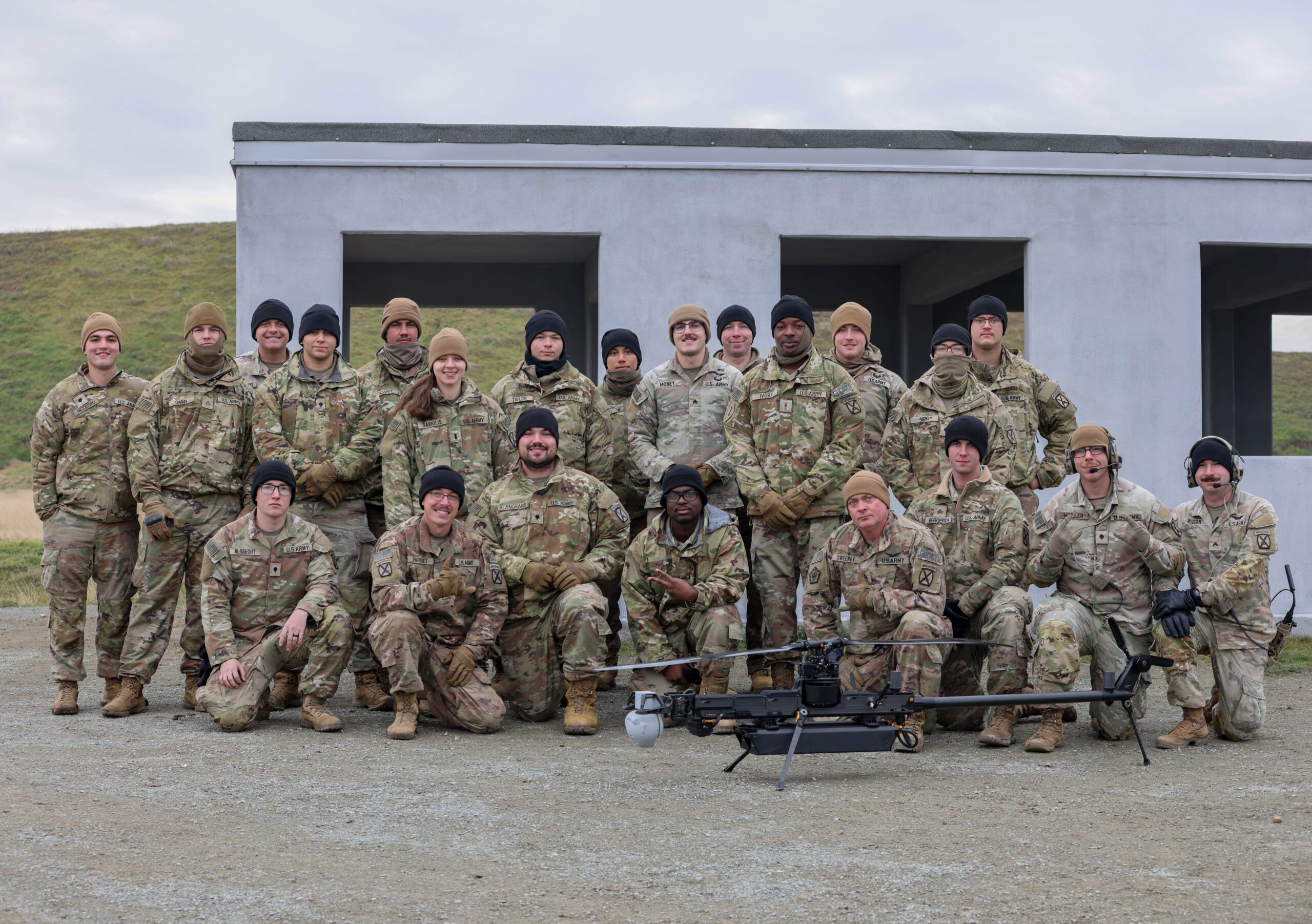
Central to Palantir’s manifesto is the assertion that the atomic era is giving way to a new age dominated by artificial intelligence. The authors claim advanced AI weapons will become key to global deterrence, arguing that the United States must lead in developing such technologies while navigating resistance from internal dissenters. Karp sharply criticizes companies like Google, which refused to renew Project Maven—a defense AI project—following employee protests in 2018.
This resistance, Karp warns, could jeopardize national security. “Our adversaries will not pause to indulge in theatrical debates,” the manifesto states, suggesting that America cannot afford ideological paralysis when competitors like China and Russia aggressively pursue advancements in militarized AI.
At the heart of this issue lies the ethical balancing act between innovation and responsibility. From autonomous drones to predictive intelligence systems, the development of AI-enabled military assets raises urgent concerns about accountability and escalation risks. While Palantir’s stance encourages proactive technological leadership, others urge careful deliberation to prevent unintended consequences—not just for U.S. safety but global stability.
Implications for International Policy
The manifesto also touches on broader geopolitical trends, including critiques of postwar disarmament policies in countries like Germany. According to Karp and Zamiska, such policies overcorrected historical aggressions, weakening Europe’s ability to counter emerging threats like Russian expansionism.
This perspective taps into ongoing debates within the defense community about balancing historical reconciliation with preparedness. Germany, for instance, recently ramped up its defense spending in response to the war in Ukraine, moving toward a more active role within NATO. Whether Palantir’s critique will prompt further policy shifts among U.S. allies remains to be seen, but it raises important questions about collective defense strategies in volatile times.
What’s Next for Tech and National Security?
Palantir’s manifesto is a rallying cry to redefine the relationship between Silicon Valley and U.S. national security, one that could have lasting implications for how industries align with government objectives. From ethical AI development to the prospect of mandatory service, its ideas challenge entrenched assumptions and urge a reevaluation of both corporate and citizen responsibilities.
As debates unfold, analysts agree on one point: the technological and geopolitical landscape is shifting rapidly. Companies navigating these waters must wrestle with difficult questions about innovation, ethics, and identity. Whether these discussions lead to meaningful change or fizzle out remains uncertain, but the discourse catalyzed by Palantir’s provocative manifesto ensures the stakes will remain high.