BMW is showing Spider-Man movie promotions on the dashboards of its connected vehicles, according to a report from TechSpot, just months after the automaker pledged to dial back intrusive in-car advertising following an earlier round of owner backlash. Drivers began posting screenshots and complaints this week showing branded Spider-Man graphics appearing on their central infotainment screens and, in some cases, the digital instrument cluster directly in the driver’s line of sight.
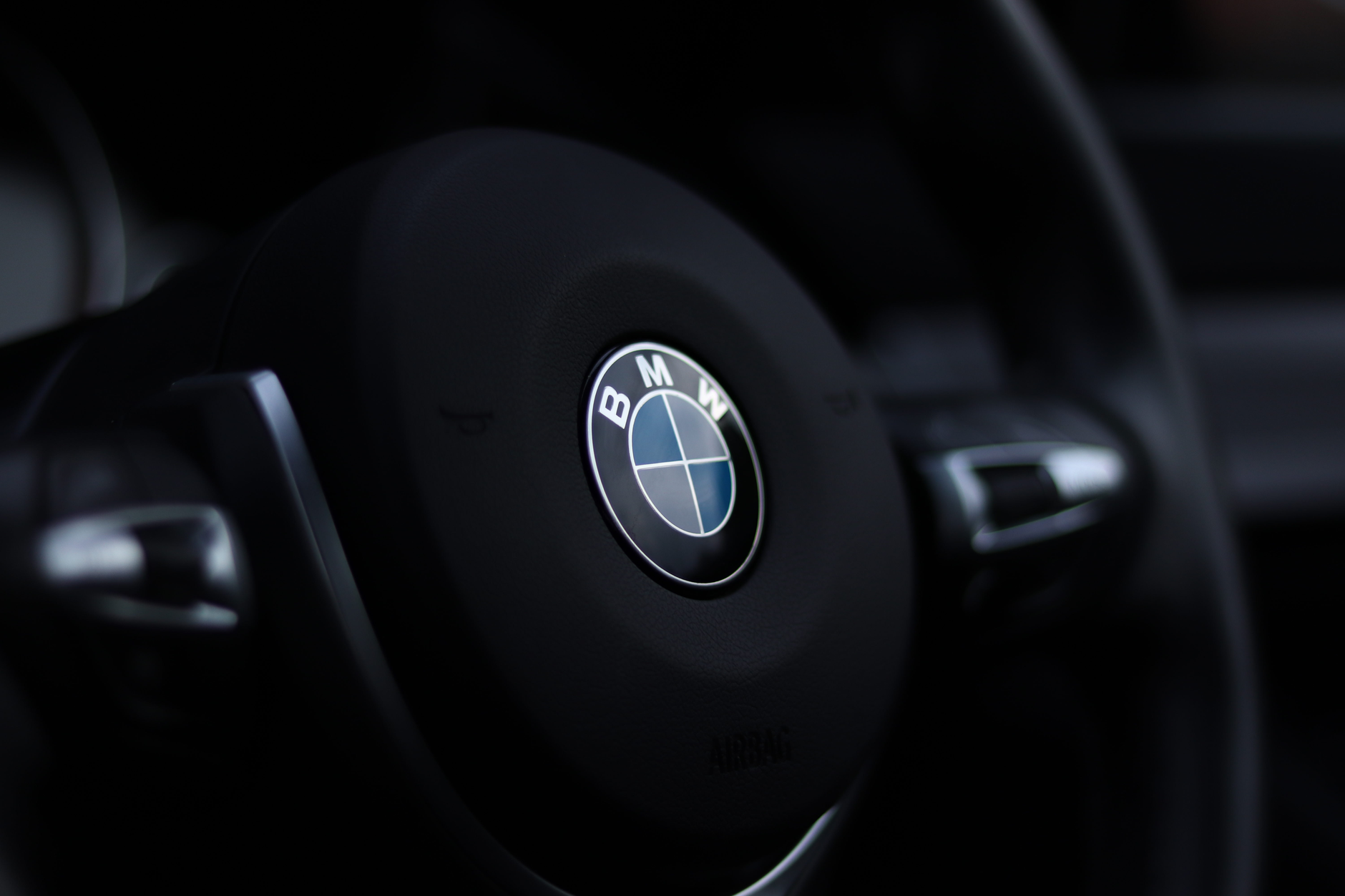
The promotional content is being delivered through BMW’s connected software platform, the same over-the-air system the company uses to push navigation updates, app store listings, and subscription offers to vehicles already on the road. Owners say the ads appeared without any opt-in prompt, surfacing automatically on start-up or while the car was parked.
A Promise BMW Made Earlier This Year
The episode follows a similar controversy detailed in NarwhalTV’s earlier report on BMW’s full-screen dashboard ads backlash, when the automaker drew sharp criticism for splashing full-screen marketing messages across the same displays drivers rely on for speed, navigation, and safety alerts. At the time, BMW responded to the outcry by indicating it would scale back the practice and be more careful about what content reached vehicle screens.
The reappearance of branded content just months later has undercut that assurance. Several owners on enthusiast forums and social platforms noted the irony of a company promising restraint and then using the same channel to promote a Hollywood blockbuster. BMW has not published a detailed explanation of why the Spider-Man promotion was deployed or whether it stems from a formal marketing partnership with Sony Pictures, which produces the Spider-Man film franchise.
Why Drivers Are Frustrated
The core complaint from BMW owners is consistent with the earlier backlash: buyers of premium vehicles, some costing well over $60,000, say they did not sign up to have their dashboards used as advertising real estate. Unlike ads on a phone or a website, in-car promotions appear on a screen positioned for quick glances while operating a moving vehicle, raising distraction concerns that go beyond simple annoyance.
- Ads reportedly surface without a clear way to permanently disable them in settings menus.
- Some owners say the promotions appeared on the driver-facing instrument cluster, not just the central touchscreen.
- Critics argue that software-connected vehicles increasingly function like phones or smart TVs, where manufacturers retain ongoing control over what appears on hardware customers already own.
BMW is not alone in exploring this model. Automakers across the industry have leaned into recurring software revenue in recent years, from paid subscriptions for features like heated seats to app marketplaces built into infotainment systems. In-vehicle advertising has been floated by multiple manufacturers as a way to offset the cost of increasingly expensive onboard technology, but BMW’s repeated missteps have made it something of a test case for how far drivers will tolerate the practice.
The Broader Pattern of Software-Defined Vehicles
Modern vehicles increasingly resemble consumer electronics more than traditional machines, with manufacturers retaining remote access to update, modify, and monetize features long after a car leaves the dealership lot. That shift has given automakers unprecedented ability to push content, but it has also blurred the line between a purchased product and a platform the manufacturer continues to control.
Owners argue that once a vehicle is paid for, its core displays should not become surfaces for third-party marketing without explicit, revocable consent.
For BMW specifically, the recurrence of dashboard advertising so soon after a public commitment to pull back raises questions about internal coordination between the company’s marketing division and the customer-facing promises made by its communications team. It also raises the stakes for how regulators and consumer advocates might eventually respond, particularly in markets where distracted-driving rules are already strict.
What Happens Next
BMW has not announced whether it will remove the Spider-Man promotion or issue a new statement addressing the backlash. Given the company’s past response pattern, owners are likely to see some acknowledgment if the criticism continues to build across social media and automotive forums, but there is no indication yet of a permanent policy change preventing similar promotions in the future.
In the meantime, affected owners are being directed to BMW’s connected services settings to check for any available opt-out controls, though multiple reports suggest those options remain limited. The episode adds to a growing list of examples where automakers’ expanding software control over vehicles has run ahead of clear consumer expectations, a tension likely to resurface as more brands experiment with dashboard-based advertising.