Former Canadian Prime Minister Jean Chrétien delivered a blunt message to the United States this week, declaring that Canada “bows to no one” as trade tensions and sovereignty disputes between the two countries continue to simmer. Chrétien, who led Canada from 1993 to 2003, made the remarks in a public statement addressing renewed pressure from Washington over tariffs and repeated suggestions that Canada could someday join the United States.
What Chrétien Said
Speaking to reporters, the 92-year-old former leader pushed back firmly against what he characterized as dismissive rhetoric from US officials about Canadian independence. “We are a sovereign nation, and we bow to no one,” Chrétien said, according to accounts of the exchange. He emphasized that Canada’s relationship with the United States has always been one of partnership between equals, not subordination.
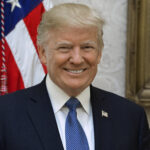
Chrétien’s comments come at a moment of heightened friction between the two North American allies. Since returning to office, President Trump has repeatedly floated the idea of Canada becoming the “51st state,” remarks that Canadian officials across the political spectrum have rejected as both impractical and insulting to national sovereignty. The comments have periodically resurfaced in trade negotiations, complicating what has historically been one of the world’s most stable bilateral relationships.
Context: Trade Tensions Persist
The dispute over tariffs has been a persistent irritant since early 2025, when Washington imposed a series of levies on Canadian steel, aluminum, and energy exports, citing national security and trade imbalance concerns. Ottawa responded with retaliatory tariffs on a range of American goods, and negotiations to resolve the standoff have moved slowly despite several rounds of talks between trade representatives from both countries.
Canadian Prime Minister Mark Carney has sought to project a measured but firm posture, emphasizing diversification of trade partnerships while keeping diplomatic channels with Washington open. Chrétien’s intervention adds a prominent voice from Canada’s political history to a debate that has increasingly drawn in former leaders, provincial premiers, and business groups worried about the economic fallout of prolonged uncertainty.
“Canada has never been for sale, and it never will be,” Chrétien reportedly added, reflecting a sentiment echoed by current officials in Ottawa.
A Career Defined by Standing Firm
Chrétien is remembered in Canadian political history for his own moments of resistance to US pressure, most notably his decision to keep Canada out of the 2003 invasion of Iraq despite significant pressure from the Bush administration. That choice, controversial at the time, is now widely viewed in Canada as a defining example of independent foreign policy. Supporters of Chrétien’s latest remarks note the continuity between his past stance and his current comments, framing them as consistent with a long-held belief that Canada must chart its own course even when its closest ally disagrees.
Critics, meanwhile, caution that inflammatory rhetoric from either side risks further destabilizing an economic relationship that supports hundreds of billions of dollars in annual trade and millions of jobs on both sides of the border. Analysts point out that Canada remains one of the United States’ largest trading partners, and prolonged tariff disputes could raise costs for consumers and businesses in both countries.
Sovereignty and Security Concerns
The renewed sovereignty debate has coincided with broader discussions in Canada about strengthening national defense capacity. As previously reported, Canada’s army recently announced the creation of a new division dedicated to homeland defense, a move some observers link to growing anxiety over both Arctic security and the country’s ability to assert independence amid pressure from larger allies.
Government officials have not directly tied the military restructuring to the ongoing trade and sovereignty disputes, but the timing has fueled speculation among political commentators that Ottawa is signaling a broader posture of self-reliance. Public opinion polling in Canada has consistently shown strong majority support for maintaining independence from the United States, even as most Canadians favor continued close economic ties.
What Comes Next
Trade negotiators from both countries are expected to reconvene in the coming weeks, though no formal date has been announced. Canadian officials have indicated they remain open to a negotiated resolution but will not accept terms perceived as compromising national sovereignty. The White House has not issued a formal response to Chrétien’s remarks, though administration officials have previously dismissed similar criticism as political posturing.
For now, Chrétien’s comments have resonated widely across Canadian media and political circles, reinforcing a sense of national identity that many see as increasingly relevant amid shifting global alliances and economic pressures. Whether his words influence the tone of upcoming negotiations remains to be seen, but they underscore the depth of feeling in Canada about protecting its independence, even from its closest neighbor and largest trading partner.