Viral photos from inside Estadio Monterrey have left 2026 World Cup fans worldwide questioning their own eyes — with many insisting the towering mountain backdrop visible from the stands must be a digital rendering. The Sun reported the reaction after images and video of the stadium’s open-ended north stand, which frames the jagged Cerro de la Silla mountain range in full cinematic glory, spread across social media this week.
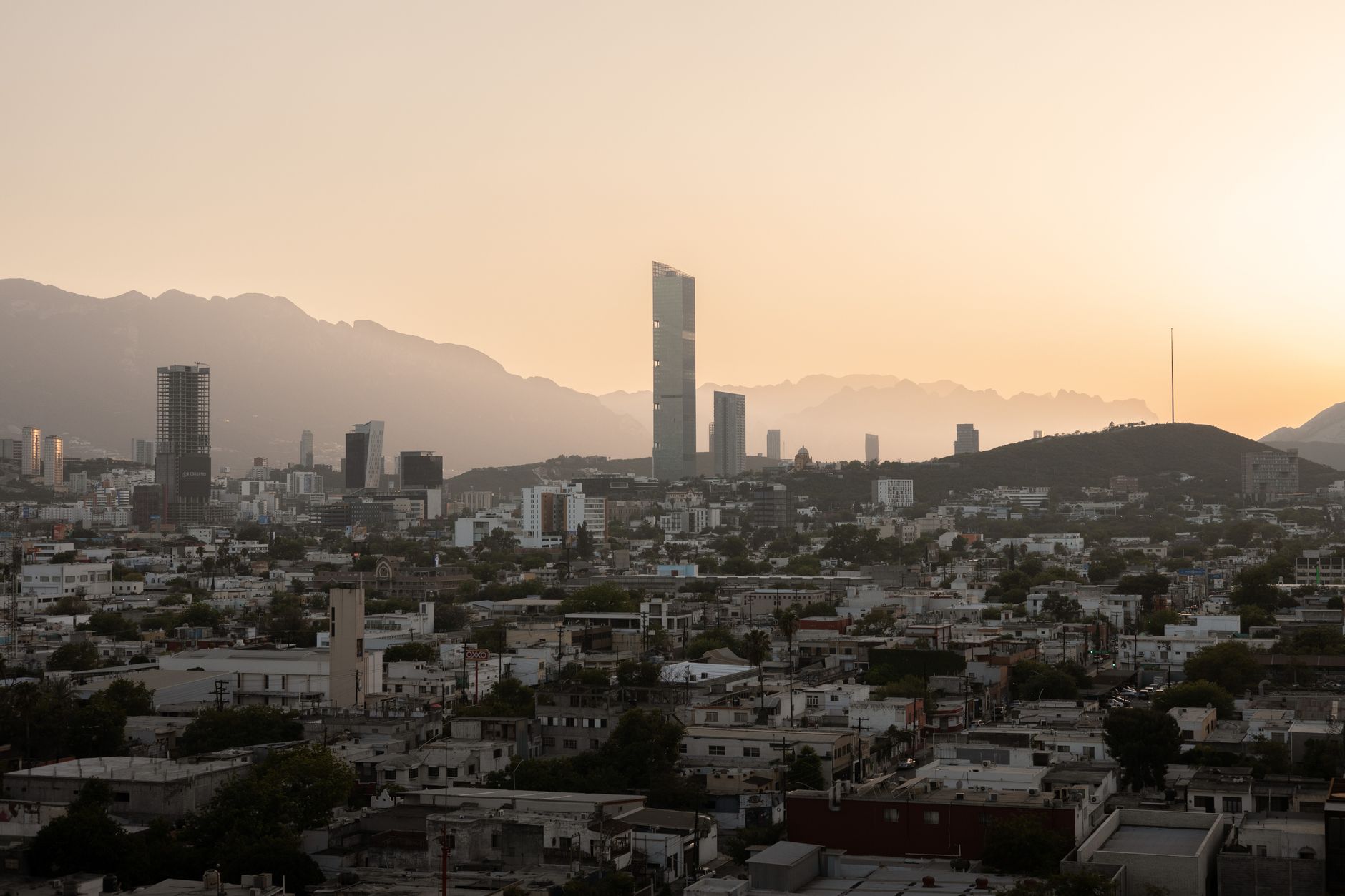
The non-obvious detail that makes this so visually striking: the stadium was deliberately designed without a full enclosure on one side so that Cerro de la Silla — a 1,820-metre peak whose silhouette is the unofficial symbol of Monterrey — sits framed like a painting behind the pitch. That architectural choice, made decades before anyone imagined a World Cup here, is now drawing more global attention than almost any other venue in the tournament.
Why the Estadio Monterrey view went viral
Posts on X and Reddit flooded in from fans who genuinely could not believe the mountain panorama was real. “Thought it’s AI,” read one widely shared comment, capturing the general disbelief. Others called it “the most beautiful stadium backdrop on Earth” and questioned why they had never heard of the ground before the tournament began.
Estadio Monterrey — also known as Estadio BBVA — is the home of Club de Fútbol Monterrey, known as the Rayados, and seats roughly 53,500 spectators. It opened in 2015 and was designed by the architecture firm Populous, the same studio behind Wembley Stadium and AT&T Stadium in Dallas. The decision to leave the north end open was not purely aesthetic; the mountain-facing gap also improves natural ventilation in Monterrey’s intense summer heat.
Temperatures in Monterrey regularly exceed 38°C (100°F) in June, which made the city a controversial pick for a summer World Cup. Yet the ventilation design, combined with a grass-cooling system beneath the pitch, has kept playing conditions manageable — and the open end has turned a practical engineering solution into one of the tournament’s defining images.
Cerro de la Silla: the mountain behind the moment
Cerro de la Silla translates literally as “saddle hill,” named for its distinctive double-peaked silhouette that resembles a horse saddle when viewed from the city. The mountain appears on Monterrey’s coat of arms and on murals across the metro area — so for locals, seeing it looming behind a World Cup pitch is a point of deep civic pride rather than simple novelty.
International visitors experiencing it live have described the effect as disorienting in the best possible way. With the pitch sitting at a lower elevation and the stands rising steeply, the sightlines from the upper tiers place Cerro de la Silla almost perfectly centred above the goal, creating a composition that photographers say they barely need to edit.
Social media users from countries eliminated from the tournament admitted they were reconsidering whether they had rooted against teams playing in Monterrey, having now seen what they missed. Several travel agencies reported a jump in searches for flights to Monterrey within 48 hours of the viral posts, according to industry trackers — though the group stage schedule means very few seats remain available for walk-up tourists.
How Monterrey compares to other 2026 venues
The 2026 World Cup is spread across 16 host cities in the United States, Canada, and Mexico, making it the largest in the tournament’s history. U.S. venues like MetLife Stadium in New Jersey and SoFi Stadium in Los Angeles have drawn attention for their sheer capacity and technology, while Canada’s BC Place in Vancouver offers mountain views of its own through a retractable roof.
But no venue has generated the same organic, unscripted viral moment as Estadio Monterrey. The images require no filter and no explanation — a green pitch, steep concrete stands, and a raw Mexican mountain range filling the frame where a scoreboard or advertising hoarding would normally be. For a generation conditioned to assume that anything too beautiful online has been manipulated, the genuine article is startling.
For fans tracking the action, our 2026 World Cup match schedule has kept tabs on every result and fixture across all three host nations.
The stadium’s place in World Cup history is already secured
Estadio Monterrey is hosting group-stage and round-of-16 matches at this World Cup. FIFA’s venue selection committee cited the stadium’s atmosphere, pitch quality, and — yes — its visual uniqueness as factors in the decision to include it. Given the viral reach those images have now achieved, the selection looks prescient.
Populous’s design team noted in a 2015 interview that the open north end was a response to the local identity of Monterrey, a city that orients itself culturally and geographically around Cerro de la Silla. What the architects could not have predicted was that eleven years later, a global audience of billions would be seeing that identity broadcast in real time during the planet’s most-watched sporting event.
With the knockout rounds still ahead, Estadio Monterrey could host matches deep into July. Every goal scored in front of that backdrop will send the same image around the world again — and probably spark the same double-take each time.